
Water: properties, states, cycle, and role in Earth's systems
Comprehensive overview of water (H₂O): its physical and chemical properties, states and phase changes, distribution on Earth, role in the water cycle, importance for life, and common uses.
Overview
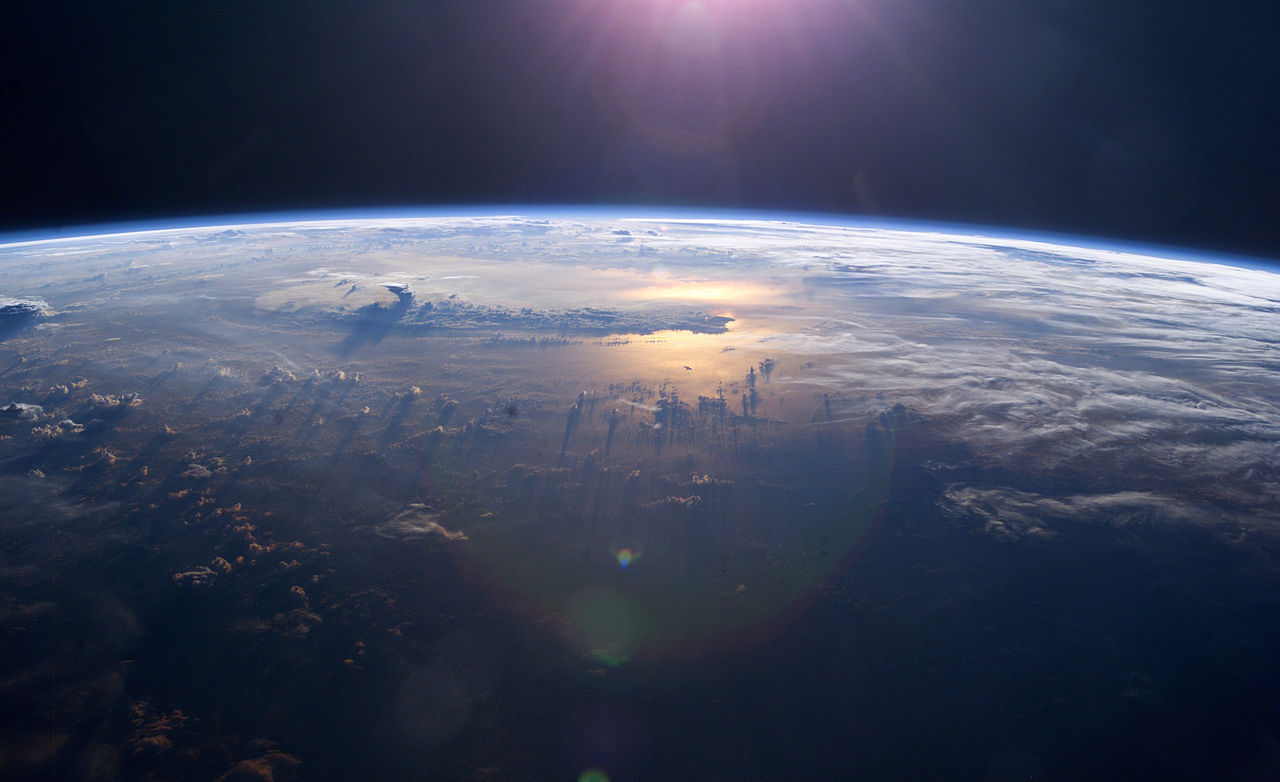
Water is the simple molecule commonly written as H2O, a substance that is transparent, largely flavourless and odourless in its pure form. It covers a large majority of Earth's surface and forms the main constituent of oceans, seas, lakes and rivers. In everyday language the word "water" refers both to the pure chemical substance and to the mixtures and solutions found throughout the environment.
Image gallery
10 Images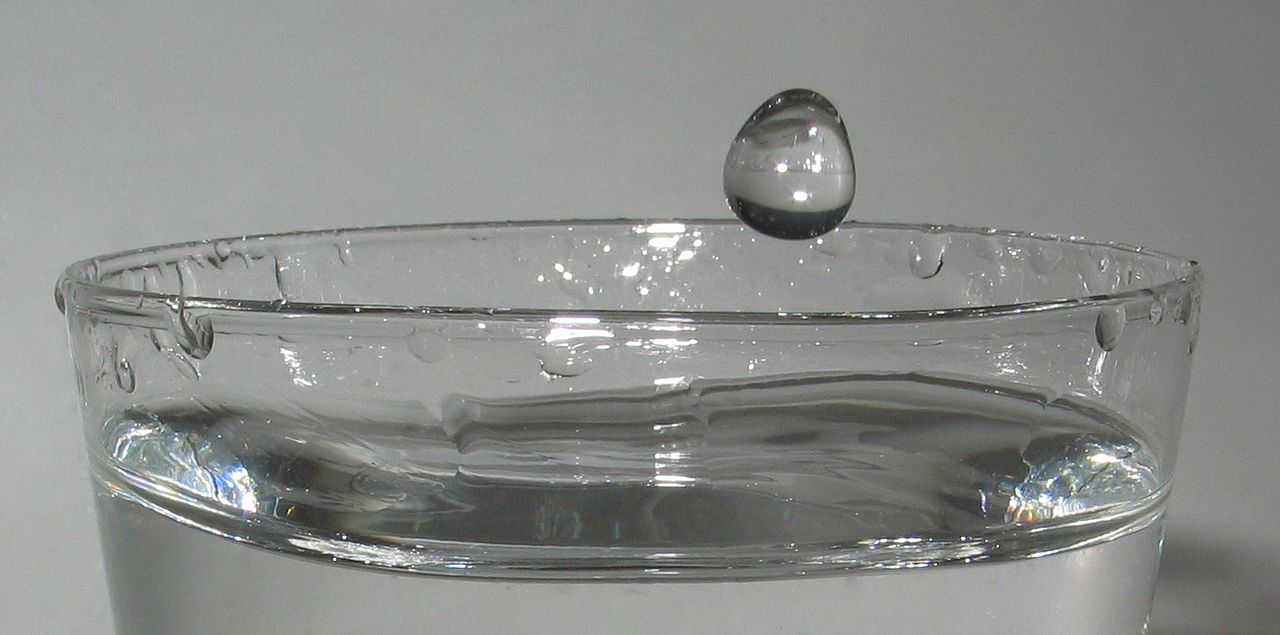





Physical and chemical characteristics
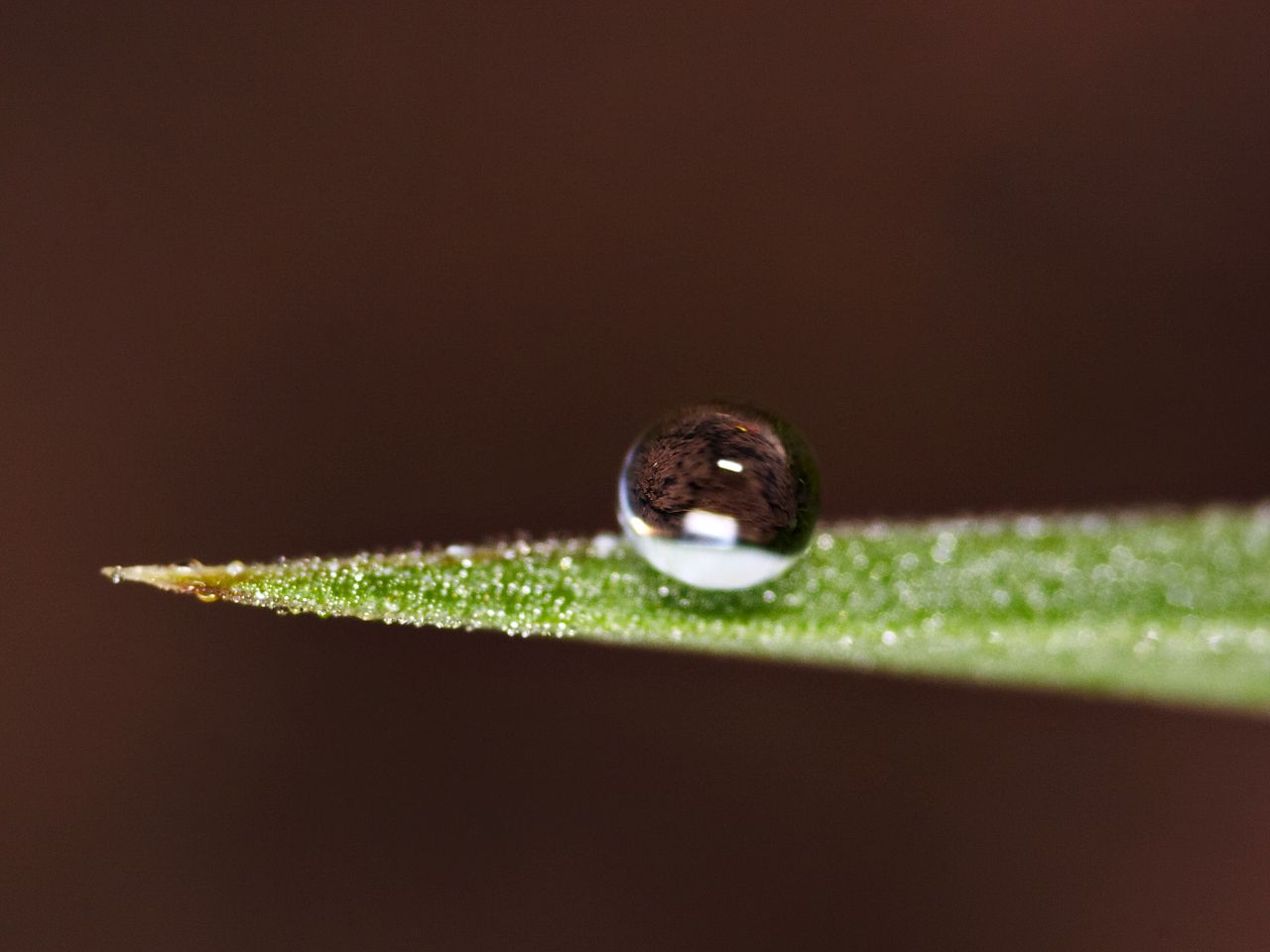
At the molecular level water is a polar molecule that readily forms hydrogen bonds. These interactions give water several distinctive properties: a relatively high specific heat capacity, strong cohesion and surface tension, and excellent ability to dissolve many ionic and polar substances — which is why it is often called the "universal solvent". In small amounts water appears colourless, but large bodies of water can have a faint blue tint due to selective absorption of light. The naturally occurring forms of water range from fresh to saline; ocean water contains dissolved salts that affect density and freezing behaviour.
States and phase changes
Water exists commonly in three states: liquid (water), solid (ice) and gas (vapor or steam). When cooled to about 0 °C (32 °F) pure water freezes into ice; when heated to about 100 °C (212 °F) at standard pressure it boils and becomes steam. Between these extremes water may also form snow, sleet and hail during atmospheric processes. Phase changes involve absorption or release of energy and are central to many natural and engineered systems.
Distribution and the water cycle
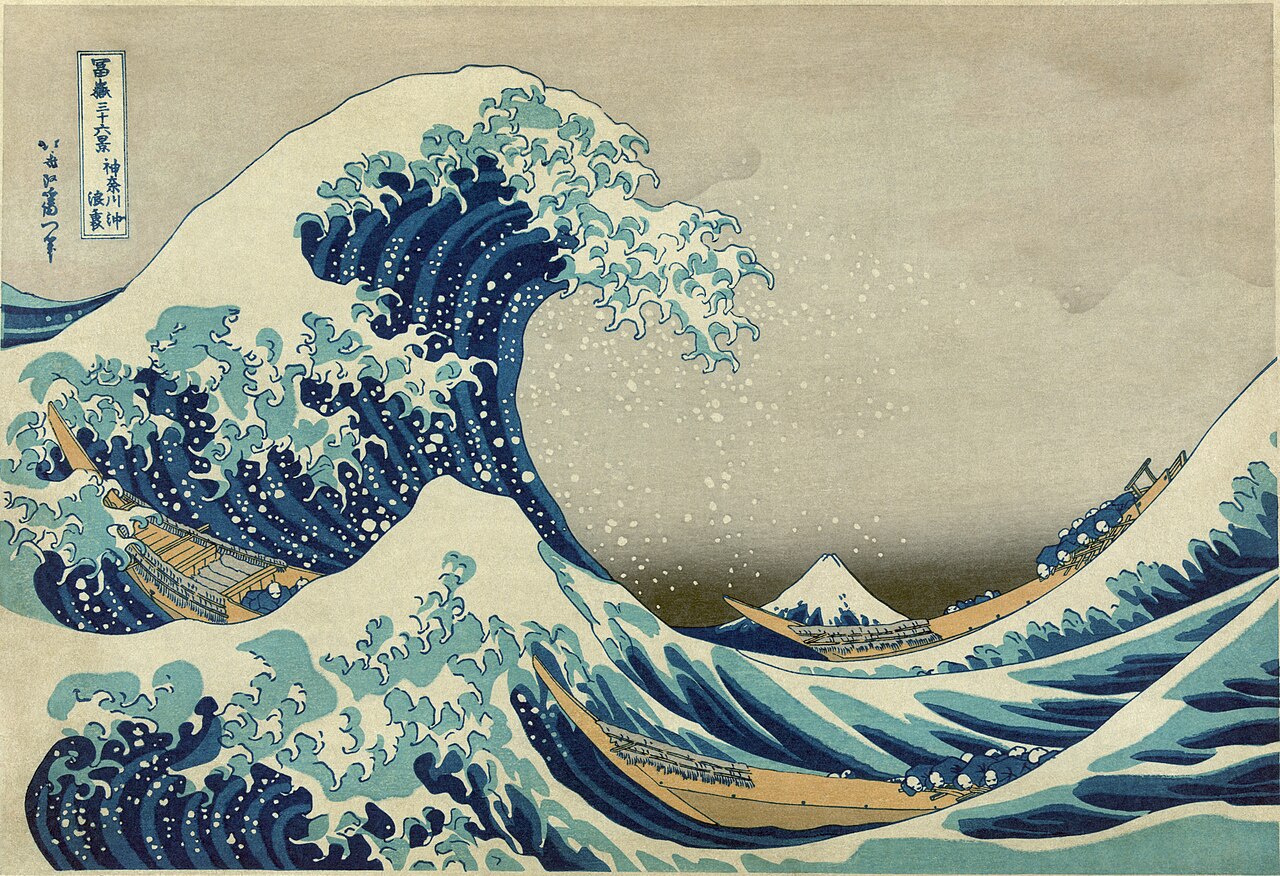
Earth's hydrosphere includes oceans, seas, lakes, rivers, groundwater and atmospheric moisture. Precipitation is water that falls from clouds as rain or frozen forms; it replenishes surface and subsurface reservoirs. Water is constantly moved and transformed by evaporation, condensation, precipitation and runoff in the global water cycle. Major reservoirs and pathways include oceans (oceans), seas (seas), lakes (lakes), rivers (rivers), clouds (clouds) and groundwater.
Importance to life and human uses
Water is vital to all known forms of life. Biological processes such as metabolism, nutrient transport and temperature regulation depend on water's solvent and thermal properties. Humans use water for drinking, agriculture, sanitation, energy production, transportation and industrial manufacturing. Access to safe, potable water is a major public-health concern; treatments remove contaminants and pathogens to make water suitable for consumption and other uses.
Notable distinctions and facts
- Freshwater vs. saltwater: most habitable ecosystems depend on freshwater sources, while oceans are saline and host different biological communities.
- Phase anomalies: ice is less dense than liquid water, so ice floats — an important ecological feature for aquatic life in cold climates.
- Variants: isotopic forms such as heavy water (containing deuterium) have different nuclear and physical properties and are used in specific scientific and industrial applications.
- Terminology: rainfall or rain (rain) is liquid precipitation; frozen precipitation includes snow and hail (frozen). Boiling produces steam or vapor (steam, water vapor).
For further reading about chemical structure and behaviour see resources on molecular bonding (structure), solvent properties (solvent), sensory characteristics (odor, colour) and global distribution (Earth). To explore components of the hydrologic cycle, consult materials about precipitation (precipitation), the sky and atmosphere (sky), and how water moves through ecosystems (water cycle).
Additional topics of interest include human impacts on water quality, methods of purification and conservation, the role of freshwater in agriculture and economy, and the cultural significance of water in societies. See related entries on aquatic habitats (life) and the names of specific water bodies such as oceans and seas for regional context.
frozen ice boiling lakes rivers odourless tasteless H2O chemical substance seas precipitation clouds sky rain steam vapor cycle formula
Questions and answers
Q: What is water?
A: Water (H2O) is a transparent, tasteless, odourless, and almost colourless chemical substance.
Q: How much of Earth's surface does it cover?
A: Water covers over 70% of Earth's surface.
Q: What type of precipitation falls from clouds in the sky?
A: Precipitation that falls from clouds in the sky may be rain (liquid) if it is warm, or frozen if it is cold.
Q: At what temperature does water freeze?
A: If water gets very cold (below 0°C (32°F)), it freezes and becomes ice.
Q: At what temperature does water boil?
A: If water gets very hot (above 100°C (212°F)), it boils and becomes steam or water vapor.
Q: How is water moved around on Earth?
A: Water is moved around in the water cycle.
Q: Why is water essential for life?
A: No known life can live without it; therefore, water is essential for life.
Tags
Related articles
Author
AlegsaOnline.com Water: properties, states, cycle, and role in Earth's systems Leandro Alegsa
URL: https://en.alegsaonline.com/art/106826
Sources
- iun.edu : "naming molecular compounds"
- merriam-webster.com : "Definition of Hydrol"
- webbook.nist.gov : Water
- webbook.nist.gov.html : webbook.nist.gov.html
- chemister.ru : "Properties of substance: water"
- chemwiki.ucdavis.edu : "What is the pKa of Water"
- ui.adsabs.harvard.edu : 2017JChEd..94..690S
- doi.org : 10.1021/acs.jchemed.6b00623
- ui.adsabs.harvard.edu : 1995JPCRD..24.1377R
- doi.org : 10.1063/1.555963
- spaceflightnow.com : Breaking News | Oldest rock shows Earth was a hospitable young planet
- un.org : "United Nations"
- doi.org : 10.1023/A:1007957229865