
Roof: function, types, materials, and maintenance
A roof is the top covering of a building that protects interior spaces from weather. This article explains its functions, common types, materials, history, maintenance, and environmental roles.
Overview
A roof is the uppermost covering of a structure that shields people, possessions, and interior spaces from weather and temperature extremes. It is a fundamental part of any building envelope and serves to keep out rain, prevent accumulation of snow, and reduce direct exposure to the sun. While commonly thought of as one surface, a roof typically comprises multiple layers working together to provide waterproofing, insulation and structural support.
Image gallery
10 Images




Types and basic characteristics
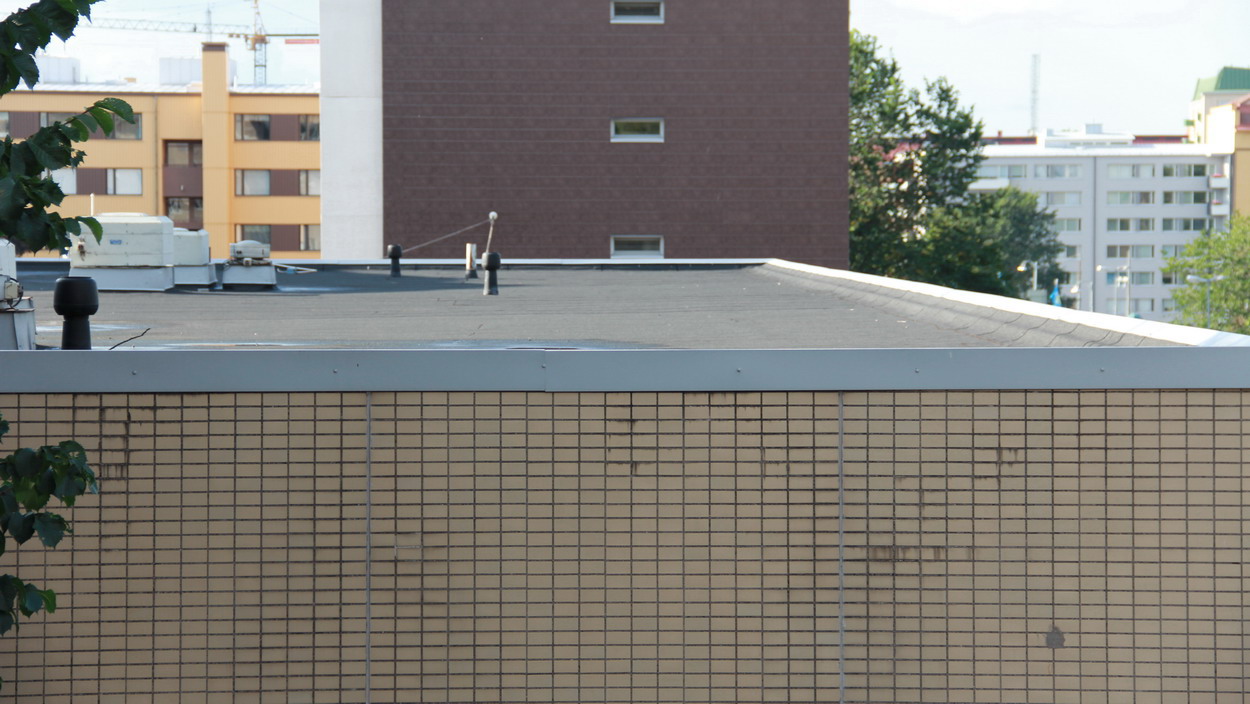
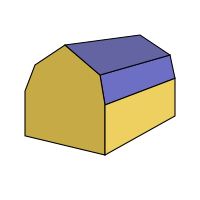
Roofs are commonly divided by slope and construction. A pitched or sloped roof sheds water and snow naturally and is typical on houses and many historic buildings. A flat roof appears level but usually has a slight pitch for drainage and often uses membranes to prevent leaks; see typical modern flat systems at flat roof references. Other forms include gambrel, hip, gable, mansard and butterfly designs, each with different profiles and structural implications.
Materials and components
Common roofing materials include asphalt shingles, clay or concrete tiles, wood shakes, metal panels, and single-ply membranes. Underneath the visible covering are components such as the roof deck (sheathing), underlayment, flashing at joints, and supporting elements like rafters, trusses or joists. Choices of material affect weight, longevity, fire resistance, maintenance needs and cost.
History and development
Roofs have evolved from simple thatch, reed or sod coverings to engineered assemblies made with fired tiles, metals and synthetic membranes. Regional climates and available materials shaped historic styles: for example, steep tiled roofs in wetter climates and broad eaves in tropical regions. Industrial advances introduced mass-produced shingles and waterproofing materials in the 19th and 20th centuries, enabling new roof forms and widespread use.
Uses, maintenance and environmental roles
Beyond weather protection, roofs contribute to thermal comfort and energy performance through insulation and reflective surfaces. They can support solar panels, rainwater harvesting, or vegetation in green-roof systems that reduce runoff and urban heat. Regular inspection and upkeep—clearing debris, repairing flashing, and renewing coverings—extend service life and reduce leaks. Building codes and local practices influence permissible materials and required slopes.
Notable distinctions and practical notes
- Terminology: the plural is "roofs." Terms like pitch and slope are used to describe inclination.
- Safety and access: steep roofs require fall protection and specialized installers.
- Sustainability: cool roofs, reflective coatings, and vegetated systems are increasingly used for energy and stormwater management.
For further practical guidance on roof selection, repair and regional practices consult specialist resources and local codes via building guidance, technical databases such as weatherproofing resources, snow-load considerations at climate references, sun exposure and solar potential at solar planning, and details on flat roof systems at flat roof.
Questions and answers
Q: What is a roof?
A: A roof is the top surface of a building that protects people from the sun and keeps out rain and snow.
Q: What is the plural form of 'roof'?
A: The plural form of 'roof' is 'roofs'.
Q: Why are some roofs sloped or pitched?
A: Some roofs are sloped or pitched so that the rain and snow can easily fall off.
Q: Are all flat roofs completely flat?
A: No, even flat roofs have a little bit of pitch so that water can flow away towards a drain.
Q: What is the function of a roof?
A: The function of a roof is to keep out rain and snow and protect people from the sun.
Q: What happens when a roof is not properly constructed?
A: When a roof is not properly constructed, it can leak and cause damage to the inside of the building.
Q: Can roofs be made from different materials?
A: Yes, roofs can be made from a variety of materials such as shingles, tiles, metal, or thatch.
Related articles
Author
AlegsaOnline.com Roof: function, types, materials, and maintenance Leandro Alegsa
URL: https://en.alegsaonline.com/art/84034
Sources
- merriam-webster.com : "roof"
- phmc.state.pa.us : "Dictionary of Architectural Terms"
- angieslist.com : "4 Common Roof Types: Asphalt Shingles"
- homerenovations.about.com : "Roofing Materials: Asphalt, Wood, and Four Other Popular Options"
- roofingcontractor.com : "Safety Advice: Five Direct Causes of Pitched Roof Falls"