
Shrub: definition, characteristics, uses and distinctions
A shrub (or bush) is a woody, multi-stemmed perennial plant. This article summarizes form, variation, ecology, cultivation, pruning, propagation and how shrubs differ from trees and subshrubs.
Overview
A shrub, often called a bush, is a woody perennial plant usually distinguished by multiple stems arising near the ground and a relatively low, branched habit. Shrubs are a broad category of plants and appear in many families and habitats. They provide structural layers in vegetation between herbaceous plants and trees and are widely used in gardens, hedges and natural restoration projects. For general plant groupings see plant categories.
Image gallery
7 Images




Characteristics and form
Unlike a typical tree, which commonly develops a single dominant trunk that later divides into branches, a shrub characteristically produces several stems from the base or close to the ground. This growth form affects crown shape, branching patterns and pruning responses; for discussion of tree habit see tree descriptions and branching patterns. Shrubs are woody and perennial and may range from ground-hugging species to specimens that reach several metres tall, though many garden shrubs remain under 1–2 m.
Types, small forms and foliage habits
Some species can develop either as shrubs or as small trees according to genetics and growing conditions; others form low, semi-woody mats often called subshrubs. Aromatic low-growing examples include lavender (lavender) and thyme (thyme), both commonly described among subshrubs. Shrubs may be deciduous, dropping leaves seasonally, or evergreen, retaining foliage year-round.
Common examples and uses
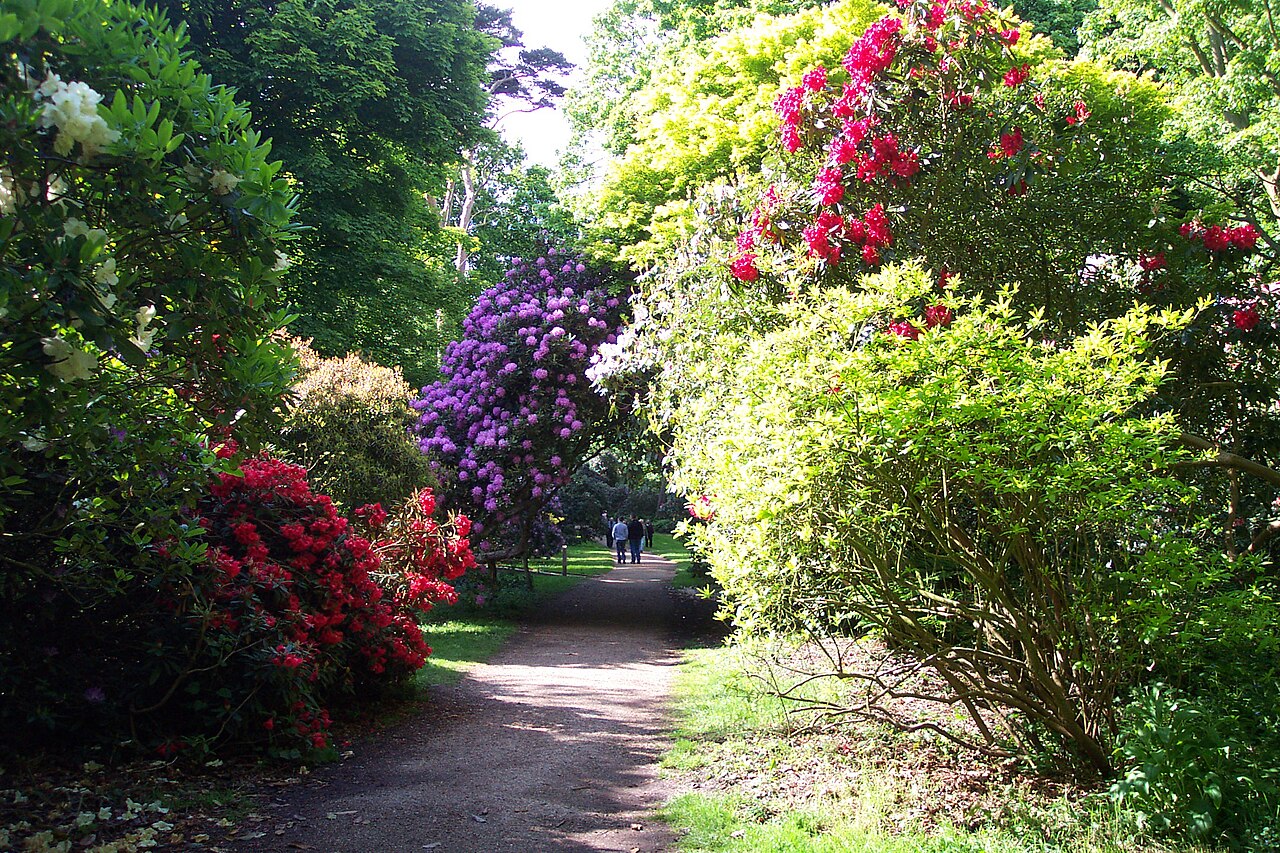
- Ornamental and specimen planting (azaleas, rhododendrons, hydrangeas).
- Hedges, living fences and screens for privacy and windbreaks.
- Wildlife cover, nesting sites and food sources in ecological plantings.
- Erosion control, stabilizing slopes and mixed shrub borders.
A planned area dominated by these plants is frequently called a shrubbery in garden design.
Cultivation, propagation and management
Gardeners select shrubs for hardiness, bloom period, foliage colour and form. Common practices include pruning for shape or renewal, selective thinning to improve light penetration, and propagation by cuttings, division or layering. Management goals differ: hedging aims for density and uniform height, while specimen shrubs are shaped to display flowers or form. For practical guidance consult horticultural references and regional planting advice (plant categories).
Ecological and cultural roles
Shrubs contribute to biodiversity by offering nectar, fruits and shelter for pollinators, birds and small mammals. Historically, hedgerows and shrubberies have acted as boundary markers, sources of fuel and forage, and components of designed landscapes. In restoration ecology shrubs are used to recreate understory layers and to control erosion.
Distinctions and classification
Practical distinctions separate shrubs and trees by stem number and typical height, but many taxa lie between these categories; horticulturists may use terms such as shrub-tree or subshrub for intermediate forms. For more on branching and growth form see resources on branching patterns and tree habit. Regional manuals and plant databases can help choose species suited to climate and site.
Further study of pruning methods, propagation techniques and species selection is available in horticulture guides and botanical texts (plant categories, branching patterns, subshrubs).
Related articles
Author
AlegsaOnline.com Shrub: definition, characteristics, uses and distinctions Leandro Alegsa
URL: https://en.alegsaonline.com/art/90077