
Fortress (military fortification)
A fortress is a heavily fortified structure built to resist attack. This article explains fortress design, historical development, typical defenses, siege tactics, and notable distinctions and examples.
Overview
A fortress is a fortified building purposefully designed to be defended against enemy forces. It is a permanent stronghold intended to deny access to territory, protect garrisons and supplies, and serve as a base for operations. Although the terms overlap, a fortress often emphasizes military utility more than a castle, which may combine residence with fortification.
Image gallery
10 Images



Design and principal features
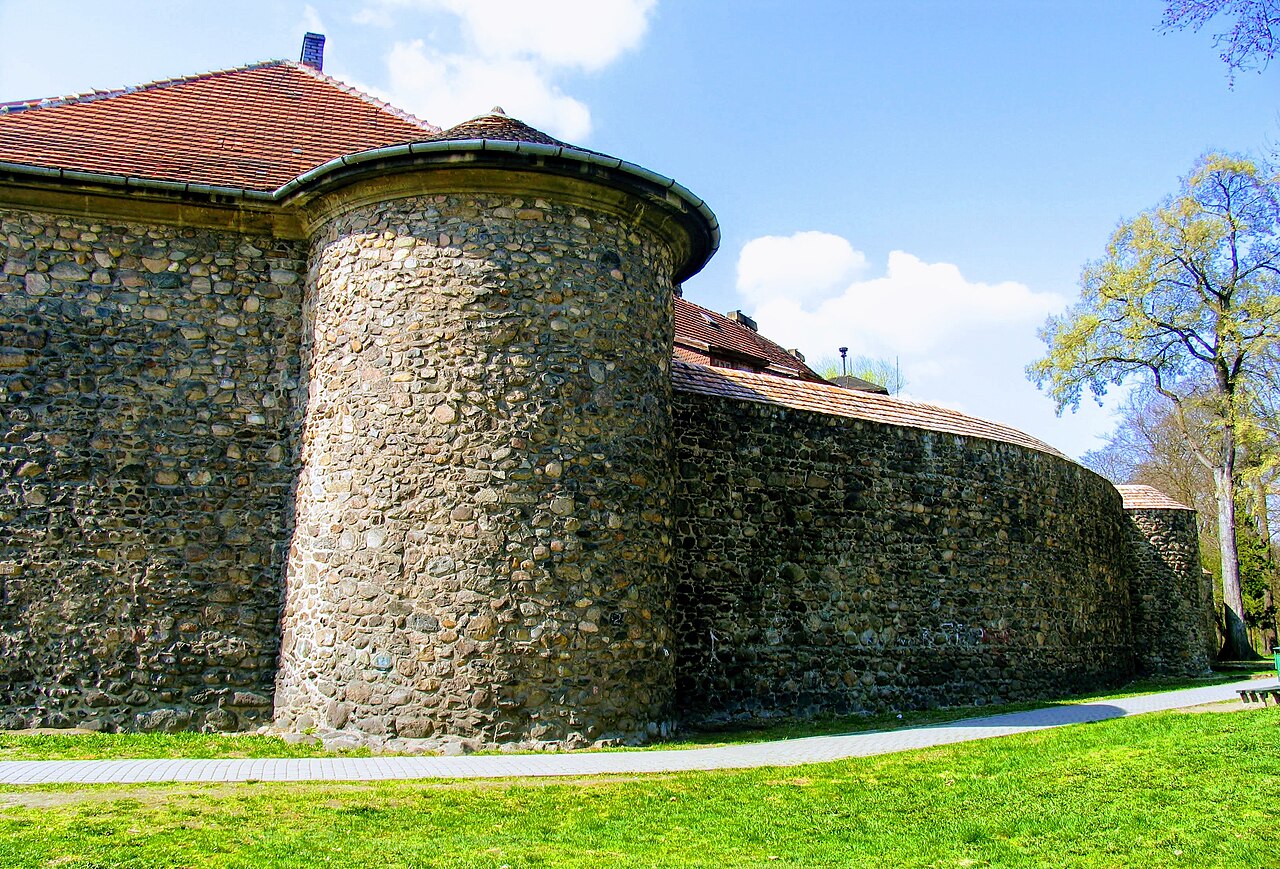
The art and science of fortification shaped fortress architecture. Typical elements include thick stone or earth-filled walls, low profiles and angled surfaces to resist artillery, narrow embrasures and arrow slits or small windows for observation and fire, and interior galleries for troops. Defenders — the soldiers and artillery crews — used covered passages and stores to sustain a defense under bombardment. Dry or wet moats, outworks and hornworks increased layers of protection.
Weapons and evolution
Fortresses changed as weapons evolved. Early forts were built to withstand missiles and siege engines; later, crossbows and the crossbow influenced narrow firing openings. The arrival of gun-powder weapons and the cannon led to lower, thicker walls and angled bastions to deflect shot. Many windows were left without glass to avoid flying shards and to permit ventilation and gun ports. By the 16th–18th centuries, star-shaped bastion forts and trace italienne systems dominated continental defense theory.
Sieges, tactics and daily life
Siege warfare was the most common way to take a fortress. Attackers attempted to breach walls, sap foundations or blockade supplies; defenders responded with counter-battery fire, sorties and the use of gravity and terrain: dropping rocks, and in earlier periods even boiling water or oil against assailants. Prolonged sieges were exhausting, so fortresses included magazines, cisterns and stores. Life inside could be harsh — cramped, damp and dim — yet well-organized garrisons could hold out for months. Successful sieges are notable episodes in military history; they remain a defining characteristic of fortress warfare sieges.
Examples, uses and distinctions
Fortresses range from medieval keeps and citadels to modern coastal and island forts. Famous examples include the Tower of London, which served as a royal stronghold, prison and armory. Modern equivalents emphasize concrete bunkers, coastal batteries and integrated air defenses rather than medieval parapets. Common fortress components include:
- Curtain walls and bastions for mutual support.
- Moats, glacis and angled earthworks to absorb fire.
- Casemates and covered ways for protected movement.
- Magazines, barracks and command quarters to sustain garrisons.
Notable facts and legacy
Fortresses reflect the balance between offense and defense. Each technological advance in artillery prompted new defensive forms; for example, the trace italienne emerged to counter cannon, and later reinforced concrete transformed coastal fortification. While many historic fortresses are preserved as monuments, their design principles continue to inform modern military engineering and the study of strategic geography.
Related articles
Author
AlegsaOnline.com Fortress (military fortification) Leandro Alegsa
URL: https://en.alegsaonline.com/art/35806