
Fortification: Military defensive works, structures, and history
Fortification is the practice and art of designing defensive works—from ancient city walls and castles to bastions, trenches, and modern hardened structures.
Fortification denotes the construction and arrangement of permanent or temporary defensive works intended to protect people, territory or assets during armed conflict. The concept covers both the physical structures—walls, forts, bunkers—and the design principles applied to make them effective. The word comes from Latin roots reflecting strength and making: fortis and facere, and fortifications have been a core component of warfare for millennia. Many installations are commonly called military forts or buildings but the terminology is not strict; some forts are little more than earthworks while other fortified sites are termed castles, strongholds or citadels.
Image gallery
10 Images


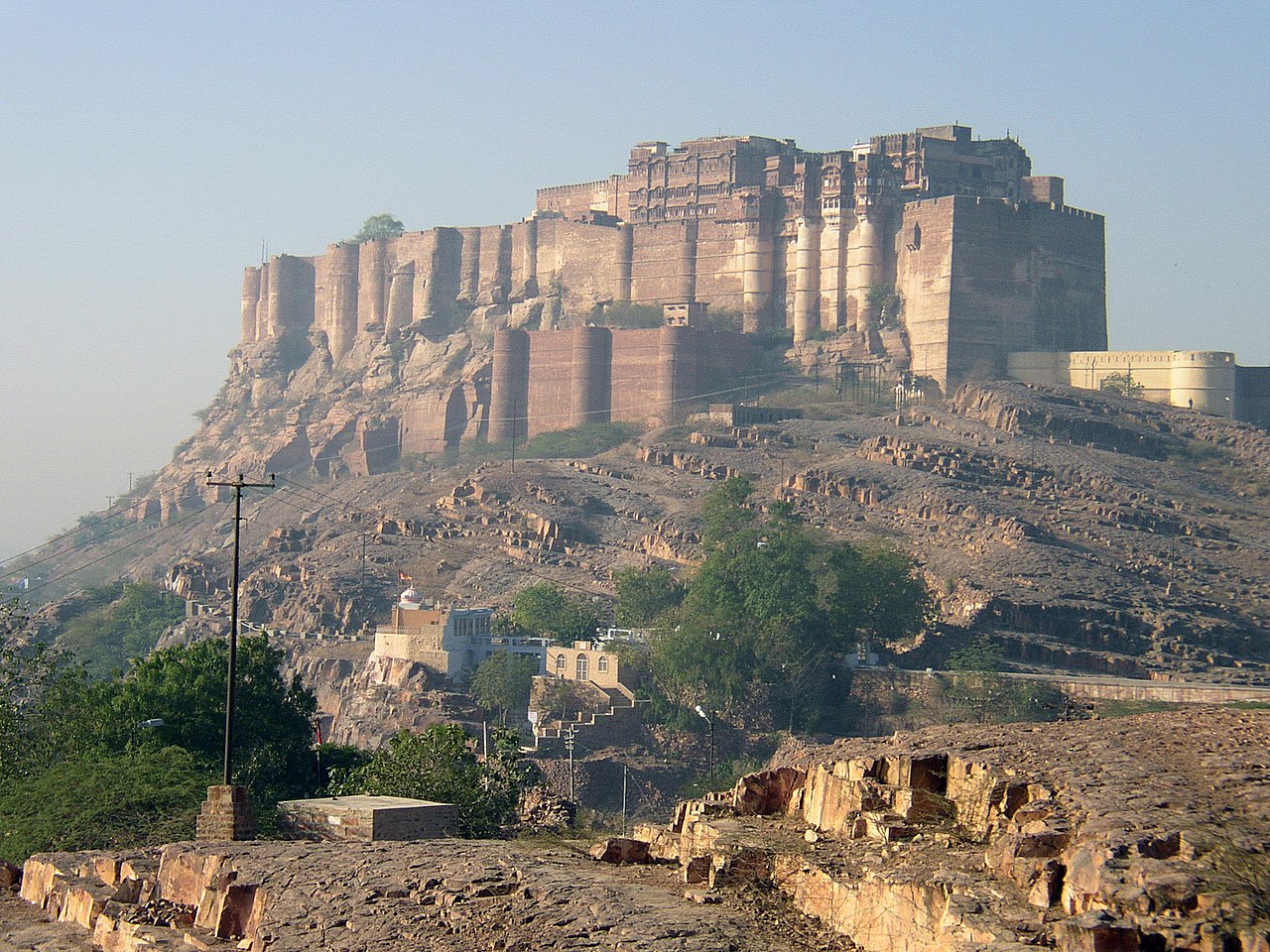
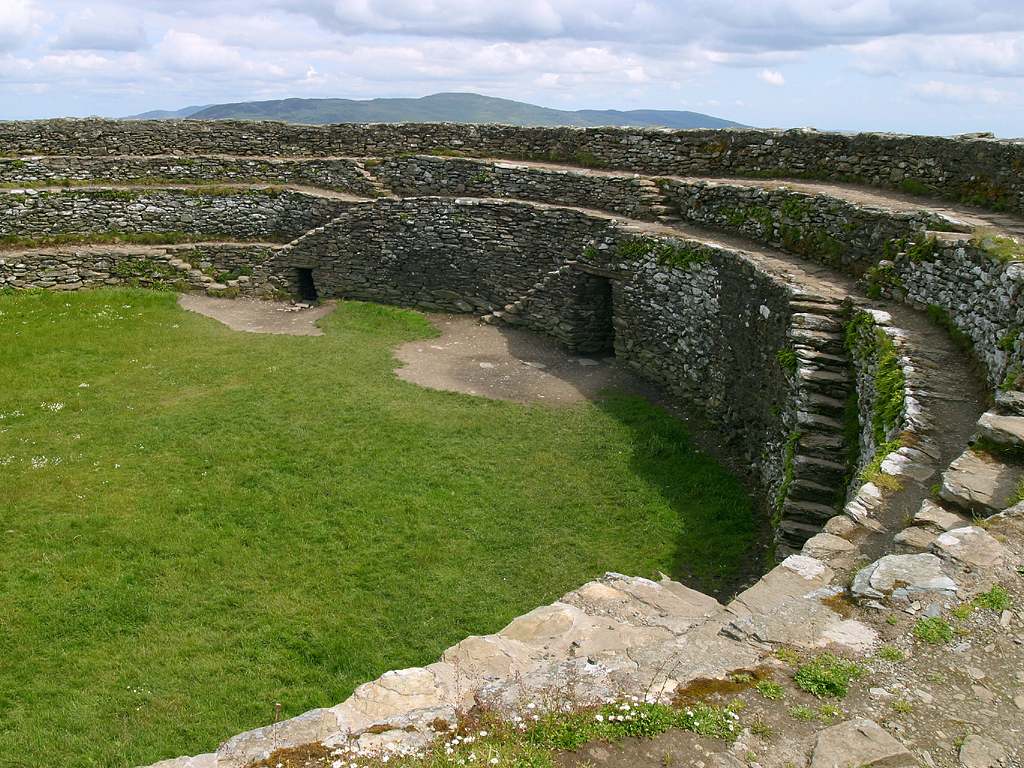


Typical components and types
Fortifications vary with technology and terrain, but several recurring elements appear across eras. Typical parts include a defensive wall or curtain, a raised rampart, an outer ditch or moat, parapets and embrasures for defenders, a central keep or redoubt, and engineered slopes or glacis to expose attackers. Styles range from simple fieldworks and palisades to complex stone castles and later bastioned forts. Modern fortifications add concrete casemates, reinforced shelters and integrated fields of fire.
- Earthworks and trenches: rapid, often temporary defenses used in field operations.
- Castles and keeps: medieval fortified residences combining defense and governance; see castles.
- Bastions and star forts: angular projections designed for cannon-era defense.
- Permanent fortresses and coastal batteries: hardened sites controlling strategic approaches.
Development and historical outline
Defensive works date to the earliest urban settlements: walls and ditches surrounded towns in antiquity and the classical world. The arrival of gunpowder and artillery in Europe rendered high curtain walls vulnerable, leading to the trace italienne and star-shaped bastioned forts of the 16th–18th centuries. Engineers such as Sébastien Le Prestre de Vauban refined geometric layouts and layered defenses. Industrial-era weapons then produced new responses—underground bunkers, reinforced concrete, dispersed positions and anti-tank obstacles. Large 20th-century systems included trench networks in World War I and extended coastal defenses such as the Atlantic Wall, constructed in World War II.
Uses, tactics and examples
Fortifications serve several tactical purposes: deny or delay enemy movement, protect logistic hubs and command centers, anchor defensive lines, and provide platforms for fire. Field fortifications are rapidly built to improve survivability; permanent works aim to control territory over decades. Notable historical examples illustrate evolving responses: ancient city walls that guarded trade centers, medieval keeps that centralized defense, bastioned coastal forts resisting naval attack, and interwar fort lines designed to absorb mechanized assaults.
Distinctions and modern considerations
Not all structures called forts are heavily fortified, and the term fortification also describes the practice of strengthening a position. Modern defensive design integrates surveillance, engineering, mobility and countermeasures rather than relying solely on static walls. Contemporary military engineering addresses protection against aerial attack, precision weapons and electronic warfare while preserving the traditional functions of deterrence, protection and force-multiplication. The topic overlaps with civil engineering, archaeology and military history and should not be confused with unrelated senses of the word such as nutritional fortification.
The study of fortifications spans technical drawing, materials science and tactics. For general introductions and examples of specific systems read about coastal batteries, medieval fortresses and 20th-century works; for practical and historical sources see military engineering references and preserved sites open to the public. For further reading consult specialized overviews and primary sources on fortress design, or visit museums and preserved forts to see construction methods in situ. Additional resources: warfare studies, etymology and language, and regionally focused surveys of defensive architecture available through heritage organizations and academic publications.
Many preserved fortifications have become cultural landmarks and convey both technological change and social history. Whether temporary entrenchments, medieval strongholds or 20th-century casemates, these works illustrate how societies have shaped landscapes to confront military threats and how evolving weapons continuously redefined the art of defense.
Questions and answers
Q: What are fortifications?
A: Fortifications are military constructions and buildings designed for defense during war.
Q: How long have people been constructing defensive works?
A: People have been constructing defensive works for many thousands of years.
Q: From where does the term fortification come?
A: The term fortification comes from the Latin words fortis ("strong") and facere ("to make").
Q: How are military installations known as?
A: Military installations are known as forts, although they are not always fortified.
Q: What may larger forts class as?
A: Larger forts may class as fortresses.
Q: What does the word fortification also mean?
A: The word fortification can mean the practice of improving an area's defense with defensive works.
Q: What was the last great system of fortification to be built?
A: The last great system of fortification to be built was the Atlantic Wall.
Related articles
Author
AlegsaOnline.com Fortification: Military defensive works, structures, and history Leandro Alegsa
URL: https://en.alegsaonline.com/art/35801