
Castle: Medieval Fortified Residences and Their Architecture
Castles are fortified residences built from the early Middle Ages for defense, administration, and status. This article explains their design, evolution, regional varieties, military role, and legacy.
A castle is a fortified residence built to combine defensive strength with domestic and administrative functions. Originating in the early medieval period, castles were erected by rulers, nobles and military orders as bases of control, symbols of authority and strongpoints in a landscape. They ranged from simple wooden enclosures to complex stone complexes, and their form and function changed over centuries in response to technology and politics.
Image gallery
10 Images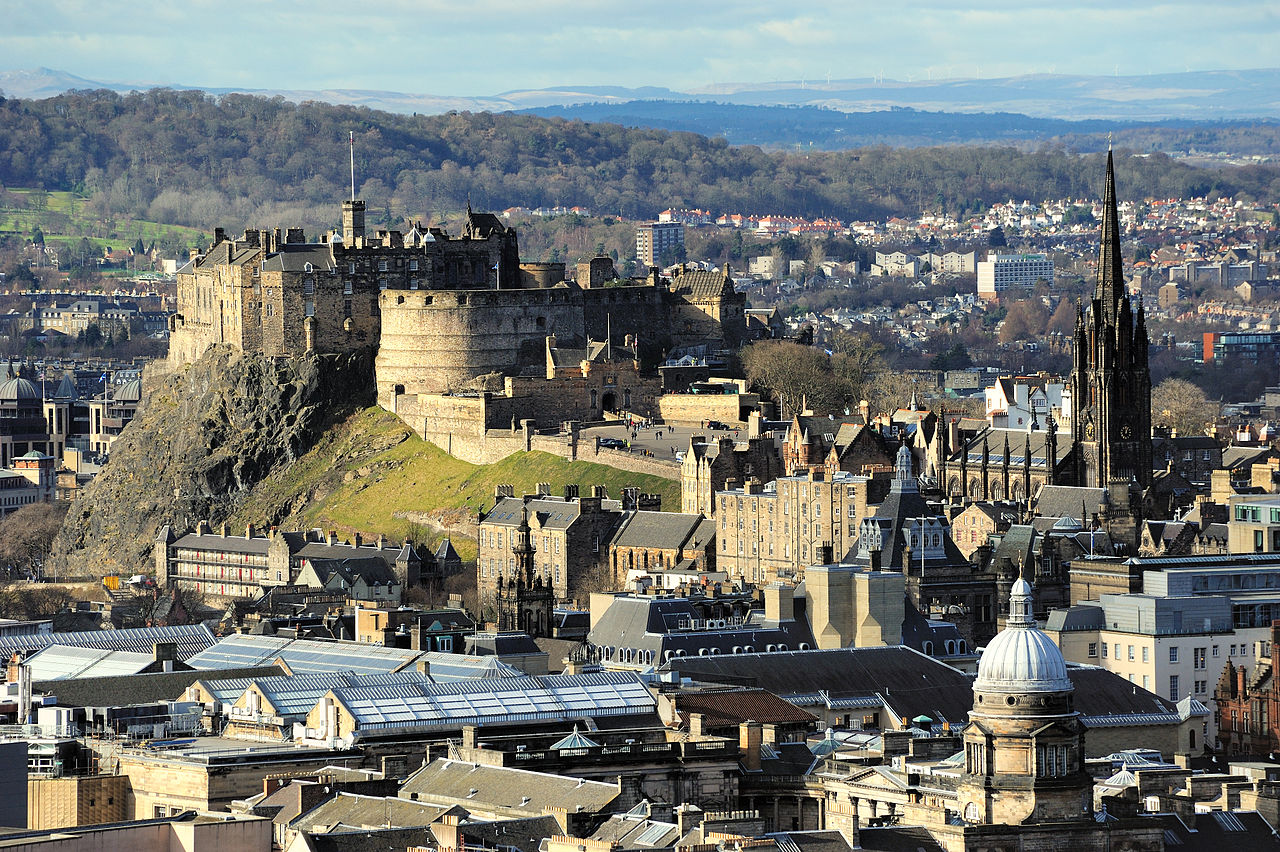


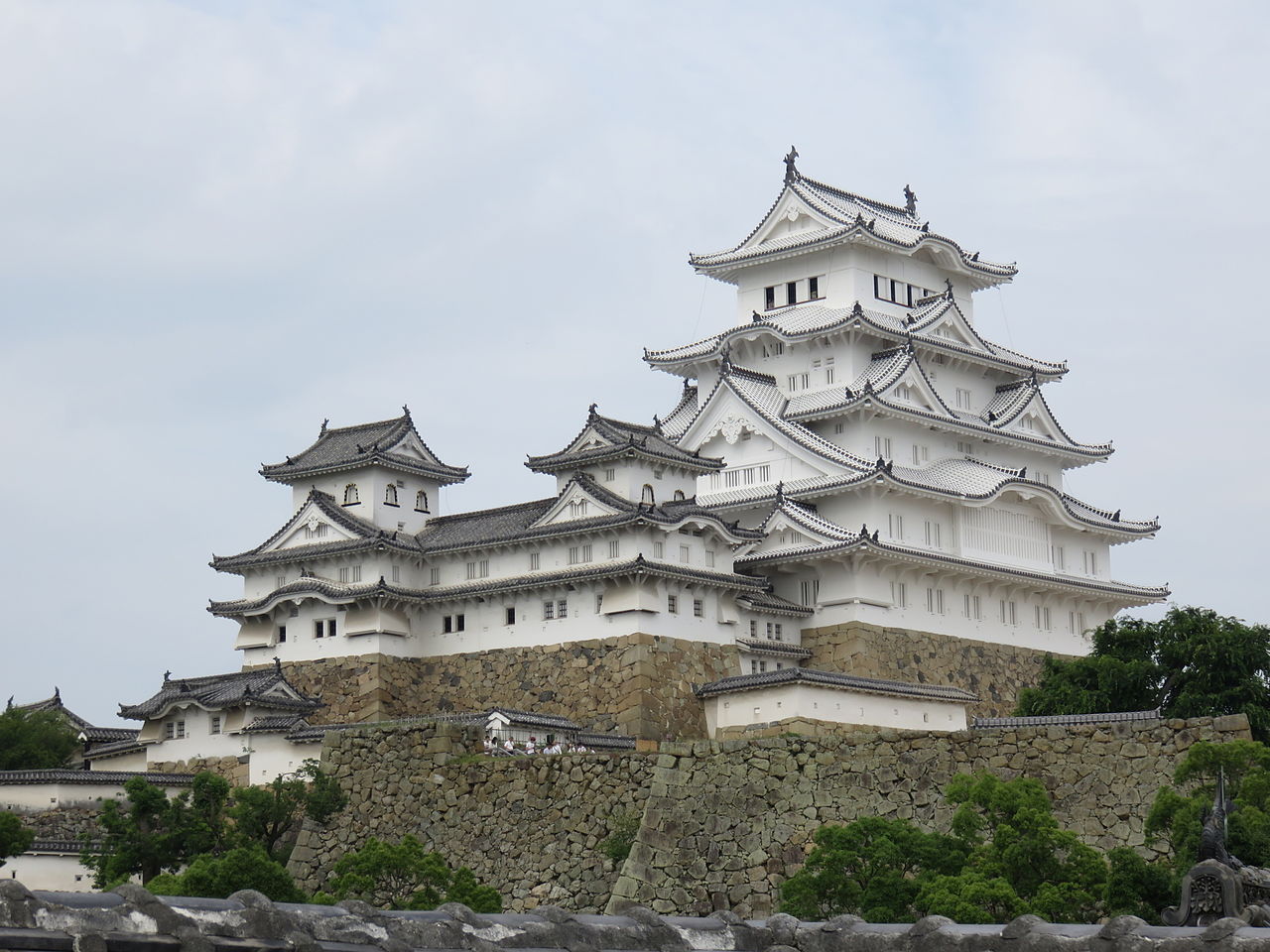



Materials and basic elements
Castles were constructed from a few primary materials depending on local resources: timber, stone and brick. Early timber structures could be erected quickly but were vulnerable to fire and decay; later, stone and fired brick offered far greater durability and resistance, leading to long-lived citadels (stone, wood or brick). Common components include a keep or donjon (a strong central tower), curtain walls, gatehouses, towers for flanking fire, battlements and arrow slits. Many castles also incorporated moats, drawn bridges and bailey courts that accommodated household and garrison needs.
Historical development and regional types
Castle design evolved from simple motte-and-bailey forms to massive masonry fortresses and concentric systems. In Western Europe large stone keeps and concentric castles became common because they better resisted siege engines and prolonged attack. Thousands of fortifications were raised across Europe, the Middle East and Japan, each adapting to local climate, materials and military pressures. In regions such as England and Wales the arrival of foreign rulers—most notably the Normans under Duke William in 1066—accelerated castle building as instruments of conquest and administration.
Military role and methods of attack
The defensive advantages of a castle allowed relatively small garrisons to hold territory, protect supply routes and project authority. Thick walls, elevated positions and overlapping fields of fire made direct assaults costly. Attackers typically chose one of two broad approaches: a direct storming assault or a prolonged siege. Storms could succeed in a single decisive action but risked heavy attacker casualties, while sieges sought to starve or batter defenders into submission and could last months or years. The arrival of gunpowder artillery in the late medieval and early modern periods gradually reduced the effectiveness of traditional high-walled designs.
Uses beyond warfare
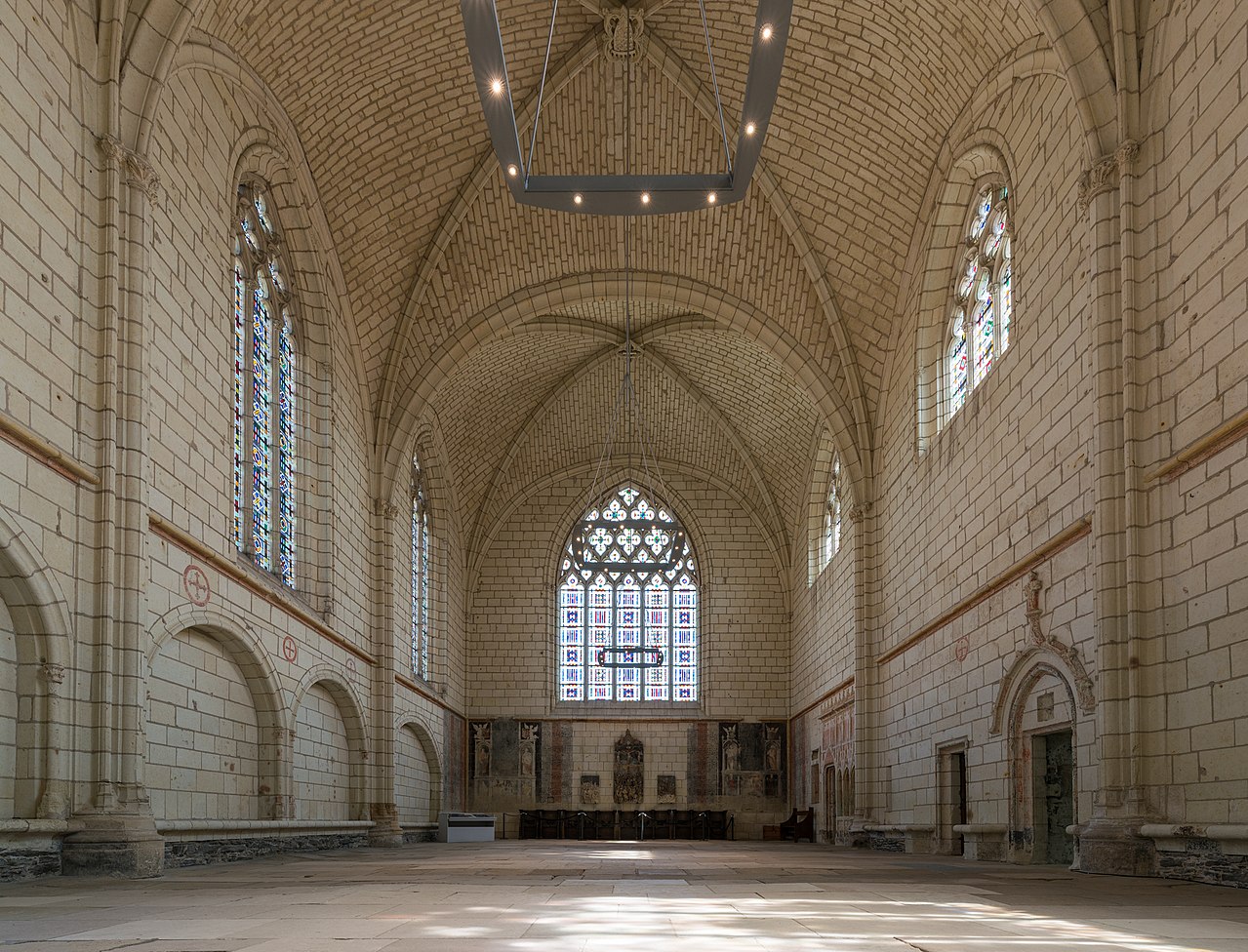
Beyond defense, castles functioned as residences for lords, administrative centers for collecting taxes and dispensing justice, and storage sites for supplies. They served as prisons, royal treasuries and hubs of local economic activity. Architecturally impressive castles also acted as statements of prestige and power, designed to awe subjects and rivals. Over time many castles were remodeled for comfort or converted into palatial homes as military needs shifted.
Legacy and preservation
Many medieval castles fell into ruin from neglect or deliberate slighting, while others were adapted for later uses and survive in good condition. Famous surviving examples demonstrate the variety of forms—from coastal fortresses and hilltop keeps to sprawling concentric layouts and Japanese tenshu towers. Today castles are valued as historical monuments, archaeological sites and tourist attractions; conservation and adaptive reuse help communities preserve these landmarks while interpreting their complex histories for the public.
- Key features: keep, curtain wall, gatehouse, towers, moat, bailey.
- Major functions: defense, residence, administration, deterrence.
- Typical threats: assault, mining, artillery, starvation during siege.
For further reading on regional variations and prominent examples, consult specialist works and heritage sites that catalogue surviving castles and their changing roles across centuries.
Questions and answers
Q: What were castles used for?
A: Castles were defensive homes for powerful people. They provided a base for the lord of the castle to control the surrounding area and govern their land.
Q: What materials were castles made from?
A: Castles could be made from wood, stone, or brick.
Q: When did castles first appear in England and Wales?
A: Castles first appeared in England and Wales when they were used by the invading Normans led by Duke William in 1066.
Q: Why were castles designed to be imposing?
A: Castles were designed to be imposing so that their massive defenses would deter attackers and show the owner's strength. A few troops in a castle could defend themselves against a much larger army.
Q: How did attackers try to take over a castle?
A: The most common method for taking a castle was either besieging it or storming it. However, both methods sometimes failed.
Q: How long had some castles been used for?
A: Some castles had been used for hundreds of years.
Related articles
Author
AlegsaOnline.com Castle: Medieval Fortified Residences and Their Architecture Leandro Alegsa
URL: https://en.alegsaonline.com/art/17523