
Weapon: Definition, types, history, and societal impact
An overview of weapons: definitions, main categories, historical development, common uses, and legal and ethical considerations shaping their use and regulation.
Overview: A weapon is any tool, instrument, or system intended to inflict harm, incapacitate, or deter an opponent. Weapons range from simple objects repurposed to attack — a thrown stone or sharpened stick — to highly engineered systems such as firearms, missiles, and electronic capabilities. Both humans and other animals use means of attack; in animals these are usually body parts (teeth, claws, tusks), while humans typically create detached implements and devices aimed at particular tasks. For an example of the simplest early form, consider the first rock used as a thrown projectile.
Image gallery
10 Images
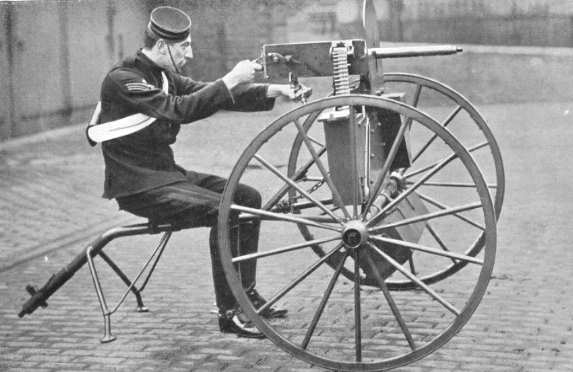
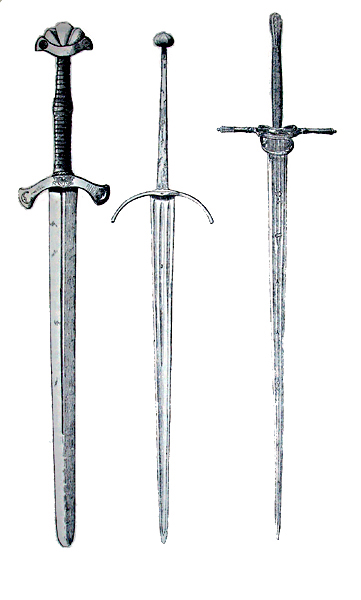
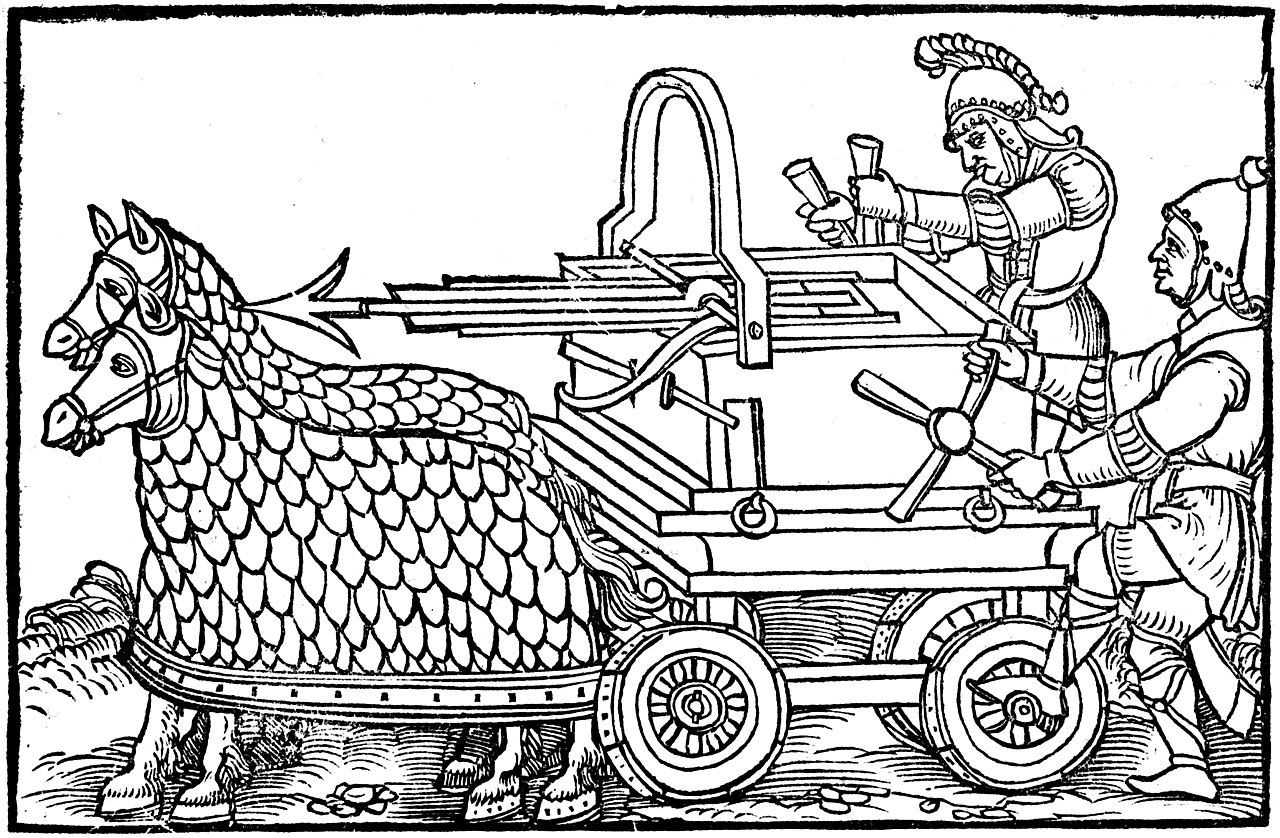


Types and characteristics
Weapons are often grouped by how they act and how they are employed. Common categories include:
- Melee weapons: designed for close contact, such as blades, clubs, and edged tools.
- Ranged weapons: projectiles launched or propelled toward a target, including bows, firearms, and artillery.
- Explosive and propulsion systems: devices that release energy rapidly to cause damage or launch payloads.
- Chemical, biological and radiological agents: materials that cause injury through toxic, infectious, or radioactive effects.
- Strategic systems: large-scale technologies such as missiles and nuclear devices that affect broader areas.
- Non-physical and emerging categories: cyber operations and electronic attacks are increasingly discussed as forms of weaponized capability.
History and development
Human weaponry evolved alongside technology and social organization. Early people used readily available materials — stones, clubs, spears and simple traps — to hunt and defend. The development of metallurgy produced edged and durable metal tools, followed by mechanical innovations such as the bow and crossbow. The introduction of gunpowder and firearms transformed warfare and hunting, and the modern era brought explosive ordnance, aircraft, armored vehicles, guided missiles and weapons of mass destruction. Each innovation altered tactics, logistics and the scale of conflict.
Uses and social roles
Weapons serve multiple roles beyond killing: they are used for hunting and food procurement, law enforcement and riot control, personal and collective defense, sport and ceremonial purposes. They can deter aggression through the threat of force and shape political relationships between groups and states. The same technologies often have dual uses: a propulsion system may launch both a satellite and a warhead, and knowledge in biology or chemistry can be applied to medicine or to harmful agents.
Legal, ethical and practical considerations
Because weapons can cause large-scale suffering, they are subject to laws, military codes and public debate. Domestic legislation regulates ownership and use, while international agreements and norms limit or prohibit particular categories of weapons and their deployment. Contemporary discussions also focus on ethical questions around autonomous systems, proportionality in conflict, and the humanitarian effects of certain classes of arms. Issues of regulation, control and unintended consequences remain central to policymaking.
Notable distinctions and facts
- Many animals possess built-in weapons such as claws or teeth; in contrast, humans commonly rely on detachable tools and engineered devices.
- Some weapons are designed to attack or injure living targets specifically, while others aim to disable equipment or infrastructure.
- Historical continuity: simple implements used by early humans are the direct antecedents of complex modern systems — for example, the spear evolved into ranged and projectile weapons.
- Regulation and tradition vary widely: many cultures have ritual or sporting uses for weapons and distinct social rules about possession and display; yet legal regimes frequently restrict access to reduce harm.
- Interactions between humans and other species underscore different strategies: wild creatures use anatomical features like tusks or spines, and humans have long modified the environment and tools to extend their reach against animals or other people.
Understanding weapons involves technical, historical and ethical dimensions. Discussions about them touch on technology, law, military strategy, public safety and cultural values, and they remain a central subject in studies of conflict and security.
Questions and answers
Q: What is a weapon?
A: A weapon is an object that can be used to attack or injure a person or animal.
Q: How long have people been using weapons?
A: People have been using weapons since very ancient times.
Q: Do other animals use weapons?
A: Yes, other animals use weapons but in most cases, they are attached to the animal (teeth, claws, tusks, etc.).
Q: How are weapons different for humans compared to animals?
A: In man's case, weapons are detached and constantly selected for the purpose at hand.
Q: Has man stopped developing weapons?
A: No, man has been constantly developing newer and better weapons ever since he picked up the first rock.
Q: What was the first weapon used by humans?
A: The first weapon used by humans was a rock.
Q: Why do humans develop new weapons?
A: Humans develop new weapons to improve their chances of survival and to defend themselves.
Related articles
Author
AlegsaOnline.com Weapon: Definition, types, history, and societal impact Leandro Alegsa
URL: https://en.alegsaonline.com/art/107030
Sources
- newscientist.com : "Timeline: Weapons technology"