
Rock (geology) — types, formation, and significance
An overview of rocks: naturally occurring solid aggregates of minerals, their major types (igneous, sedimentary, metamorphic), formation processes, textures, study, and practical importance.
Overview
A rock is a naturally occurring solid aggregate of one or more minerals or mineraloid substances. Rocks form the rigid outer layer of Earth and other terrestrial planets and constitute the principal portion of the lithosphere and the planetary crust. They range from microscopic grains to continental-scale bodies that shape landscapes and store records of Earth history.
Image gallery
10 Images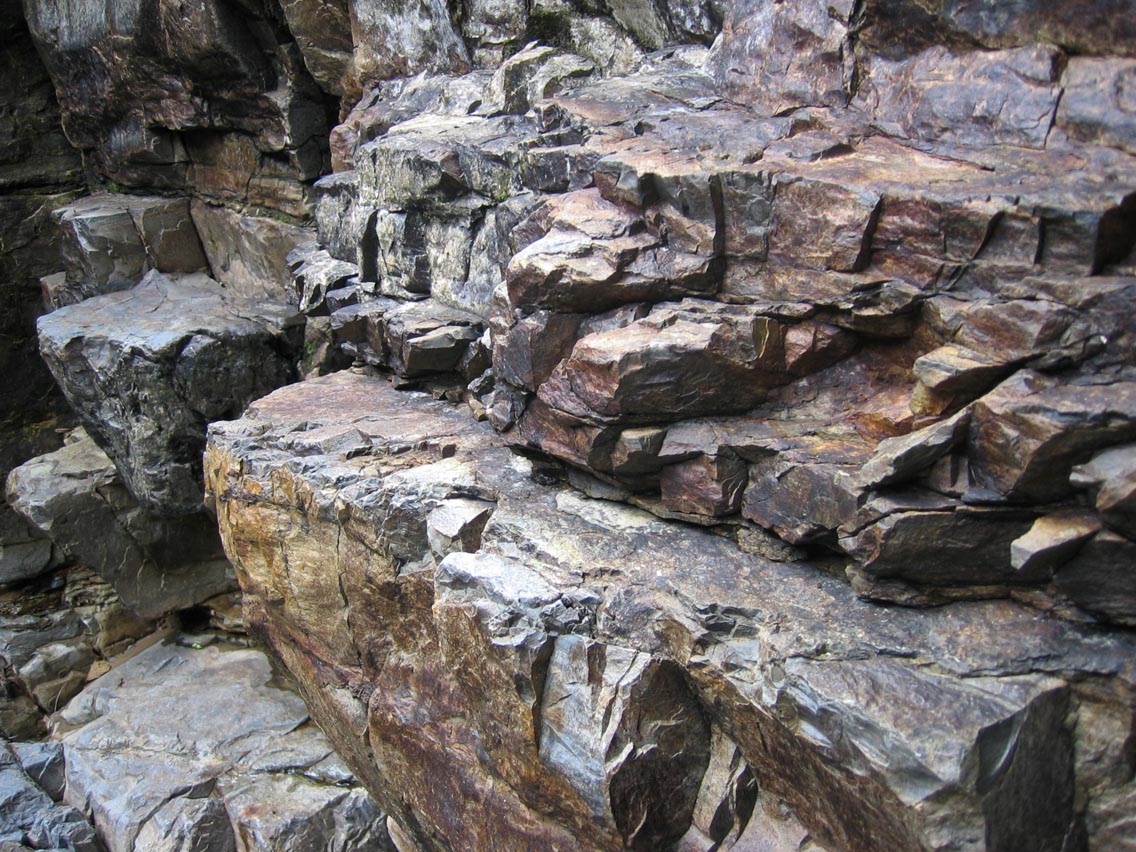
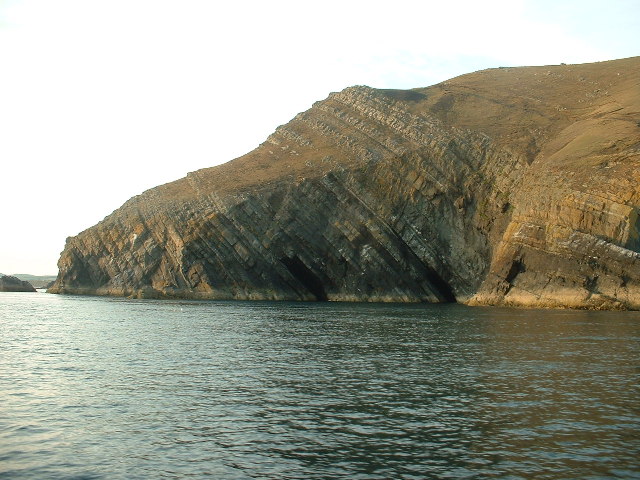


Characteristics and components
Most rocks consist of interlocking or cemented mineral grains; some include glass, organic material, or amorphous substances. Key descriptive attributes are composition (which minerals are present), texture (grain size, shape, and arrangement), and structure (layering, foliation, bedding). Geologists use field observation, hand samples, thin sections, and instrumental analysis in petrology to interpret these characteristics.
Major rock types
Rocks are commonly grouped by origin into three broad classes:
- Igneous — formed by cooling and crystallization of molten rock (magma or lava). Coarse-grained plutonic rocks like granite cool slowly underground, while fine-grained volcanic rocks like basalt cool rapidly at the surface.
- Sedimentary — produced by accumulation and lithification of sediments, clastic fragments, or by chemical and biochemical precipitation. Sedimentary rocks such as sandstone, shale, and limestone often preserve fossils and layered records of past environments.
- Metamorphic — derived from pre-existing rocks changed by heat, pressure, and chemically active fluids. Metamorphism alters mineralogy and texture, producing rocks such as slate, schist, gneiss, and marble.
Rock cycle and formation environments
The rock cycle describes transformations among igneous, sedimentary, and metamorphic rocks through processes like melting, erosion, deposition, burial, and metamorphism. Igneous activity occurs in volcanic and plutonic settings; sediments accumulate in rivers, lakes, deltas, and marine basins; metamorphism takes place deep in the crust or at convergent plate boundaries where temperature and pressure conditions change.
Textures, structures, and identification
Texture terms (aphanitic, phaneritic, porphyritic, clastic, foliated) help identify formation history. Structures such as bedding, cross-bedding, joints, and foliation record depositional and deformational processes. Mineralogical analysis relies on principles of mineralogy and geochemistry to determine provenance, alteration, and age relationships.
Uses, distribution, and environmental roles
Rocks supply construction materials, dimension stone, and mineral resources (ores, industrial minerals). They influence soil formation and groundwater storage and are integral to landscapes beneath soil (soil), surface water, and ice. Large rock masses underlie oceans and polar ice sheets and help control topography and erosion in polar regions.
Study and significance
Petrology and allied disciplines study rock origin, composition, and evolution. Rocks preserve fossils and chemical signatures used to reconstruct past climates, tectonic history, and planetary processes. Practical knowledge of rock properties is essential for engineering geology, resource management, and hazard assessment.
Distinctions and summary
Unlike minerals, which are homogeneous and typically crystalline with a defined composition, rocks are composite materials that can include multiple minerals and non-crystalline constituents. Recognising rock types and their histories is central to understanding Earth systems, natural resources, and the evolution of the solid Earth.
Questions and answers
Q: What is a rock?
A: A rock is a naturally occurring solid made up of collections of mineral grains held together in a firm, solid mass.
Q: What is the lithosphere?
A: The lithosphere is the Earth's outer solid layer made of rock.
Q: What is the Earth's crust made of?
A: The Earth's crust is made of rock.
Q: What are rocks made of?
A: Rocks are made of minerals, which are crystalline, or other mineral-like substances.
Q: What makes different kinds of rock?
A: The different minerals in the rocks make different kinds of rock.
Q: What is the scientific study of rocks called?
A: The scientific study of rocks is called petrology.
Q: Where can rock be found?
A: Rock can be found beneath the oceans, lakes, and rivers of the earth, under the polar icecaps, and often covered by soil or water.
Related articles
Author
AlegsaOnline.com Rock (geology) — types, formation, and significance Leandro Alegsa
URL: https://en.alegsaonline.com/art/83522
Sources
- eeescience.utoledo.edu : Sedimentary rocks