
Frank Lloyd Wright–Prairie School of Architecture Historic District
Residential historic district in Oak Park, Illinois, notable for Prairie School architecture and more than 80 buildings designed by Frank Lloyd Wright; recognized locally and on the U.S. National Register.
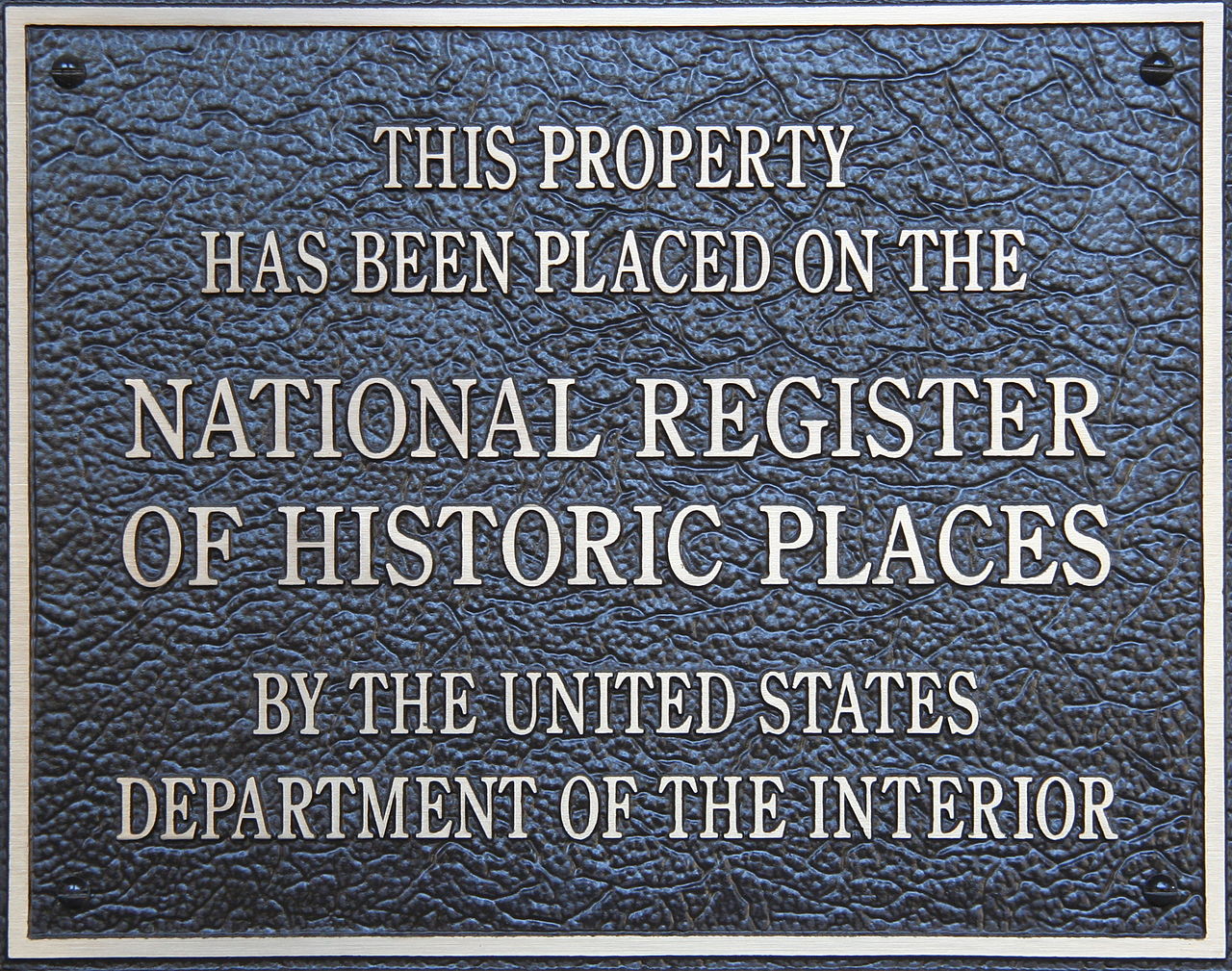
The Frank Lloyd Wright–Prairie School of Architecture Historic District is a residential area in the village of Oak Park, Illinois, distinguished by a concentration of early 20th‑century houses and civic buildings associated with the Prairie School movement. The area is recognized at both the federal level (listed on the U.S. National Register of Historic Places) and by local ordinance as a protected historic district. The two designations have different boundaries and lists of contributing properties, but together they acknowledge the neighborhood's architectural and cultural importance.
Image gallery
4 Images

Architectural character
Buildings in the district display hallmark Prairie School features: strong horizontal lines, low‑pitched or hipped roofs with broad eaves, banded windows, open interior planning, and an emphasis on harmony with the landscape. Materials are often natural—wood, brick, and stucco—and ornament tends toward integrated, geometric detail rather than applied decoration. Within the district are more than eighty buildings attributed to Frank Lloyd Wright, including houses produced during his most experimental period.
History and development
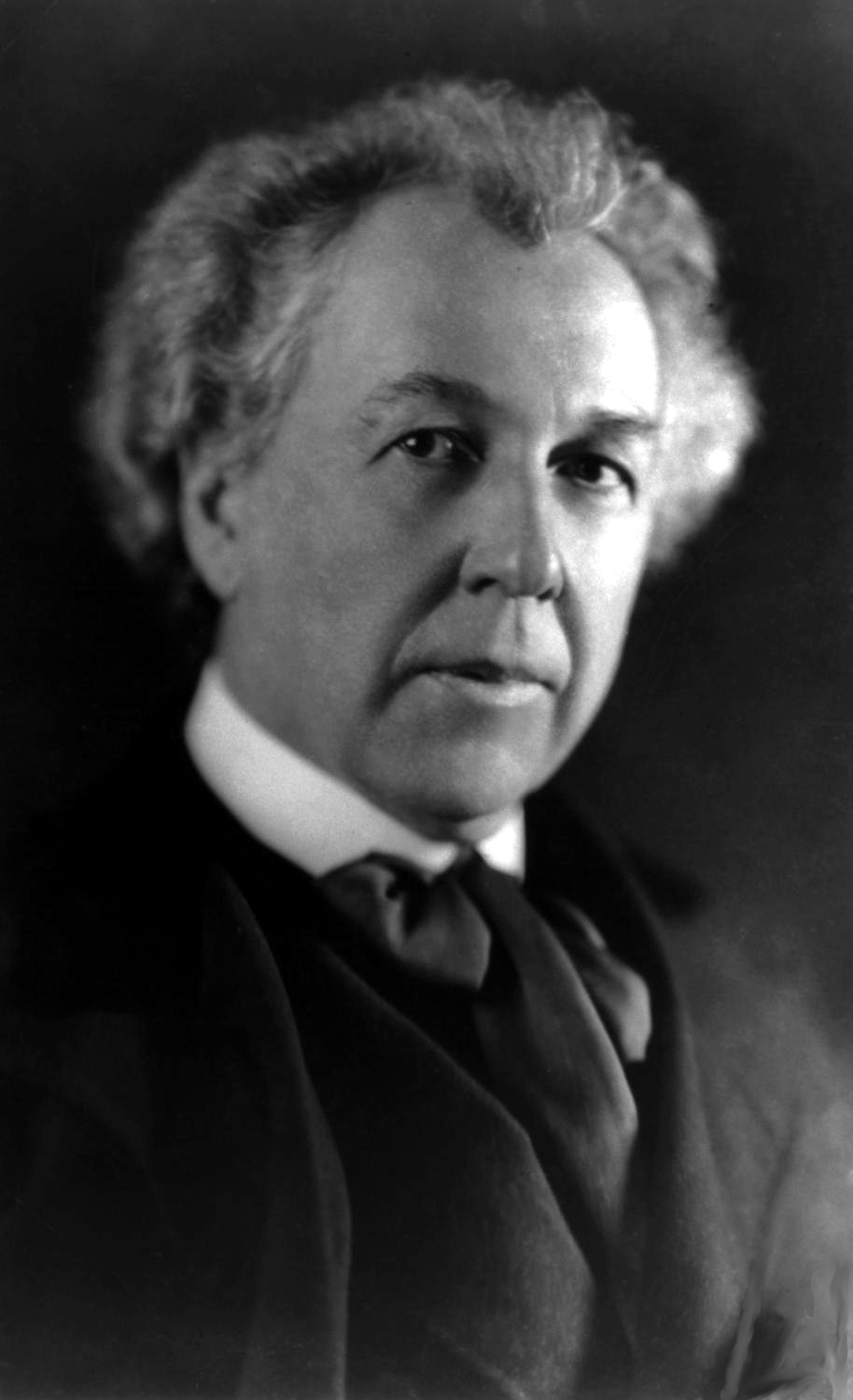
The district grew during the late 19th and early 20th centuries as Oak Park developed into a middle‑class suburb of Chicago. Frank Lloyd Wright lived and worked in Oak Park for part of his early career and maintained a home and studio in the village; his presence attracted clients and younger architects who adopted Prairie School ideas. The result was a dense pocket of architect‑designed residences, grouped along streets that retain much of their original layout and streetscape.
Significance and use today
Today the district is important for scholarship, preservation, and cultural tourism. It serves as a reference for the study of American residential design and the Prairie School's influence on modern architecture. Many properties remain private homes, while a few are open to the public for tours, educational programs, and special events. Local preservation guidelines and National Register recognition help protect the character of the neighborhood.
Notable properties and facts
- Frank Lloyd Wright Home and Studio – Wright's former residence and workplace is a focal point of the area's history.
- Unity Temple – A renowned early modern religious building by Wright is nearby and often associated with the district's reputation.
- Federal and local historic district boundaries differ: each designation uses its own criteria for which structures contribute to historic status.
Visitors and scholars interested in American architecture often consult maps and guided walks to explore the district; preservation organizations and the village provide resources for those wishing to learn more about the buildings, their architects, and the continuing stewardship of this nationally significant collection of Prairie School design.
Related articles
Author
AlegsaOnline.com Frank Lloyd Wright–Prairie School of Architecture Historic District Leandro Alegsa
URL: https://en.alegsaonline.com/art/36175
Sources
- gis.hpa.state.il.us : Mrs. Thomas H. Gale House