
Stone: natural rock, types, uses, and cultural significance
An overview of stone as a natural material: definitions, types, formation, historical use, common applications, physical properties, and distinctions from manufactured materials.
Stone is a naturally occurring piece of rock or a mass of consolidated mineral material. The term is used both for individual fragments found on the ground and for rock used as a construction or decorative material. In everyday speech "stone" can mean a small rock, a building block, or a worked product such as a carved slab. For basic definitions and further reading see rock fragment and a mineral overview at mineral composition.
Image gallery
10 Images



Characteristics and major types
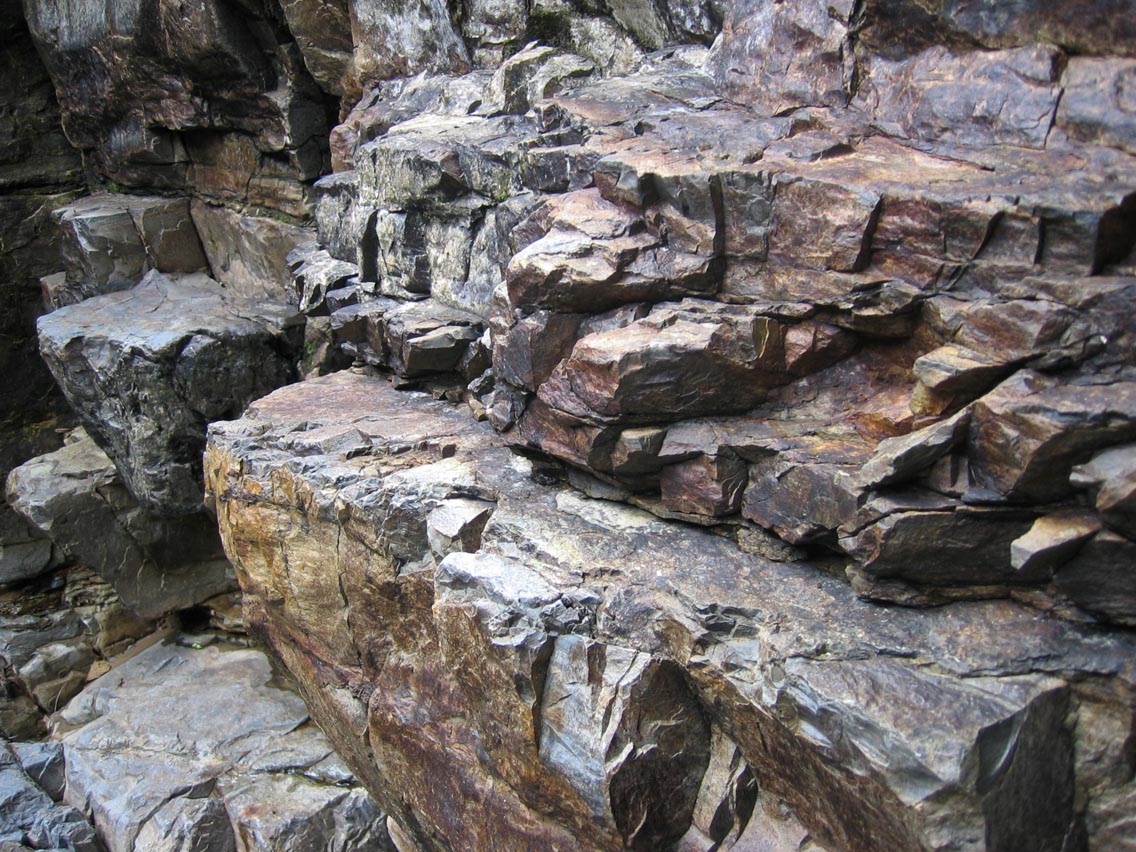
Geologically, stones belong to three broad classes: igneous, sedimentary and metamorphic. Each class has characteristic textures, strengths and uses. Common examples include granite (an igneous rock), sandstone and limestone (sedimentary), and marble and slate (metamorphic). Properties often considered when choosing a stone are hardness, porosity, grain, color and cleavage; these affect how the stone can be cut, finished and maintained. For material comparisons, see natural stone qualities and contrasts with artificial materials at manufactured materials.
Formation, weathering and classification
Stones form by solidification of molten rock, accumulation and cementation of sediments, or transformation of existing rock under heat and pressure. Over time, environmental factors such as water, wind and temperature cause weathering and erosion: a stone in a river will be rounded by abrasion, while an exposed outcrop may develop cracks and layers from freeze–thaw cycles. Geologists classify stones by origin, mineral content and grain size; useful introductory resources include rock formation and erosion processes.
Historical and cultural importance
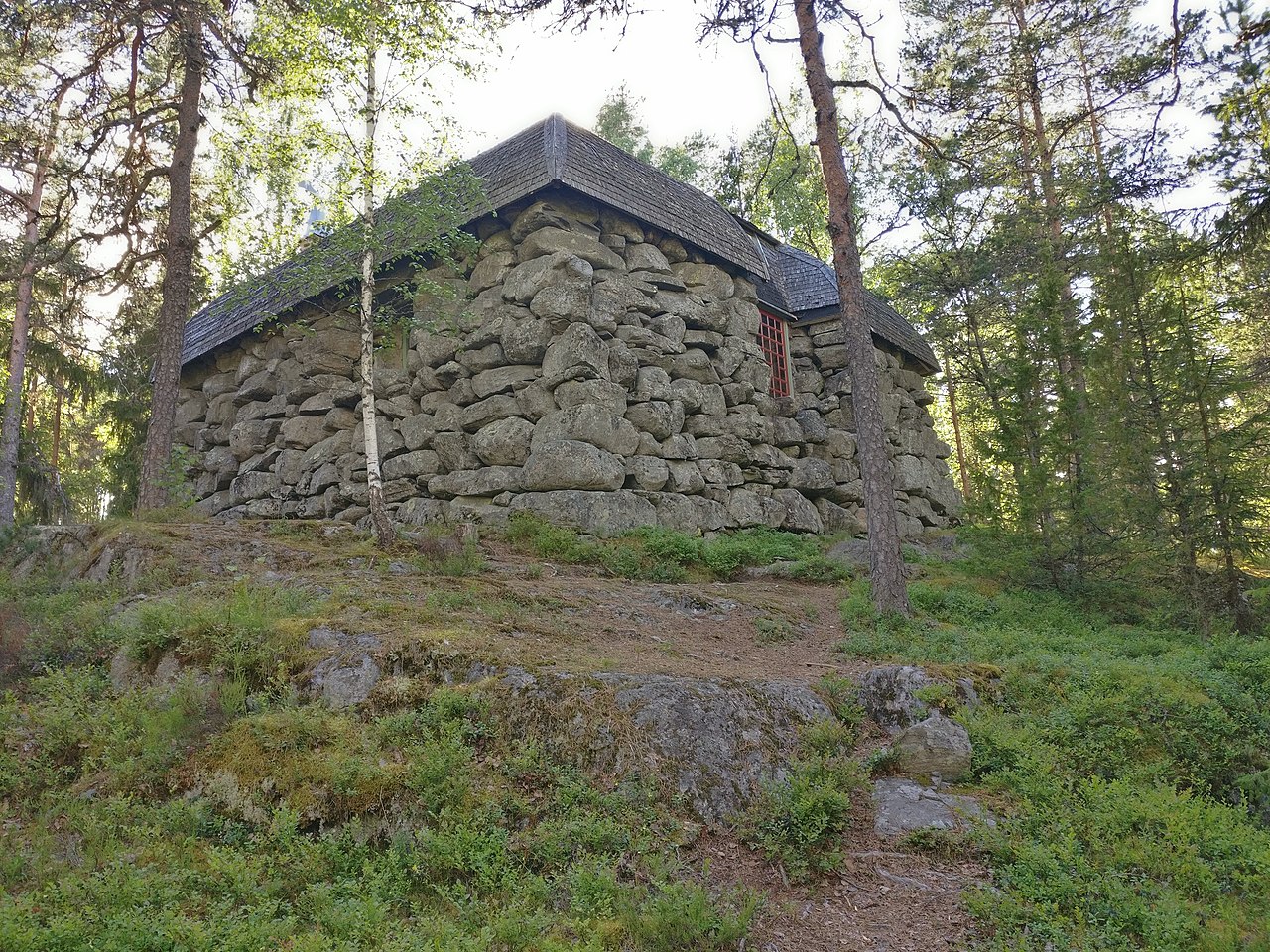
Stone has been central to human history. Early humans fashioned tools and weapons from flaked stone, defining technological phases such as the Stone Age. Monumental architecture and sculpture often use stone for its durability and aesthetic qualities: megaliths, temples, cathedrals and statuary illustrate long-term cultural value. For archaeology and craft history see prehistoric tools and studies of stone masonry.
Uses, working methods and examples
Stones are used in many ways:
- Construction: load-bearing blocks, cladding and paving (building stone).
- Monumental and decorative work: carving, polishing and inlay (sculpture).
- Infrastructure: aggregate for concrete and roadbed, riprap and retaining walls (engineering uses).
- Everyday items: millstones, countertops, tiles and landscape rock (domestic uses).
Quarrying, sawing and finishing techniques have evolved from simple hammering to precise cutting and computer-controlled polishing; conservation and sustainable sourcing are modern concerns covered under quarrying practices.
Distinctions and notable facts
"Stone" is sometimes used interchangeably with "rock," but in construction and commerce it often refers to quarried, sized or finished material. Stones differ from manufactured products such as concrete or brick in origin and internal structure; compare natural and artificial materials at natural vs. manufactured. Size-based terms also matter: gravel and pebbles are smaller than stones, while a boulder denotes a very large rock (size classification). Physically, many stones have high heat capacity and poor electrical conductivity, making them useful in thermal applications and durable in built environments.
Related articles
Author
AlegsaOnline.com Stone: natural rock, types, uses, and cultural significance Leandro Alegsa
URL: https://en.alegsaonline.com/art/94050