
Frederick Law Olmsted — founder of American landscape architecture
American landscape architect and social reformer (1822–1903) who shaped public parks, pioneered design principles, and promoted parks as vital to urban life.
Frederick Law Olmsted (April 26, 1822 – August 28, 1903) was an American landscape architect, journalist, social critic and public administrator widely regarded as the father of American landscape architecture. His work and writings established durable principles for park design and urban green space, arguing that well-designed parks promoted public health, social cohesion and democratic access to nature.
Image gallery
7 Images


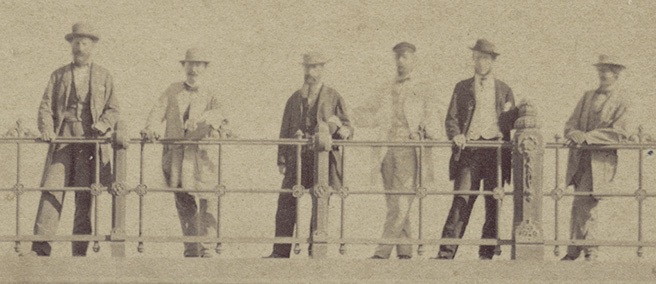


Approach and design principles
Olmsted favored naturalistic compositions that evoked rural scenery rather than formal gardens. He combined sweeping lawns, carefully sited trees and curving paths to create varied views and tranquil settings within crowded cities. His planning often separated different types of circulation—pedestrian paths, carriageways and later roadways—to reduce conflict and preserve scenic experience. Beyond aesthetics, Olmsted emphasized practical issues such as drainage, maintenance and public safety, treating parks as living infrastructure for urban populations.
Major works and projects
Olmsted is best known for his collaborative design of Central Park in New York City, a project that introduced many Americans to the idea of a large, civic park. He later designed or influenced a wide range of public landscapes across the United States. Notable examples include Prospect Park in Brooklyn, the Emerald Necklace park system in Boston, the grounds of the Biltmore Estate and early comprehensive park systems for cities such as Buffalo. His firm—later continued by his sons as Olmsted Brothers—worked on parks, parkways, college campuses and suburban plans.
Public roles and legacy
Before and during his landscape career Olmsted worked as a journalist and public administrator; these roles shaped his civic outlook. He argued that publicly accessible natural spaces were essential to urban life and to democratic society. His influence extended beyond individual sites: he helped professionalize landscape architecture in America, promoted standards for park management, and left a network of designed spaces that remain central to urban life.
Selected characteristics and notable facts
- Emphasis on naturalistic, picturesque design rather than rigid formality.
- Integration of functionality—drainage, circulation and maintenance—into aesthetic planning.
- Advocate for parks as instruments of public health and social reform.
- Legacy continued by the Olmsted firm and by generations of landscape architects influenced by his writings and projects.
Olmsted's ideas transformed how cities thought about public space. His parks remain studied examples of how landscape design can combine beauty, utility and social purpose, and many of his sites are preserved and celebrated today.
Related articles
Author
AlegsaOnline.com Frederick Law Olmsted — founder of American landscape architecture Leandro Alegsa
URL: https://en.alegsaonline.com/art/36424
Sources
- fredericklawolmsted.com : "Frederick Law Olmsted - Founder of landscape architechture"
- query.nytimes.com : "F. L Olmsted is Dead; End Comes to Great Landscape Architect at Waverly, Mass. Designer of Central and Prospect Parks and Other Famous Garden Spots of American Cities."