
Gun (firearm): overview, parts, history, types, uses and safety
A gun (firearm) is a weapon that propels metal projectiles by rapidly expanding gas. This article covers its basic parts, historical development, common types, uses, and safety and legal considerations.
Overview
A gun, commonly called a firearm, is a mechanical device that launches one or more metal projectiles by converting stored energy—typically from the rapid expansion of gases produced by burning propellant—into kinetic energy. Firearms range from small handguns designed to be operated by a single person to large guns used in heavy industry and armed forces. They are characterized by their ability to deliver a compact, high-velocity projectile over distances greater than earlier hand-thrown or hand-drawn weapons.
Image gallery
10 Images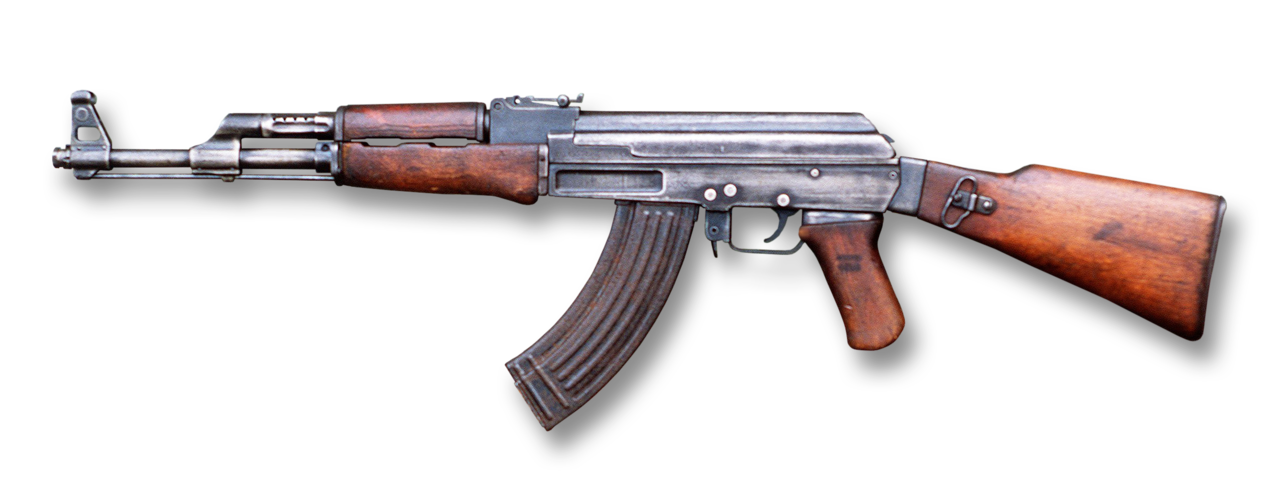


Components and characteristics
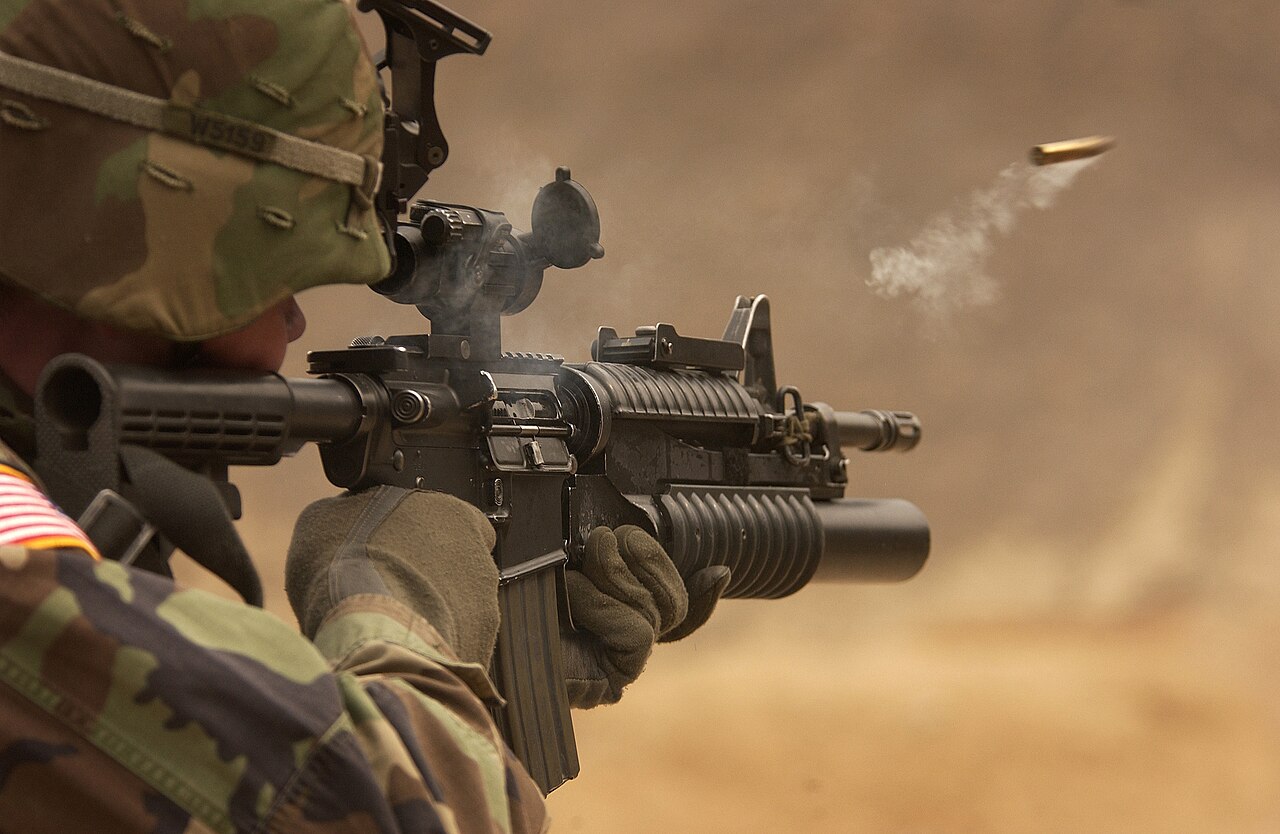
Most modern small arms share a set of basic components: a barrel that guides the projectile; a firing mechanism that includes a trigger and a firing pin; a chamber or breech where the propellant and projectile are assembled; and a stock or grip to hold and aim the weapon. Ammunition commonly consists of a cartridge that packages the bullet, propellant and primer in a single unit. Key performance factors include muzzle velocity, accuracy, range, rate of fire and effective stopping power.
History and development
Early gunlike devices appeared in Asia; examples made from wood or bamboo and using gunpowder are believed to have emerged in China around the first millennium AD. Over centuries the technology spread and evolved: metals replaced organic materials, gunpowder formulations improved, and manufacturing techniques allowed for stronger barrels and more reliable ignition systems. These advances changed warfare and hunting by offering a combination of range, penetration and speed not available from bows, slings or catapults.
Common types and uses
Firearms are often grouped by size and role. Handguns such as pistols and revolvers are compact for self-defense and law enforcement. Rifles and carbines provide greater accuracy and range for military, police and sporting use. Shotguns fire multiple small projectiles or slugs at short distances and are widely used for hunting and some security roles. Larger guns, including artillery and naval guns, serve in military and engineering contexts. Civilian uses include hunting, sport shooting and collection; professional uses include policing, armed forces and some security services.
Impact, safety and regulation
Guns have had profound social, technological and legal effects. Their lethality and convenience have influenced tactics, law and personal safety practices. Responsible ownership emphasizes safe storage, handling, training and compliance with applicable laws. Because national and local rules vary widely, legal considerations affect purchase, possession, transport and use in many jurisdictions. Public debate often focuses on balancing rights, safety and crime prevention.
Notable distinctions and facts
- Terminology: "firearm" is a broad legal and technical term; "gun" is common everyday usage.
- Projectile types vary: single bullets, multiple pellets (shot), and specialized rounds for training or nonlethal purposes.
- Advances in metallurgy, propellants and optics have steadily increased effective range and accuracy.
Related links
- General overview of weapons
- Metal projectiles and ballistics
- Bullets and ammunition
- Early Chinese gunpowder devices
- Metallurgy in firearm development
- Siege engines and pre-gun artillery
- Bows, arrows and comparative weaponry
- Naval guns and heavy ordnance
- Military doctrine and small arms
- Pistols and handgun designs
- Rifles, barrels and rifling
- Classification of small arms
- Trigger mechanisms explained
- Barrel construction and function
- Stocks, grips and ergonomics
- Safe handling and human factors
- Firing process and ignition systems
- Aiming, sights and targeting
- Projectile speed versus arrows
- Historical comparison with spears
- Kinetic energy and wound ballistics
Questions and answers
Q: What is a gun?
A: A gun is a weapon used to shoot one or more metal projectiles called bullets.
Q: Where and when were guns first made?
A: Guns made of wood or bamboo are thought to have been made in China around 1000 AD. In the next few centuries they spread to other parts of Asia and to Europe where they were made of metal.
Q: How did guns replace catapults and bows and arrows?
A: Guns largely replaced catapults and bows and arrows when they became strong enough to reach out over longer distances to reliably hit a target.
Q: What are the basic parts of small arms firearms?
A: Small arms firearms typically have the same basic parts, which include a trigger, barrel, and handgrip or stock.
Q: How does a gun fire?
A: When the shooter's finger pulls the trigger, it releases a bullet from the barrel which then flies towards its target.
Q: Why are guns effective weapons?
A: Guns can be very effective weapons because their bullets fly faster than an arrow or spear, their high kinetic energy makes them more lethal, and they can shoot from far distances.
Related articles
Author
AlegsaOnline.com Gun (firearm): overview, parts, history, types, uses and safety Leandro Alegsa
URL: https://en.alegsaonline.com/art/41419
Sources
- nramuseum.com : "A Brief History of Firearms"
- americanshootingjournal.com : "The Evolution of Hunting: History of Tools, Weapons, Tactics, Roles and Purpose"
- livescience.com : "Human Evolution: The Origin of Tool Use"
- theguardian.com : "Humans hunted for meat 2 million years ago"
- smithsonianmag.com : "Early bow and arrows offer insight into origins of human intellect"
- scientificamerican.com : "Does Hunting Help or Hurt the Environment?"
- smartgunlaws.org : "Minimum Age to Purchase & Possess Firearms Policy Summary"
- cnn.com : "Dunblane: How UK school massacre led to tighter gun control"
- commons.wikimedia.org : Guns