
Franklin Center (Chicago)
Franklin Center is a major office skyscraper in Chicago’s Loop, completed in 1989 and known for its 307-meter height, postmodern design, and prominent place in the city skyline.
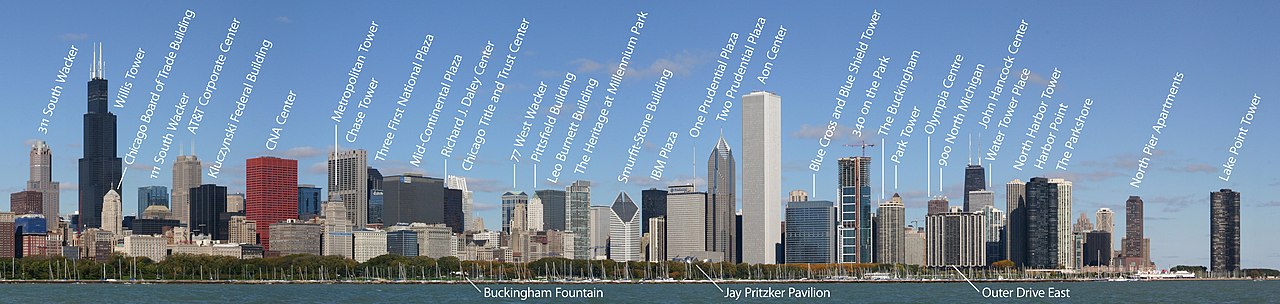
Franklin Center is a major office skyscraper in Chicago, Illinois, in the United States. Completed in 1989, it rises to 307 meters (1,007 feet) and has 60 floors. The building is a notable part of the city’s downtown skyline and was long regarded as one of the tallest office towers in the world. It is sometimes associated with the broader development known as Chicago’s modern high-rise business district, reflecting the city’s continuing role in the evolution of tall-building design. See also skyscraper, Chicago, and the United States.
Image gallery
4 Images

Overview
The tower is primarily used for offices and stands in the Loop, Chicago’s central business area. Its scale, height, and location make it an important commercial landmark rather than a residential or mixed-use tower. Like many large American office buildings of the late 20th century, Franklin Center was designed to accommodate major corporate tenants and modern workplace needs, including large floor plates, elevator systems, and a striking external profile.
Design and features
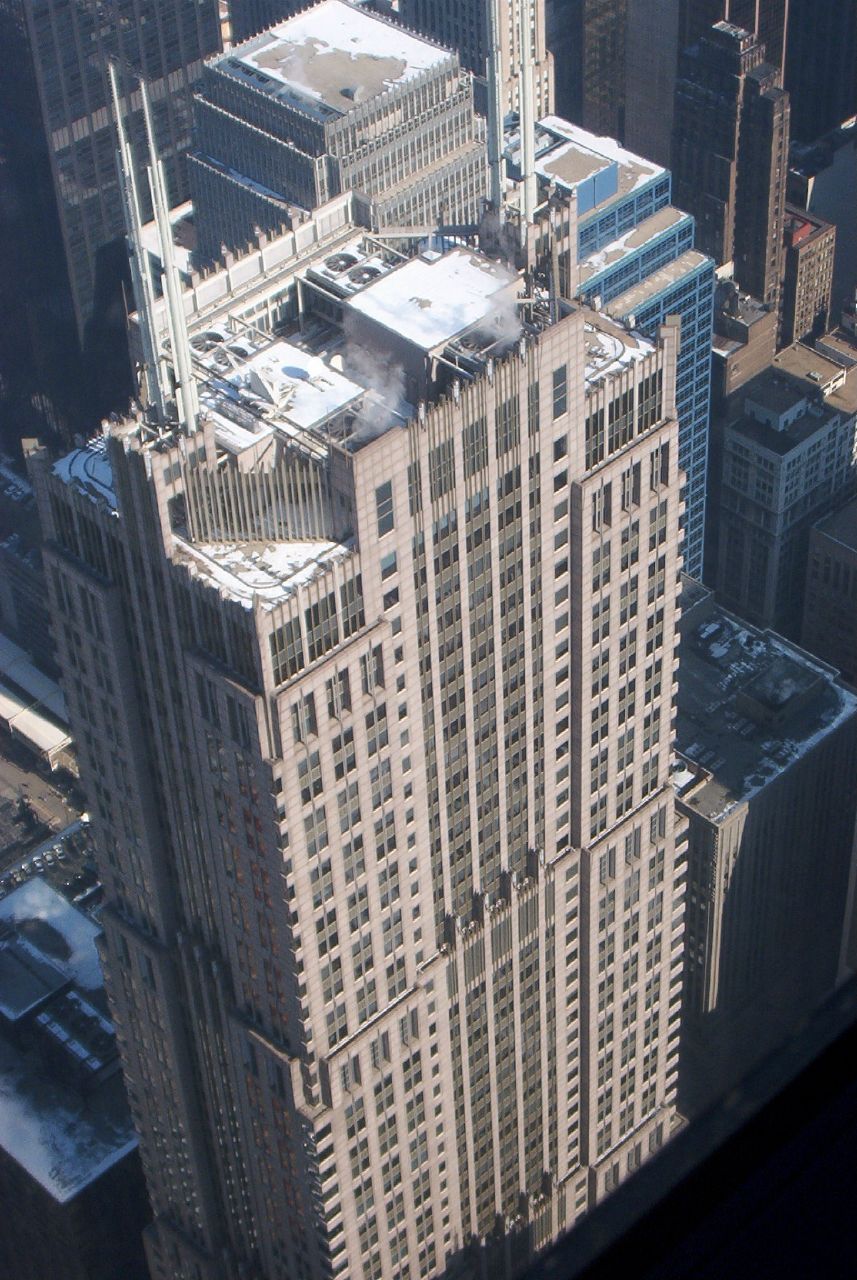
Franklin Center is known for its slender vertical form and polished appearance. The building reflects late-20th-century skyscraper design, when architects often combined traditional monumentality with updated materials and modern structural engineering. Its height places it among the most prominent towers in Chicago, a city widely recognized for its contribution to skyscraper history. The structure’s silhouette is especially visible from across downtown, where it helps define the dense commercial core of the city.
- Height: 307 meters (1,007 feet)
- Floors: 60
- Completion: 1989
- Use: Office skyscraper
History and significance
Completed at the end of the 1980s, Franklin Center represented a period of large-scale downtown development in Chicago. At the time, its height made it an impressive achievement in both engineering and urban design. Tall office buildings of this kind became symbols of corporate growth and city-center investment, and Franklin Center joined other landmark towers in reinforcing Chicago’s reputation as a leading skyscraper city. For many visitors and residents, it is part of the everyday visual identity of the Loop.
The building remains significant not only for its size but also for what it represents: a late-stage example of the ambition that shaped Chicago’s modern skyline. Its prominence continues to make it a useful reference point in discussions of tall buildings, urban architecture, and the development of downtown Chicago.
Related articles
Author
AlegsaOnline.com Franklin Center (Chicago) Leandro Alegsa
URL: https://en.alegsaonline.com/art/36239