
Artillery: definition, types, history and battlefield roles
Comprehensive overview of artillery—large-caliber guns, mortars, rockets and missiles—covering types, components, tactics, organisation, historical development and modern considerations.
Overview
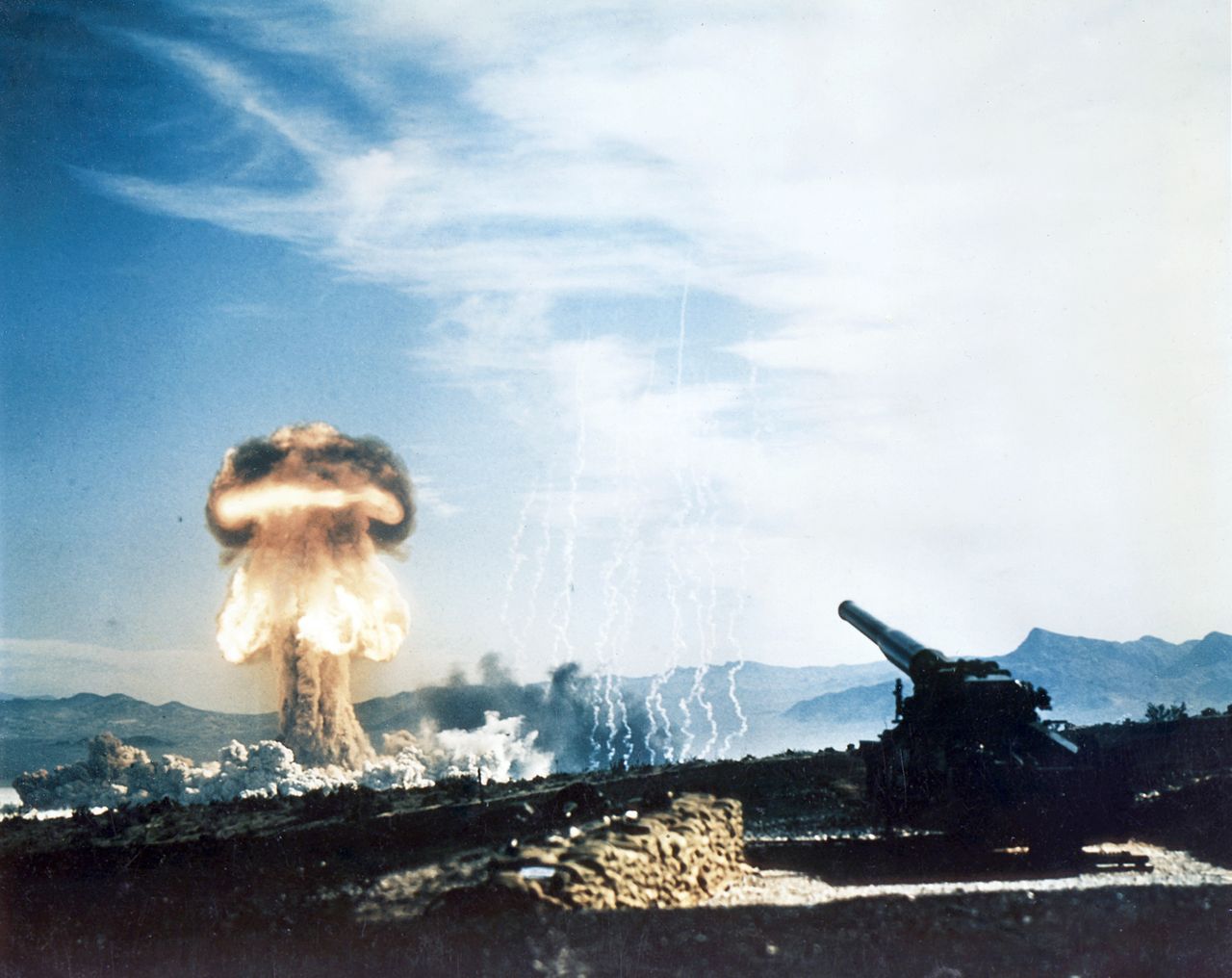
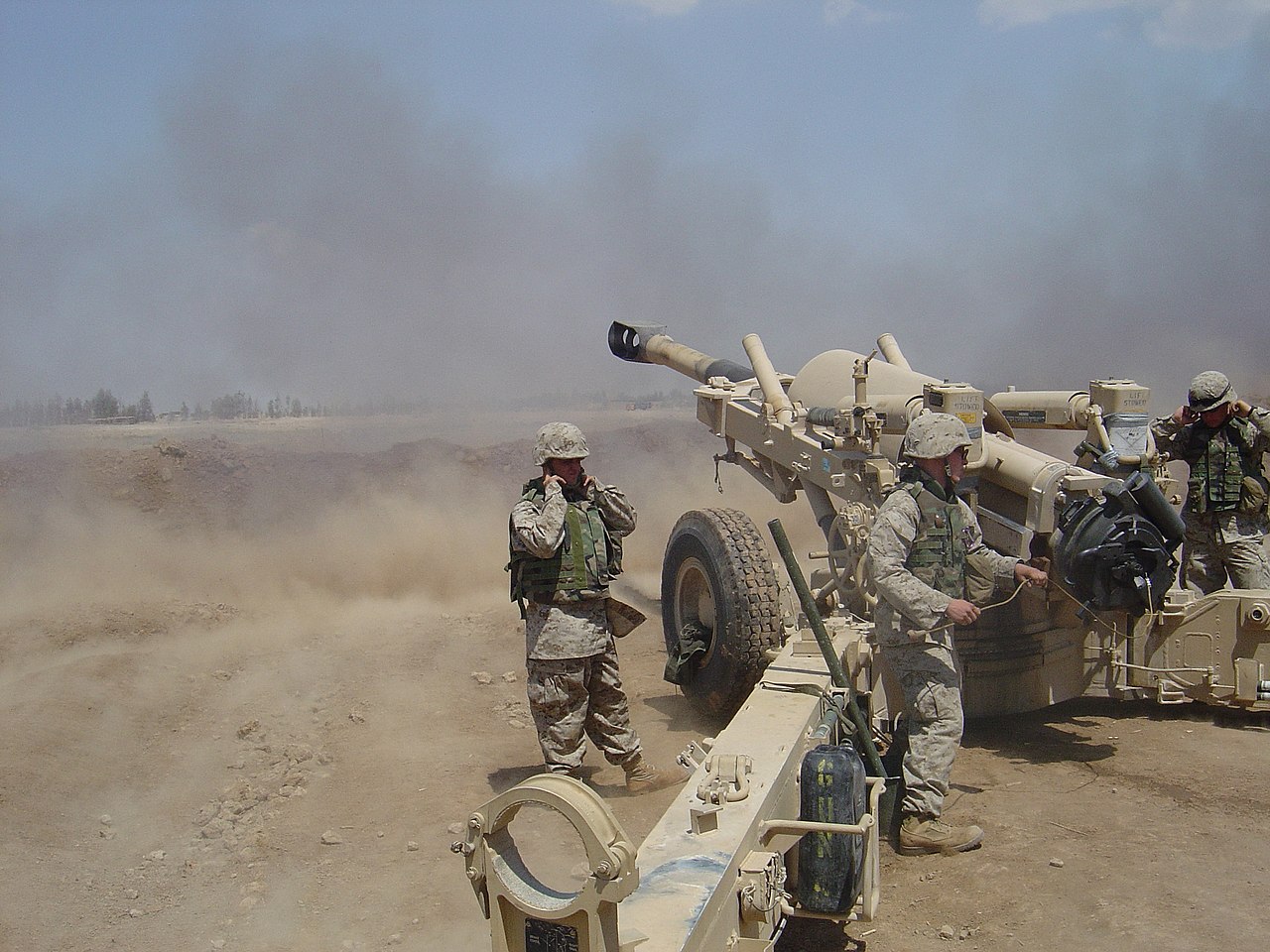
Artillery describes both a military branch and the class of weapons designed to deliver firepower at ranges beyond small arms. Traditionally the term covered large tube guns such as cannons and howitzers, but it now includes mortars, rocket systems and surface-to-surface missiles. Artillery is used to strike distant targets, shape the battlefield, deny terrain and support manoeuvre by suppressing or destroying enemy positions.
Image gallery
10 Images




Common types and components
Most artillery systems consist of a delivery mechanism (barrel or launcher), ammunition, a carriage or vehicle, and fire control. Typical families are:
- Tube artillery — guns and howitzers that fire shells by propellant; used for direct or indirect fire.
- Mortars — lightweight, high-angle weapons for close support and steep trajectories.
- Rocket artillery — launchers that fire rockets to saturate areas or deliver longer-range effects.
- Missile systems — guided surface-to-surface weapons offering greater range or precision.
- Anti-aircraft artillery — guns and integrated missile systems employed to counter aerial threats within an integrated anti-aircraft warfare framework.
Ammunition and effects
Artillery ammunition includes high-explosive and specialised rounds. Shells can be designed for blast and fragmentation, smoke, illumination, or target marking. Modern munitions also include guided projectiles and submunitions. Some systems are capable of scatterable ordnance such as remotely dispensed mines used for temporary area denial. The chosen munition determines the intended tactical effect: suppression, disruption, destruction, or area denial.
Operation and fire control
Artillery frequently fires indirectly, beyond the visual line of sight of the crew. Observers or forward controllers — often called spotters — locate targets and adjust firing prescriptions. A fire direction centre computes firing data that gunners apply to aim the weapon. Coordination between observers, command elements and logistics is essential for timely and sustained effects in support of an army or joint force.
Roles and battlefield use
Artillery supports many tactical tasks: preparatory bombardment to weaken defences, suppression to cover an assault, interdiction to block movement of troops and supplies, counter-battery fire to neutralise enemy artillery, and protection against aircraft and other threats. It can be employed against fortifications, troop concentrations, supply nodes and infrastructure. Artillery is also used to bombard fortified positions such as trenches in order to reduce enemy combat power before ground forces advance.
Organisation, crews and terminology
Individual guns are normally operated by crews of gunners who handle loading, aiming and firing. A typical battery or regiment organises several pieces with organic command and fire support assets. Crew roles include the gunner, the layer, ammunition handlers and maintenance specialists. Observers, forward controllers and higher headquarters direct the employment of fires and may use aerial or electronic sensors to extend situational awareness beyond what can be seen from the gun position.
Protection, mobility and sustainment
Artillery units balance protection, mobility and sustainment. Towed pieces are lighter and easier to transport over long distances by transport assets, while self-propelled guns combine armour and mobility for rapid displacement and survivability. Ammunition supply, maintenance and secure positions are vital, as sustained firing consumes large amounts of materiel and requires logistic planning to remain effective under enemy counter-fire.
Historical development
The development of artillery is closely tied to advances in propellants, metallurgy and fire-control methods. Early gunpowder weapons evolved into organised artillery arms that became decisive in siege and field battles. By the 19th and 20th centuries, doctrines for massed and indirect fire emerged, making artillery a dominant force in many conflicts. Later innovations introduced rocket artillery and precision-guided munitions, changing how commanders integrate fires with manoeuvre and air assets.
Countermeasures and modern trends
Counter-battery detection, electronic warfare and precision strike are among the methods used to reduce an adversary's artillery advantage. Advances in GPS guidance, networking and sensor fusion have increased accuracy and reduced collateral effects, while new warheads and fuzing options aim to tailor effects to particular targets. Integration with aerial reconnaissance, ground sensors and command systems improves responsiveness and reduces the time from detection to engagement.
Legal and ethical considerations
The use of artillery must comply with the laws of armed conflict and rules of engagement. Concerns over civilian harm, unexploded ordnance and proportionality affect employment decisions. Commanders must weigh military necessity against potential collateral damage and apply appropriate targeting procedures to minimise harm to non-combatants and infrastructure.
Further reading and resources
For technical descriptions and doctrinal detail consult sources on artillery platforms, overviews of howitzers, histories of cannons, ammunition guides on shells, material on guided systems, and discussions of area-denial and mine employment. Operational aspects and integration with air defence and aircraft operations are covered in texts addressing anti-aircraft warfare and joint fires doctrine.
This entry summarises broadly known aspects of artillery while avoiding specialised technical detail. For specific equipment, doctrinal manuals and authoritative histories should be consulted for precise performance data and tactical procedures.
Questions and answers
Q: What is artillery?
A: Artillery refers to the big guns used in an army, such as cannons and howitzers, to shoot targets far away.
Q: What are some uses of artillery?
A: Artillery is often used to prevent enemy troops from using an area, to bombard trenches and buildings with enemies in them, and to support friendly units.
Q: What kinds of weapons are considered artillery?
A: There are many different weapons that can be considered artillery, including those that shoot shells, missiles, or can even drop mines over a large area.
Q: What is anti-aircraft warfare?
A: Anti-aircraft warfare is the use of artillery to fight planes and other aircraft.
Q: What are those who operate the artillery pieces called?
A: Those who operate the artillery pieces are called "gunners."
Q: Why might a spotter be needed to use artillery?
A: In most cases, a spotter is needed to use artillery because the guns often shoot farther than the gunners can see, so a spotter must spot the enemy.
Q: Is it necessary for the artillery crew to see the enemy to damage them?
A: No, it is not necessary for the artillery crew to see the enemy to damage them.
Related articles
Author
AlegsaOnline.com Artillery: definition, types, history and battlefield roles Leandro Alegsa
URL: https://en.alegsaonline.com/art/6366