
Siege: military blockade and assault of fortified places
A siege is a prolonged military operation to isolate and capture a fortified place by cutting supplies, breaching defenses, or forcing surrender. It has shaped many wars from antiquity to modern times.
A siege is a form of armed operation in which an attacking force surrounds and isolates a defended location to compel its capitulation. Traditionally aimed at a city or fortress, a siege combines containment with direct attempts to reduce defensive strength. As a named type of military operation, it differs from open battle by focusing on static pressure rather than maneuvering engagements.
Image gallery
10 Images


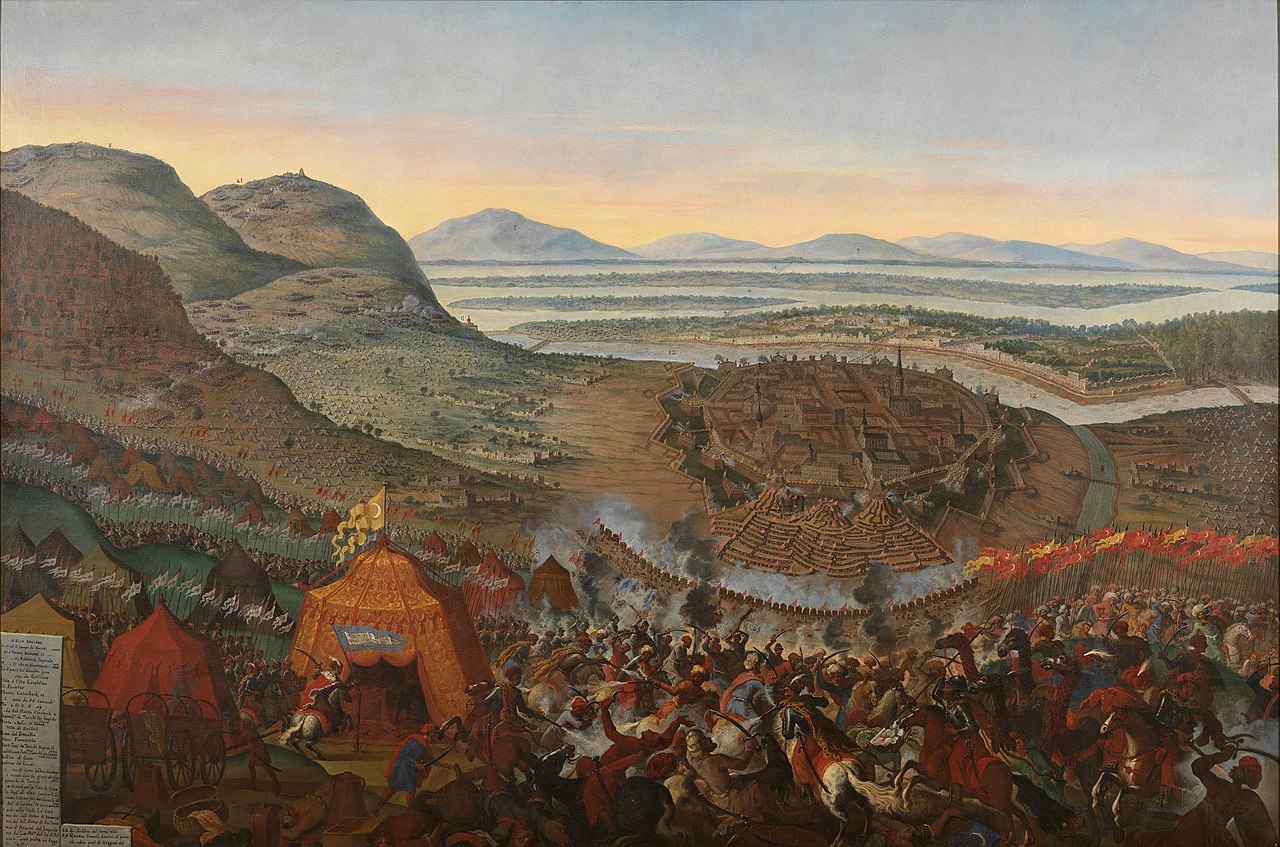

Core characteristics and methods
Sieges typically seek to sever the flow of provisions, reinforcements and escape routes. A blockade element prevents supplies, while active measures attempt to breach walls or render defense untenable. Attackers use ranged bombardment, mining and sapping, ladders or siege towers in earlier eras and artillery, aerial bombardment or encirclement in later periods. The goal can be to induce surrender by starvation, denial of water, disease or to prepare for a planned assault.
Tactics, technology and negotiation
Over time siegecraft has combined engineering, logistics and psychology. Skilled engineers build trenches, gabions and earthworks; defenders employ countermining, sorties and improvised shelters. Prolonged sieges magnify non-combat harms: malnutrition, epidemics and civilian suffering are common outcomes. Diplomacy also plays a role: besiegers and besieged frequently engage in parole, ransom and formal negotiation to end hostilities with terms.
Historical development
From antiquity through the medieval period, siege warfare relied on mechanical devices such as battering rams, siege towers and catapults. The introduction of gunpowder and cannon altered the balance between walls and artillery, shortening some sieges while transforming fortification design. In the modern era, railways, industrial logistics and air power changed how protracted sieges were supplied and sustained; some twentieth-century sieges combined urban combat with systematic targeting of infrastructure.
Importance and consequences
Sieges have repeatedly altered political maps by producing decisive surrenders or costly stalemates. They tend to concentrate suffering among civilian populations and can raise difficult legal and ethical questions, especially when starvation or deliberate targeting of noncombatants occurs. Military planners study sieges for lessons in logistics, engineering, morale and the limits of sustained pressure.
Notable examples
- Siege of Troy — a legendary early example often cited in literature and classical tradition.
- Siege of Constantinople — an event that illustrates how changes in siege technology can decide empires.
- Siege of Orleans — a medieval campaign that influenced national politics and military practice.
- Siege of Leningrad and Stalingrad — twentieth-century instances demonstrating urban siege warfare's scale and humanitarian impact.
For further reading on technical terms, famous sieges and legal aspects, see related entries on blockade, historical fortifications and the evolution of military engineering. Additional resources and primary-source collections may be found through specialist historical and military repositories: starvation-related studies, water and logistics research, and archives addressing negotiation practices in siege endings (fortress case studies and military analysis).
Related articles
Author
AlegsaOnline.com Siege: military blockade and assault of fortified places Leandro Alegsa
URL: https://en.alegsaonline.com/art/90258