
Oil: types, production, uses and key characteristics
Comprehensive overview of oil: definitions, major types (vegetable, petroleum, synthetic), extraction and refining, common uses, environmental notes and notable distinctions.
Oil is a broad term for a variety of viscous, hydrophobic liquids that do not mix with water and have many industrial, culinary and biological roles. The word is used for many different kinds of liquids and covers a range of sources, chemical compositions and applications. Some oils are produced by plants and animals; others come from geological deposits or are manufactured synthetically.
Image gallery
3 Images

Major types
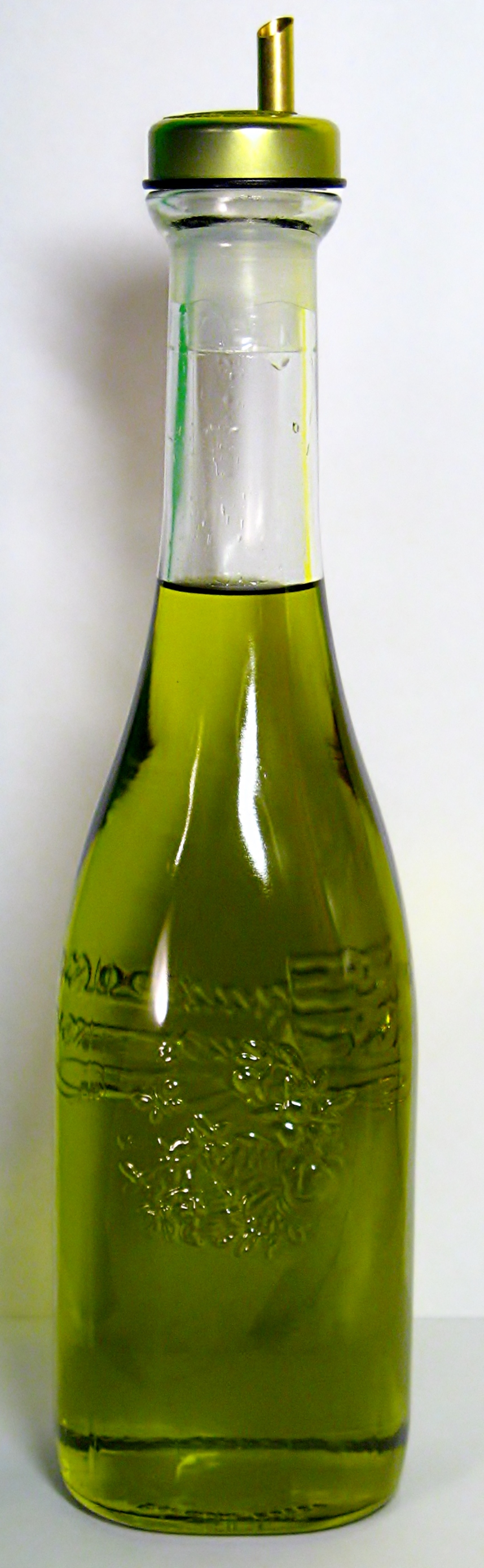
Vegetable or edible oils come from plants and are commonly grouped under vegetable oils. They are widely used in foods and cooking. Common examples include palm oil, maize (corn) oil, olive oil, peanut oil, sunflower oil and soybean derivatives. Plant-sourced fats may be referred to collectively as plant oils and have different fatty acid profiles that affect flavor, smoke point and nutrition.
Mineral oils and fuels originate from crude oil (petroleum) and related deposits. Crude oil is brought to the surface through oil wells and transported on ships or specialized tankers and by pipelines to industrial factories and refineries.
How crude oil is processed
Refineries separate crude oil into fractions by distillation and chemical treatment. Major refined products include LPG, gasoline, diesel and various fuels. Beyond fuels, crude oil and natural gas supply feedstocks for petrochemicals that are used to make plastics, synthetic fibers and many other materials. Refined streams are also processed into industrial lubricants, heating oils and specialized products.
Common uses
- Cooking and food production — edible oils for frying, dressings and food processing (vegetable oils).
- Transportation and heating — fuels such as gasoline and diesel, and synthetic fuel alternatives.
- Industrial materials — plastics, solvents and petrochemicals.
- Maintenance and machinery — lubricants for engines and moving parts.
- Consumer products — cosmetics, medicines, paints, soaps and detergents.
The chemical versatility of oil-derived materials makes them integral to modern manufacturing, from adhesives and coatings to pharmaceuticals and electronic components.
Characteristics, distinctions and impacts
Oils are generally nonpolar and hydrophobic, which explains why they separate from water. They vary in viscosity, volatility and chemical stability: edible oils differ markedly from motor oils or aromatic solvents. Animal fats and traditional soaps are chemically related, but many modern detergents and cleaning agents are synthesized differently. Some oils are produced as synthetic alternatives for specific performance or environmental reasons.
Extraction and use of mineral oil carry environmental, economic and geopolitical implications. Spills, air emissions and greenhouse gas production are concerns tied to fossil-based fuels and lubricants. In contrast, plant-derived oils raise questions about land use, biodiversity and sustainability when produced at large scale.
Overall, "oil" denotes a large family of substances with shared physical traits but very different sources, chemistries and roles in everyday life. For practical information on specific oils—edible varieties, lubricant grades, refining products and petrochemical derivatives—consult technical references or regulatory guidance from relevant industry bodies and agencies.
Questions and answers
Q: What are vegetable oils made from?
A: Vegetable oils are made from plants.
Q: What are some examples of plant oils that people use?
A: Some examples of plant oils that people use are palm oil, maize (corn), olive, peanut, soy, and sunflower.
Q: How is crude oil obtained?
A: Crude oil (petroleum) is obtained by using large oil wells to bring the oil up to the surface.
Q: What happens to the crude oil after it has been brought up to the surface?
A: The crude oil is sent in special ships called tankers or in pipelines to factories called refineries where it is distilled into LPG, gasoline (petrol), diesel fuel, and fuel oil. Plastics are among the Petrochemicals made from crude oil or natural gas. Oils from crude oil are also used as fuels for engines or as lubricants to make the parts of machines work together without sticking or stopping.
Q: What other things can different kinds of oils be used for?
A: Different kinds of oils can be used for many other things such as making cosmetics, medicines, paints, and detergents like washing up liquids.
A2 : Soap(s) are similar to detergents but they are generally made from animal fat(s) rather than oils. Oil is also made for various purposes including synthetic fuel and lubricant.
Related articles
Author
AlegsaOnline.com Oil: types, production, uses and key characteristics Leandro Alegsa
URL: https://en.alegsaonline.com/art/72153