
Satanism: Beliefs, History, and Common Misunderstandings
Concise overview of Satanism: its main forms (symbolic/LaVeyan and theistic), history, practices, and how diverse groups have been mischaracterized or accused over time.
Overview
Satanism is an umbrella term for a range of movements, beliefs and symbolic practices that reference the figure or image of Satan. It is not a single, uniform religion. Some groups treat Satan as a literal deity to be worshipped, while others use Satan as a symbol of individualism, rebellion, or the pursuit of knowledge. Public use of the word has also often been pejorative: critics or opponents sometimes label unrelated groups "Satanic" as an insult or moral accusation.
Image gallery
10 Images




Major types and characteristics
Contemporary Satanic expressions fall into broad categories. Each has different aims, language and rites.
- LaVeyan or symbolic Satanism: Originating in the mid-20th century, it often presents Satan as a literary and psychological archetype rather than a supernatural being. Emphasis is placed on personal autonomy, skepticism, ritual as psychodrama, and a materialist worldview.
- Theistic or traditional Satanism: Groups and individuals who view Satan (or an analogous figure) as a genuine spiritual entity and may practice devotional rites or occultist traditions.
- Esoteric and syncretic currents: Smaller strands mix older magical practices, occult symbolism and regional folk beliefs; these do not form a single orthodoxy but share some imagery and ritual techniques.
History and development
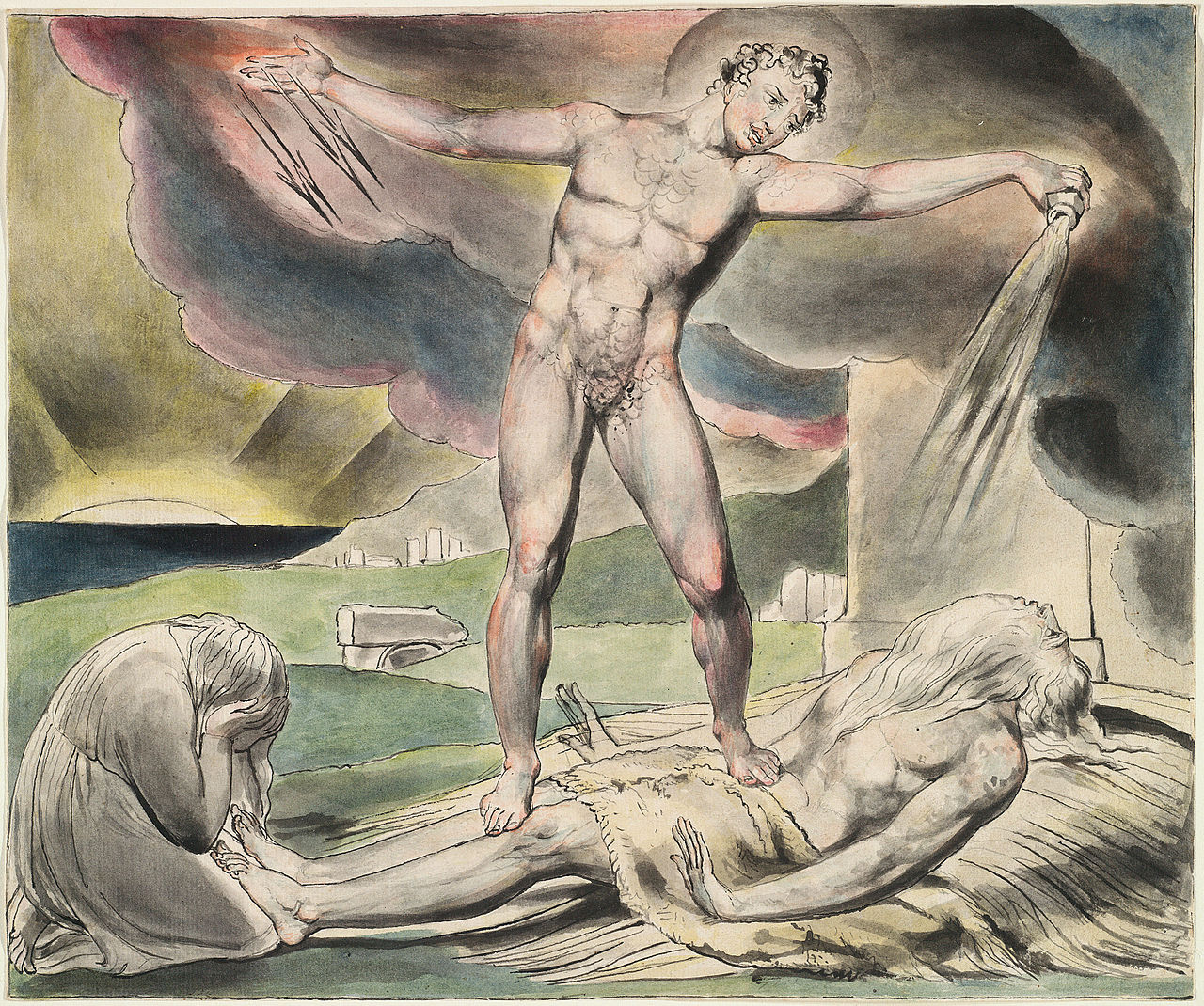
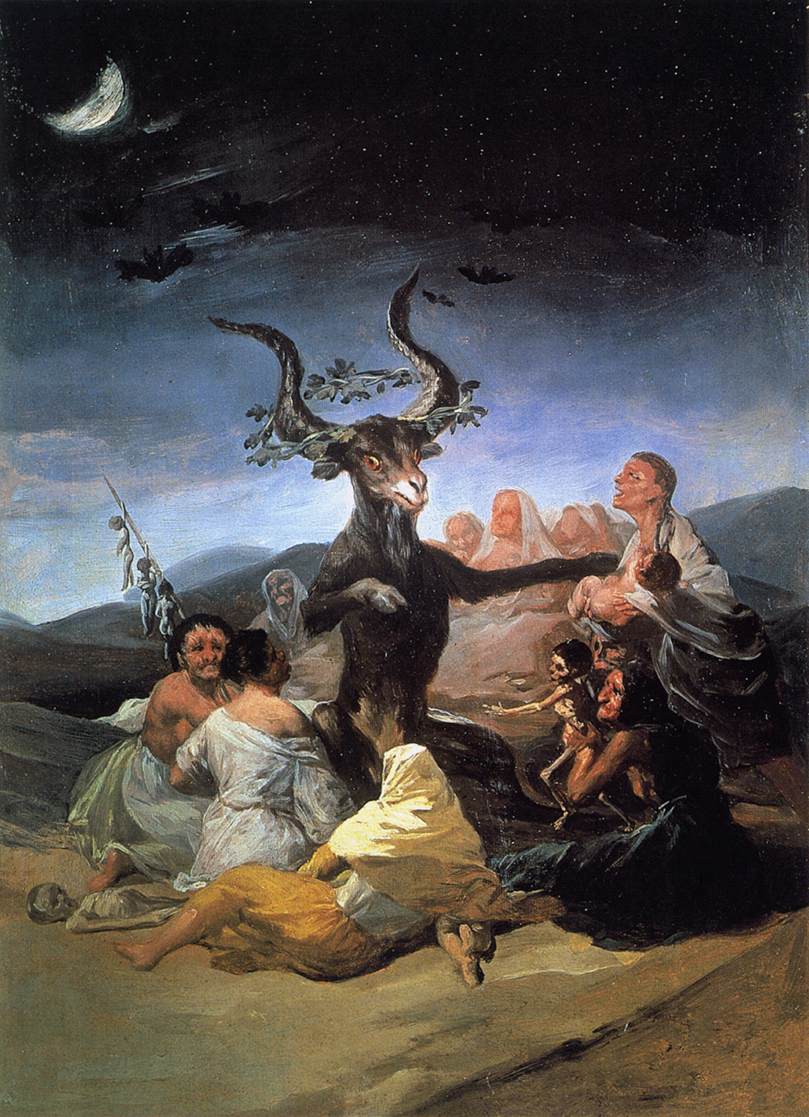
The modern use of Satanic imagery became prominent in Western culture through literature, art and occult revival movements. In the 20th century, figures such as Anton LaVey helped crystallize a public, organized form of symbolic Satanism with published texts and formalized rituals. At the same time, older accusations and fears — about witches, heretics or foreign religions — continued to shape popular attitudes. Moral panics in the late 20th century reinforced sensationalized claims about secret criminal cults, even when evidence was poor or absent.
Practices and symbolism
Practices among Satanists vary widely. For some, ritual is theatrical and psychological: a way to enact personal change, mark life events or build group identity. For theistic adherents, ritual may be devotional, involving prayer or offerings. Common symbolic elements include inverted imagery, literary references to Luciferic myths, and the use of iconography derived from earlier occult traditions. Many who identify as atheistic Satanists explicitly reject belief in supernatural beings while retaining ritual and ethical systems centered on individual responsibility.
Misunderstandings, accusations and cultural context
Throughout history, diverse religious and ethnic groups have been wrongly labeled as "Satanic" by outsiders. Pagan religions, folk traditions, and minority faiths have faced stigma when their symbols or deities were reinterpreted through a hostile theological lens. Examples include allegations against certain neopagan groups, Afro-diasporic religions, and other indigenous practices, where unfamiliar iconography was dismissed as demonic. These mischaracterizations often reflect social prejudice, political conflict, or religious intolerance rather than accurate understanding of beliefs.
Distinctions and contemporary issues
When discussing Satanism it helps to distinguish symbolic, philosophical, and devotional forms. Contemporary debates also address legal protections for religious freedom, the ethical limits of public ritual, and the difference between provocative self-identification and criminal behavior. Reliable study requires attention to adherents' own statements and to evidence rather than rumor.
Further resources
- Reference 1
- Reference 2
- Reference 3
- Reference 4
- Reference 5
- Reference 6
- Reference 7
- Reference 8
- Reference 9
- Reference 10
- Reference 11
- Reference 12
- Reference 13
- Reference 14
- Reference 15
- Reference 16
- Reference 17
- Reference 18
- Reference 19
- Reference 20
- Reference 21
- Reference 22
- Reference 23
- Reference 24
- Reference 25
- Reference 26
- Reference 27
- Reference 28
- Reference 29
For balanced information, consult primary statements from groups themselves and scholarly analysis rather than sensational media accounts. Academic and legal sources are useful for understanding how belief, symbolism and social reaction interact in diverse contexts.
Related articles
Author
AlegsaOnline.com Satanism: Beliefs, History, and Common Misunderstandings Leandro Alegsa
URL: https://en.alegsaonline.com/art/87435