
Horn (anatomy): structure, function and cultural uses
A horn is a permanent keratin-covered projection on the skull of certain mammals. This article explains horn anatomy, variation, uses in animal behavior and human culture, and differences from antlers and other head appendages.
Overview
A horn is a firm projection that grows from the head of some mammals. In the most familiar examples, the visible outer part of a horn is mainly composed of keratin, the same structural protein found in human hair and nails. Horns occur in a range of species (animals) and normally project from the head, often in symmetrical pairs. They are part of the animal's anatomy and can vary greatly in size, shape and function.
Image gallery
10 Images



Structure and development
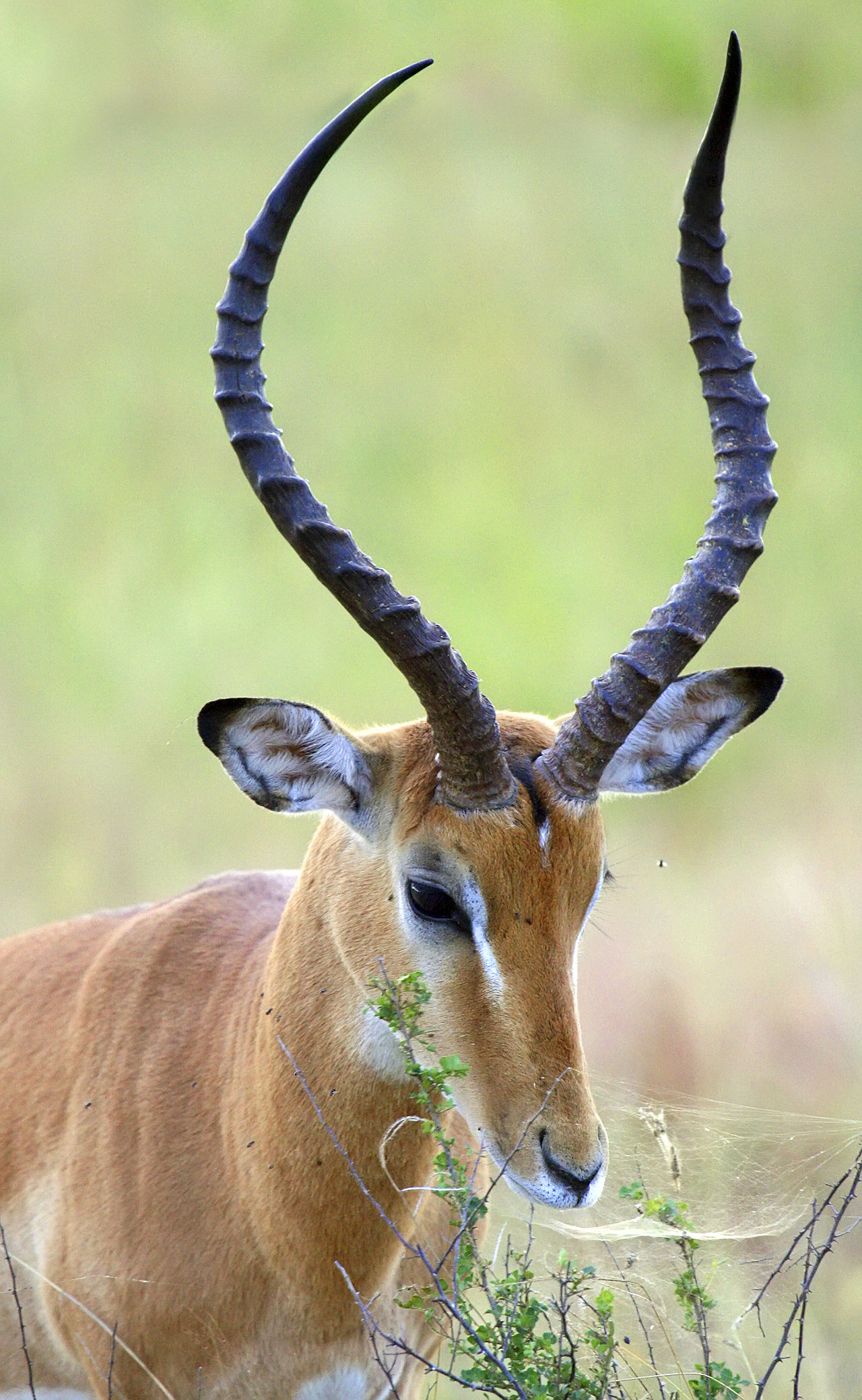
True horns, such as those of cattle, goats and many antelopes, consist of a bony core that is an extension of the skull, covered by a keratinous sheath. They develop from skin regions overlying the frontal bones and grow continuously through an animal's life. Some horn-like structures differ in composition: for example, the rhinoceros horn is primarily a dense mass of compressed keratin fibers without a bony core, while pronghorns have a sheath that is partly shed annually.
Functions and behaviour
Horns serve multiple roles. Common functions include defense against predators, weaponry in fights over territory or mates, and visual signals used in dominance hierarchies and sexual selection. In many species males bear larger horns related to competition, but in some species both sexes carry horns. Horns can also be used in non-combative tasks such as moving vegetation or manipulating objects.
Examples and notable varieties
- Cattle, sheep and goats: classic bony-core horns with keratin sheath.
- Antelopes and gazelles: a wide range of horn shapes adapted to ecology and behaviour.
- Pronghorn: a unique sheath that is partly shed each year.
- Rhinoceros: a compacted-keratin horn lacking a bony core.
Human uses and cultural importance
People have long used animal horns for practical and symbolic purposes. Historically horns were fashioned into containers such as powder horns, musical signals and wind instruments (musical instruments), drinking vessels and ceremonial objects. The durability and hollow form of many horns made them useful before modern materials were available.
Distinctions and conservation notes
Horns are often confused with other head appendages. Important distinctions include antlers (typically branched, made of bone and shed seasonally), ossicones (giraffe structures formed of ossified cartilage covered with skin), and keratinous horns like those of rhinos. Human demand for horn material has contributed to hunting pressure on some species; conservation efforts aim to protect horned animals and their habitats.
For further anatomical detail and species-specific information see resources on skull anatomy, keratinous structures and wildlife conservation (skin, anatomy). Additional reading and visual references are available through specialized sources and museum collections (protein biology, hair, nails, human comparisons). More historical contexts and artifact studies can be found via collections discussing musical instruments and gunpowder containers.
Readers may also consult field guides and zoological summaries for examples of horn diversity in wild animals and the evolutionary roles these structures play in different environments.
Questions and answers
Q: What are horns?
A: Horns are projections made of hard skin that grow on the head of some animals.
Q: What is the composition of horns?
A: Horns have a lot of keratin in them, which is the same protein found in human hair and nails.
Q: How many horns do normally horned animals have?
A: Normally, horned animals have two horns.
Q: Does the rhinoceros have two horns?
A: No, the rhinoceros has just one horn in the middle of its head.
Q: What do animals often use their horns for?
A: Animals often use their horns for fighting each other.
Q: What were the horns of dead animals used for in ancient times?
A: Thousands of years ago, people used the horns of dead animals for musical instruments.
Q: What were horns later used for?
A: In later times, horns were used for carrying gunpowder.
Related articles
Author
AlegsaOnline.com Horn (anatomy): structure, function and cultural uses Leandro Alegsa
URL: https://en.alegsaonline.com/art/45116