
Theism: Belief in God or gods — overview, history, and major distinctions
Theism is the belief that one or more deities exist. This article explains key meanings, historical development, principal variants, cultural importance, and how theism differs from atheism and related positions.
Overview
Theism generally denotes the conviction that at least one divine being exists. In everyday usage it can mean belief in a supreme god or gods, or more narrowly the acceptance of a personal, providential deity who can intervene in the world. Some writers use the term to refer to religious belief in a broad sense, while others reserve it for traditions that posit an active, morally significant deity. The word also appears in philosophical contexts to describe arguments and doctrines about the nature of the divine.
Image gallery
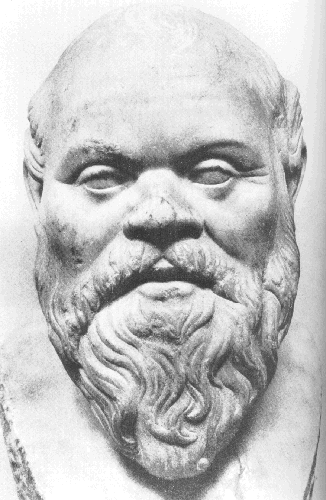
3 Images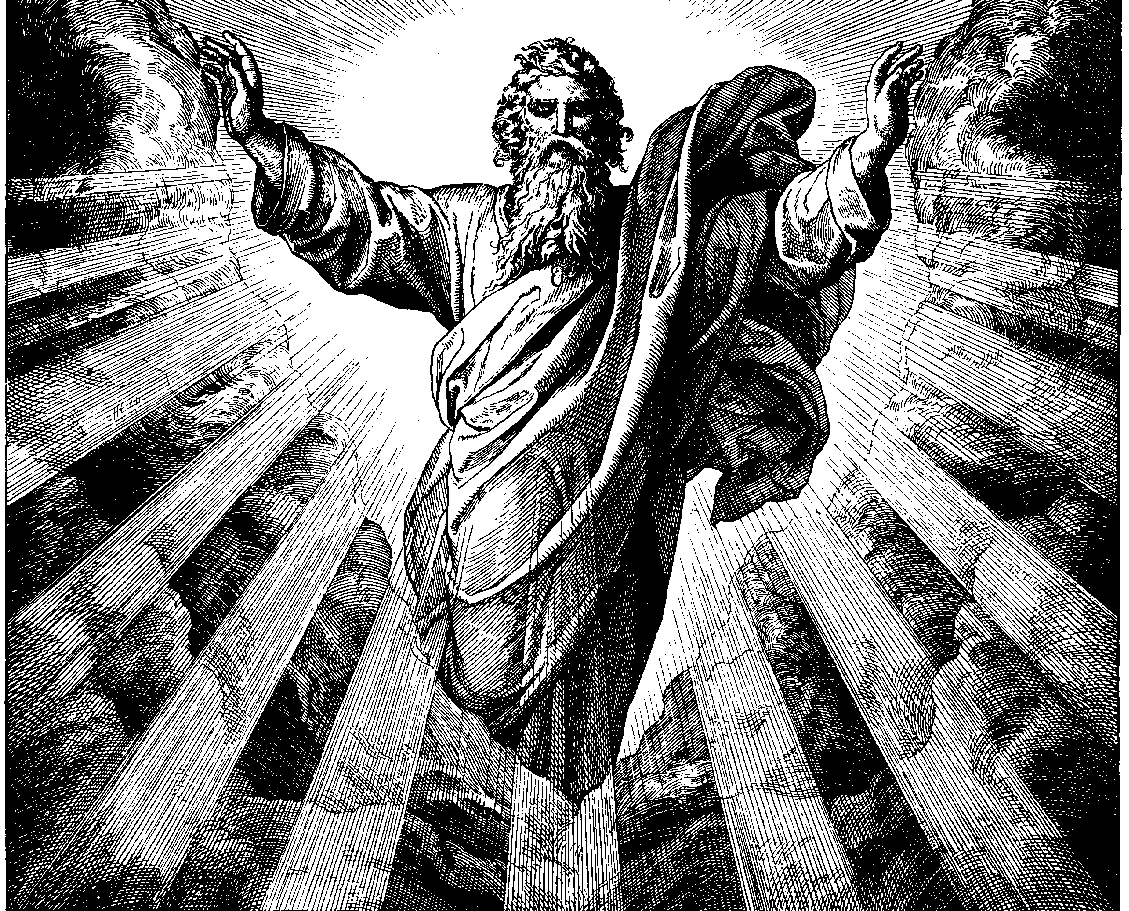

Core characteristics
Theistic conceptions vary, but typical features include attributing intentionality, intelligence, or moral authority to the divine. Theistic systems may describe the deity as transcendent (beyond the world), immanent (present within the world), or both. Practices associated with theism include prayer, ritual, moral injunctions, and communal worship, and theism often functions as a framework for meaning, cosmic order, and questions about life and death.
Historical development
Belief in gods is ancient and appears across human cultures. Over time different forms emerged: some societies emphasized many specialized deities, others focused on a single supreme being. Monotheistic traditions such as Judaism, Christianity and Islam centralized belief in a single deity, while various ancient and indigenous cultures maintained polytheistic or henotheistic practices. Philosophers and theologians in classical, medieval, and modern periods developed arguments for and against theism and refined notions of divine attributes.
Variants and distinctions
- Monotheism: belief in one god, often associated with monotheism as a category.
- Polytheism: belief in multiple gods or goddesses, sometimes called polytheistic systems.
- Deism and pantheism: non-interventionist or universe-identifying conceptions of the divine.
Importance, examples, and contrasts
Theism shapes ethics, law, art, and communal identity in many societies. Major world religions that are typically theistic include Christianity, Islam, and Judaism, though each tradition contains diverse theological views. In philosophical debate theism is often set against atheism (denial of gods) and agnosticism (suspension of judgment). Classic arguments for theism include cosmological, teleological, and moral lines of reasoning, while critics raise questions about evidence and the problem of suffering.
Theism remains a central category in the study of religion and philosophy, useful for distinguishing different ways people understand ultimate reality and moral authority. For further reading, consult resources that survey religious traditions, theological doctrines, and contemporary philosophical discussions on the divine. Related topics cover belief, faith, and secular responses to theistic claims.
Questions and answers
Q: What is the definition of theism?
A: Theism is the belief that at least one god exists while rejecting the existence or importance of polytheistic gods or goddesses.
Q: Can the term theism also include the belief in any type of god?
A: Yes, in a broader definition, theism can also be the belief in God or gods in general, including all types of god-belief.
Q: What is polytheism?
A: Polytheism is the belief in several gods.
Q: What is monotheism?
A: Monotheism is the belief in just one god.
Q: Can you give an example of a theistic religion?
A: Yes, an example of a theistic religion is Christianity.
Q: What is the opposite of a theist?
A: The opposite of a theist is an atheist.
Q: What is an atheist?
A: An atheist is a person who denies or disbelieves the existence of a supreme being or beings.
Related articles
Author
AlegsaOnline.com Theism: Belief in God or gods — overview, history, and major distinctions Leandro Alegsa
URL: https://en.alegsaonline.com/art/99191
Sources
- dictionary.com : "Definition of atheist | Dictionary.com"
- philosophypages.com : "Philosophical Dictionary: Pacifism-Particular"