
Wicca: Origins, Beliefs, and Contemporary Traditions
Wicca: explore the modern pagan religion born in mid-20th century Britain—Gardnerian origins, key beliefs and rituals, terminology, and the range of contemporary traditions and lineages.
Overview
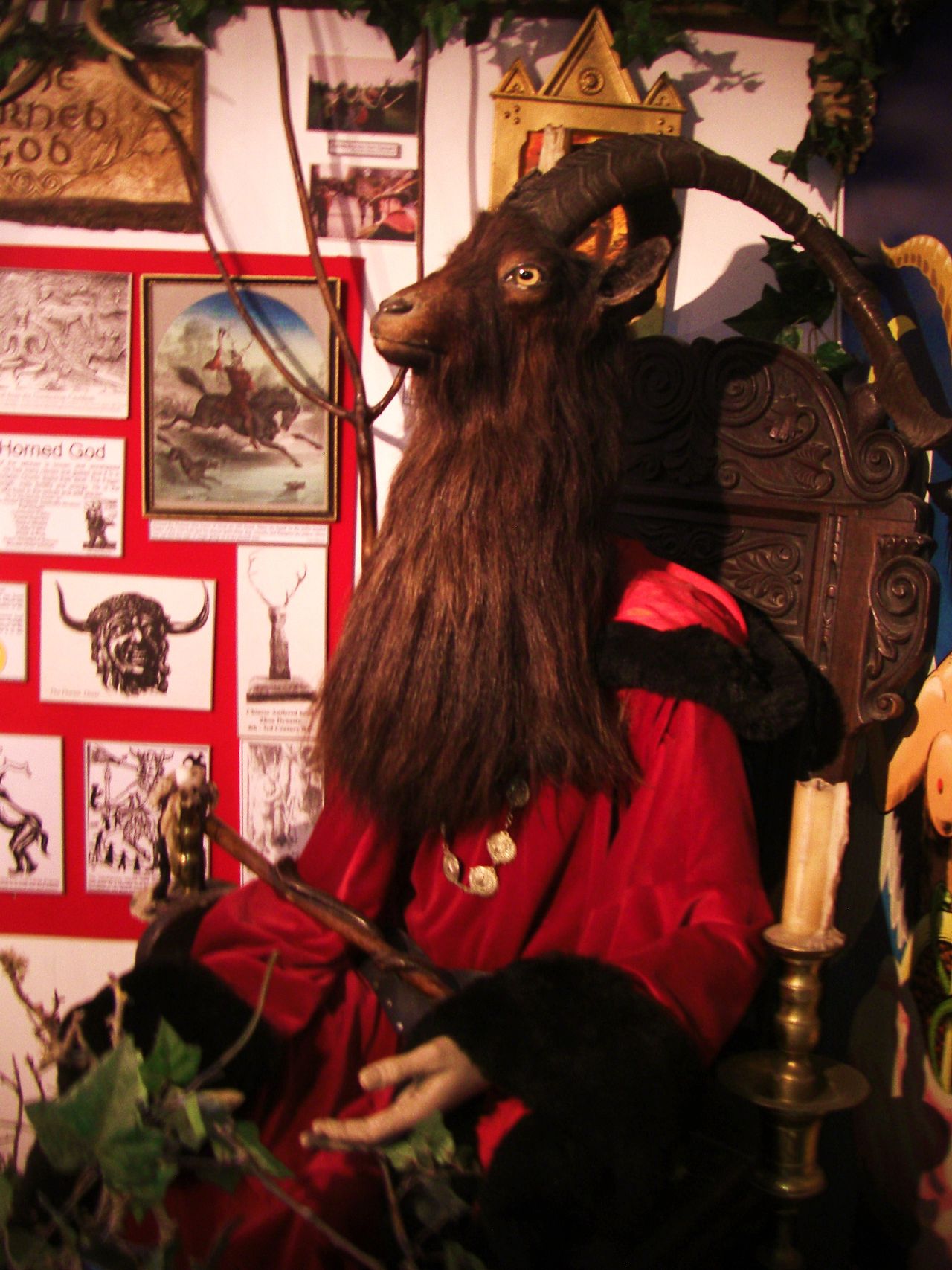
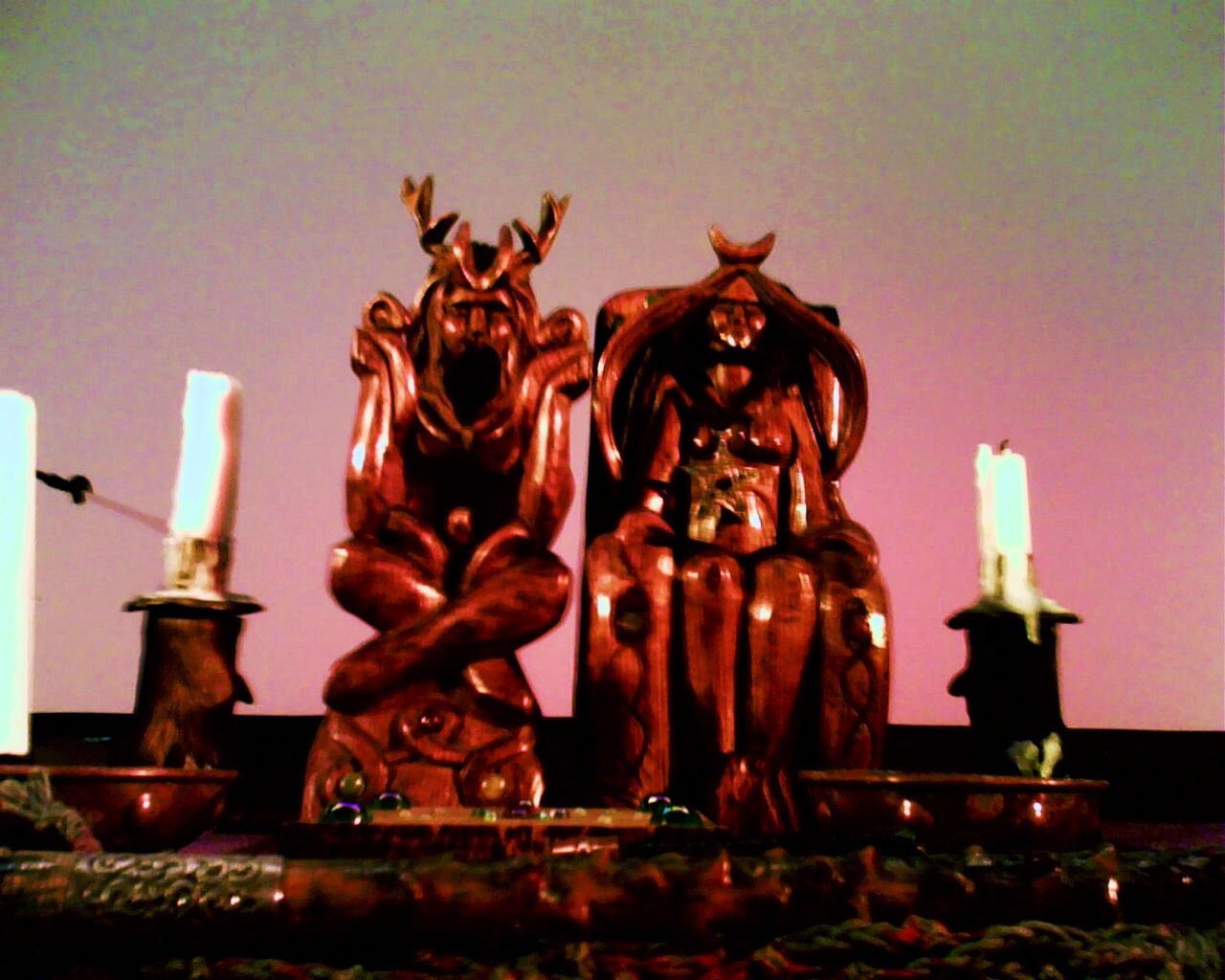
Wicca is a modern form of pagan belief that is usually classed as a religion. It emerged in the mid-to-late 1940s and is often described as part of the wider neo-pagan revival of the 20th century.
Image gallery
10 Images





Origins
The tradition most commonly associated with contemporary Wicca was developed and promoted by Gerald Gardner, a British occultist and author. Gardner brought the system to public attention through several books published in 1949, 1954 and 1959. These works included High Magic's Aid, Witchcraft Today and The Meaning of Witchcraft, which introduced many readers to the practices and ideas that shaped early Wiccan groups.
Name and terminology
Gardner used several labels for the belief system, referring to it at times as a "witch cult" and as "witchcraft." He also applied the terms "Wica" and, later, "Wicca" to its adherents. The word witch itself is related to older language forms: the term "wicca" appears in Old English with a meaning connected to witchcraft or a practitioner of magical arts. Followers of the modern movement are commonly called Wiccans.
Contemporary usage
Today the label Wicca functions as an umbrella for a variety of lineages and traditions that trace some part of their practice to Gardner's early formulations. Different groups emphasize diverse rituals, deities, and organizational structures, so Wicca covers a wide range of paths within contemporary paganism.
Questions and answers
Q: What is Wicca?
A: Wicca is a neo-pagan religion created by a British man named Gerald Gardner in the mid-to-late 1940s.
Q: Who popularized Wicca?
A: Gerald Gardner popularized Wicca through books of his that were printed in 1949, 1954, and 1959, namely High Magic's Aid, Witchcraft Today, and The Meaning of Witchcraft.
Q: What did Gardner call Wicca's followers?
A: Gardner called Wicca's followers the "Wica" (or "Wicca").
Q: What is the meaning of the word "Wicca"?
A: The word "Wicca" means "witch" in Old English.
Q: What were Wiccans called before the adoption of the name "Wicca"?
A: Before the adoption of the name "Wicca", Wiccans were sometimes called simply "the craft".
Q: What is Wicca used as now?
A: Wicca is used as an umbrella term for many different paths that have branched off from Gardner's original practices.
Q: What book did Gardner call his followers "Wicca" in?
A: Gardner called his followers "Wicca" in his 1959 book.
Tags
Related articles
Author
AlegsaOnline.com Wicca: Origins, Beliefs, and Contemporary Traditions Leandro Alegsa
URL: https://en.alegsaonline.com/art/107925
Sources
- worldcat.org : 44936549
- draknet.com : "Exegesis on the Rede"
- webradio.ca : Wicca music defined at WebRadio Canada
- radio3.cbc.ca : A Canadian Wicca Band at CBC Radio
- e-music.ca : Fans speak of emerging Genre
- torontomusicscene.ca : Toronto Music Scene Magazine
- unc.edu : The University of North Carolina at Chapel Hill - Wicca 101
- themismusic.com : Wiccan Music Creed at ThemisMusic.com
- religionlink.org : Wicca Moves Into The Mainstream