
Fertility: Biological, Demographic and Agricultural Perspectives
Fertility denotes the ability to produce living offspring or support growth. This entry describes biological fertility in humans and animals, soil fertility, measures, influences, history and practical implications.
Overview
Fertility is the capacity to generate living, reproducing offspring or to support biological growth. In animals and people this means the ability to conceive and bear young that survive to reproduce; in plants and crops the same word is used for soil that supplies nutrients and structure needed for healthy growth. The term is used in everyday language, science and public policy, and it overlaps with related concepts such as fecundity, reproductive health and agricultural productivity.
Image gallery
1 Image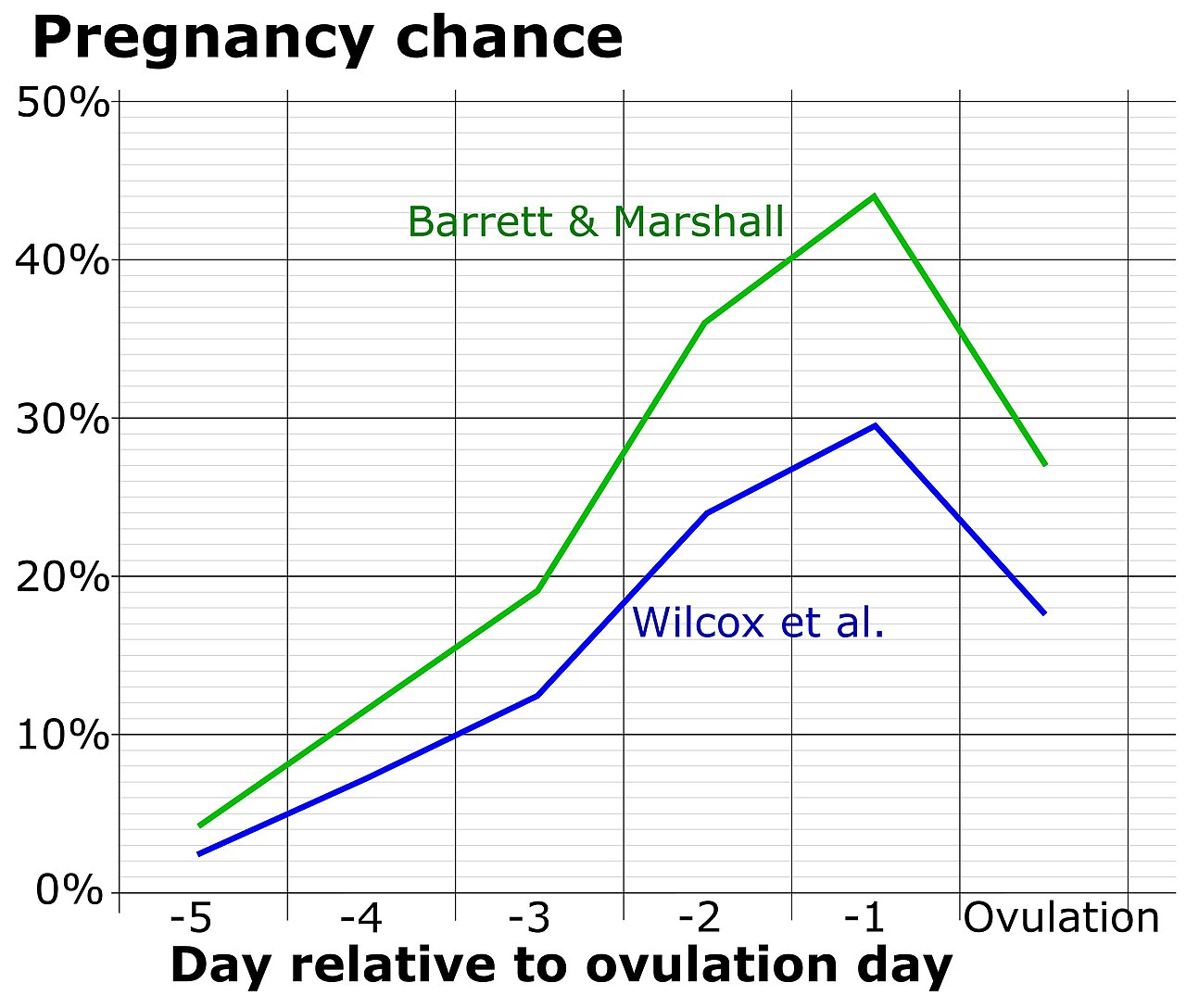
Biological aspects and definitions
Biologically, fertility refers to actual reproductive performance, whereas fecundity denotes the biological potential to reproduce (for example gamete production and the physiological ability to carry a pregnancy). Human fertility involves interactions among anatomy, hormones, timing of intercourse, gamete viability and pregnancy maintenance. Male and female contributions both matter: male fertility depends on sperm production and function; female fertility depends on ovulation, uterine environment and endocrine regulation. Infertility describes a reduced or absent ability to achieve pregnancy after a period of trying.
Measurement and demographic concepts
At the individual level fertility is judged by whether a person or couple can produce live offspring. At the population level demographers use measures such as the birth rate and the total fertility rate (the average number of children a woman would have over her reproductive lifetime under current age-specific birth rates). These measures help track population growth, aging and replacement. Fertility is shaped not only by biology but by sexual behavior, access to contraception and assisted reproduction, cultural norms and economic conditions.
Soil fertility and agricultural meaning
In agriculture the term describes a soil's ability to supply water, oxygen and essential nutrients for plant growth. Soil fertility depends on mineral content, organic matter, structure, pH and the activity of soil organisms. Farmers and gardeners manage fertility through practices such as crop rotation, application of fertilizers, green manures and soil amendments to maintain or restore productive capacity.
Influences, interventions and social importance
Human fertility is influenced by nutrition, health care, age of parents, sexual behavior, contraception, social norms and economic incentives. Public health measures, fertility treatments (like assisted reproductive technologies) and family planning services can alter fertility outcomes. Fertility levels have major social implications: they affect family size, labor supply, retirement systems and long-term population trends. In animals, fertility management is central to breeding programs, conservation and livestock production.
History, notable distinctions and facts
Historically the study of fertility has moved from anecdotal observation to systematic demographic analysis and reproductive medicine. Distinctions that matter in discussion include fertility versus fecundity (actual versus potential), individual versus population fertility, and biological fertility versus agricultural fertility. Contemporary debates often focus on trends in birth rates across regions, the ethics and access to reproductive technologies, and sustainable ways to manage soil fertility for food security.
Further reading and resources
- Definition and basic concepts
- Human reproductive biology overview
- Animal reproduction and breeding
- Parental roles and reproduction
- Population-level fertility
- Soil science and fertility
- Plant growth requirements
- Essential mineral nutrients
- Nutrient cycling in soils
- Metaphorical uses of "fertile"
- Fecundity versus fertility
- Gamete biology
- Pregnancy and gestation
- Gendered language in reproduction
- Reproductive mechanisms
- Male reproductive health
- Infertility: causes and definitions
- Nutrition and fertility
- Cultural influences on reproduction
- Biological instincts related to reproduction
- Endocrinology and reproductive hormones
- Economic factors and fertility decisions
- Emotional and social dimensions of fertility
This article provides a concise synthesis of core ideas about fertility across biology, demography and agriculture. For specific medical, demographic or agronomic guidance consult subject specialists or authoritative sources linked above.
Questions and answers
Q: What is fertility?
A: Fertility is the natural capability to give life. It is the capacity of an individual or population to produce viable offspring, meaning that they are able to live and reproduce.
Q: How is fertility rate measured?
A: Fertility rate is measured by the number of children born per couple, person or population.
Q: What factors influence human fertility?
A: Human fertility depends on factors such as nutrition, sexual behavior, culture, instinct, endocrinology, timing, economics, way of life and emotions.
Q: How does animal fertility differ from human fertility?
A: Animal fertility also has many complex mechanisms but may display astounding mechanisms that differ from humans.
Q: What does "fecundity" mean in relation to reproduction?
A: Fecundity refers to the potential for reproduction which can be influenced by gamete production, fertilisation and carrying a pregnancy to term.
Q: Is infertility considered a form of deficient fertility?
A: Yes, infertility is a form of deficient fertility.
Related articles
Author
AlegsaOnline.com Fertility: Biological, Demographic and Agricultural Perspectives Leandro Alegsa
URL: https://en.alegsaonline.com/art/34102
Sources
- anthro.fullerton.edu : Full text