
Prejudice: definitions, forms, causes, effects and responses
An overview of prejudice: what it means, how it develops, common forms, historical and legal contexts, social effects, and strategies to reduce biased attitudes and discrimination.
Overview
Prejudice is a preconceived opinion or feeling, often negative, formed without sufficient knowledge, reason, or actual experience. The word has linguistic roots in earlier meanings: it derives from Latin elements noted in older accounts and has been discussed in historical language sources (Latin root, old English senses). In everyday use the term most often refers to unfair attitudes toward people because of group membership rather than to reasoned judgement about an individual case.
Image gallery
2 Images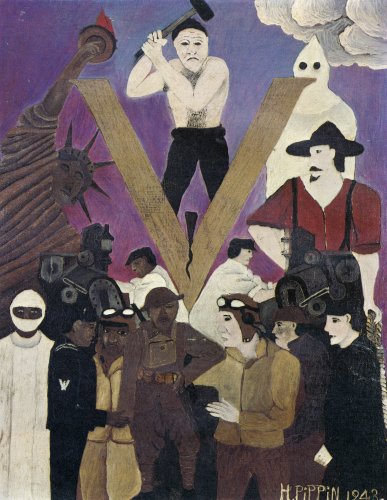

Characteristics and common forms
Prejudice typically involves a cognitive component (stereotypes), an affective component (hostile or negative feelings), and often a behavioral tendency (discrimination). Common targets and labels include:
- Racial prejudice — negative attitudes based on perceived race or skin color.
- Religious prejudice — biases directed at people because of religious beliefs or practices.
- National or ethnic prejudice — hostility toward people from other nationalities or ethnic groups.
- Other kinds include prejudice based on gender, sexual orientation, class, disability, age, or profession.
Origins and development
Prejudice can arise from multiple sources: socialization and cultural narratives, personal experience or lack of contact with other groups, perceived threat to resources or status, and cognitive shortcuts that simplify complex social information. Stereotyping reduces complex individuals to simple categories, which makes quick judgments easier but less accurate. Institutions and media can reinforce or challenge prejudices by the stories they tell and the policies they adopt.
Consequences and examples
When prejudice moves from private belief to public action it can produce discrimination, exclusion, and violence. Social harms include unequal access to employment, housing, education, and justice. In public life, prejudiced attitudes among decision-makers such as judges, jury members, or officials can compromise fairness; that is why impartiality is expected of roles like an adjudicator, a competition judge, or a juror. Left unchecked, prejudice can escalate into institutionalized discrimination (discrimination), social hatred (hatred), and in extreme historical cases contribute to conflict or war.
Distinctions and terminology
Writers and speakers sometimes blur related terms. Bias is a general tendency to favor or disfavor; stereotype denotes an oversimplified belief about a group; bigotry typically implies an entrenched and intolerant prejudice (bigotry). Careful discussion separates private attitudes from discriminatory actions and recognizes that not all implicit biases lead to overt harm, though they can influence behavior nonetheless.
Responses and reduction strategies
Efforts to reduce prejudice combine education, intergroup contact, legal protections, and institutional reform. Practical approaches include structured dialogue and cooperative projects, policies that promote equal opportunity and accountability, critical media literacy, and training that addresses implicit bias. Community programs that encourage meaningful cross-group interactions tend to be more effective than brief contact alone. Public institutions also adopt rules and codes to require impartiality and to remedy discrimination when it occurs.
Further reading and resources
For background and practical guidance see summaries from legal, psychological, and civic organizations; introductory discussions often explain the interplay between individual attitudes and social structures. For linguistic and historical notes on the term's origins consult sources on early English usage and Latin etymology (roots, historical senses), and for contemporary concerns follow civil rights and human rights materials that address discrimination, racial and religious bias, and remedies for institutional unfairness.
Related topics and links: nationality, social hostility, conflict, the role of judicial impartiality, duties of an adjudicator, standards in competitive judging, responsibilities of a juror, and discussions about bigotry.
Related articles
Author
AlegsaOnline.com Prejudice: definitions, forms, causes, effects and responses Leandro Alegsa
URL: https://en.alegsaonline.com/art/78718