
Deity: Concepts, Types, and Cultural Roles
A deity is a supernatural being regarded as divine or sacred. This article outlines definitions, attributes, historical development, major belief systems and cultural significance across traditions.
Overview
A deity is commonly understood as a powerful spiritual being or entity that is credited with influencing events and the nature of things. Many languages use the term god or goddess to describe such beings, and the adjective often applied to them is divine. The English word deity ultimately derives from Latin deus (female: dea). Concepts of deity appear in nearly every human culture and are central to how communities explain the world and derive moral guidance.
Image gallery
10 Images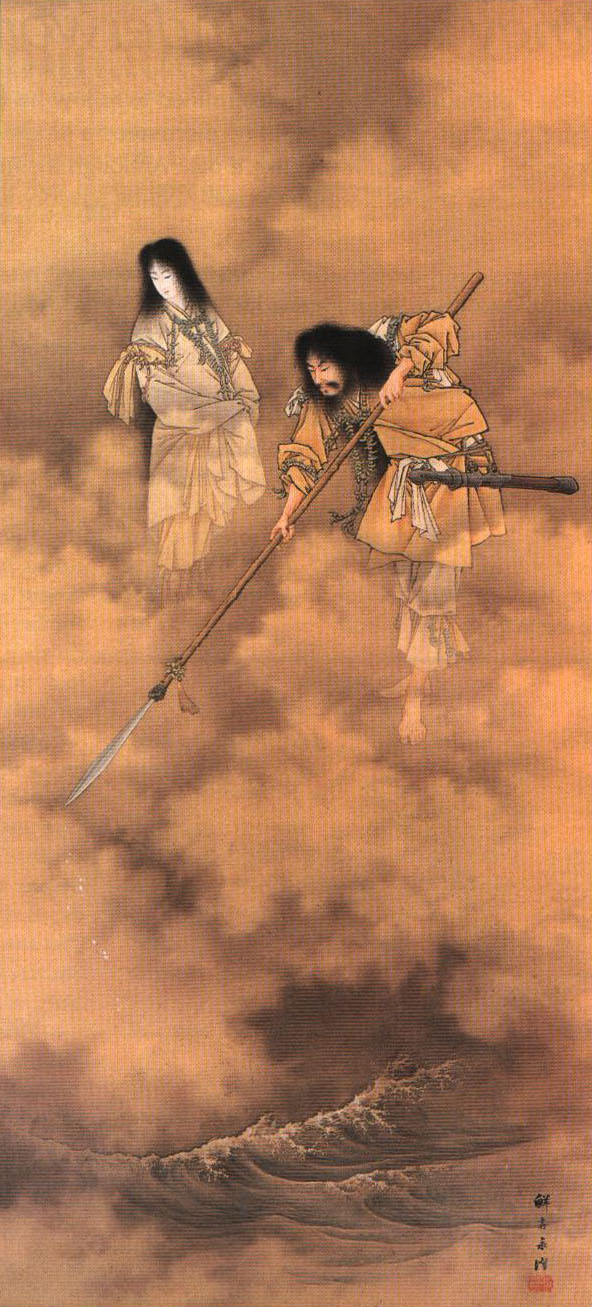


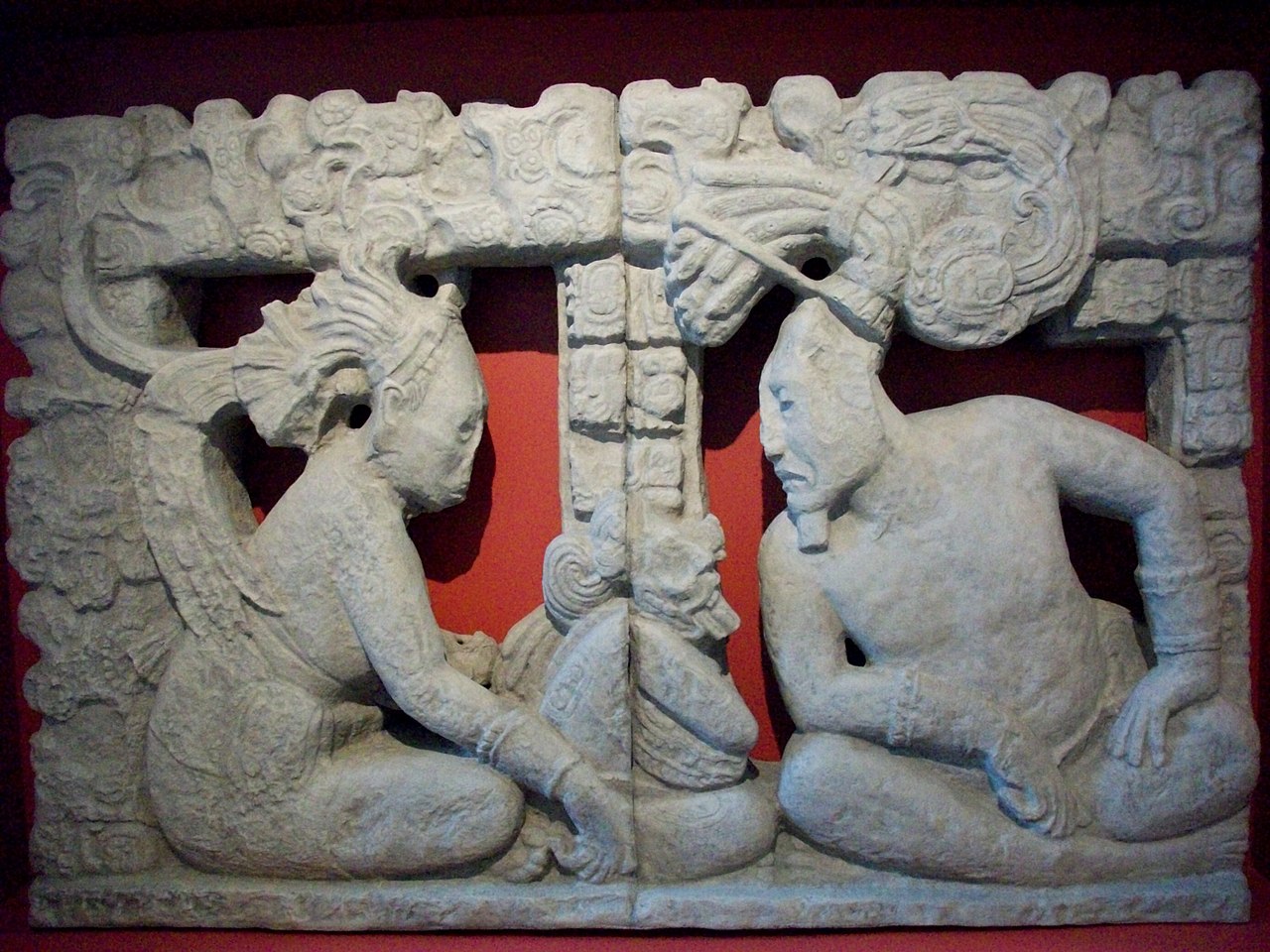

Attributes and roles
Deities are attributed a range of qualities and powers. In many traditions they are thought to be immortal, possess superior knowledge or strength, and act as creators, protectors, judges, or patrons of specific activities. At the same time, they may be represented as transcendent—existing beyond the physical world—or immanent—present within it as life, law, or force. Some common attributes include:
- Creative or ordering abilities, responsible for the origin or maintenance of the cosmos.
- Moral authority, providing rules, teachings, or models for human behavior.
- Specialized domains, such as fertility, war, healing, sea, or harvest, often linked to local needs.
- Ritual significance, demanding offerings, prayer, and ceremonies to secure favor or avert harm.
History and development
Ideas about deities have evolved with societies. Early human groups often conceived spirits tied to natural forces; over time, complex pantheons and mythologies formed in agrarian and urban civilizations. Philosophical reflection in antiquity examined whether divine beings acted like humans or operated by distant principles. With the spread of world religions and philosophical movements, concepts of deity diversified further and sometimes became more abstract or ethical in orientation.
Belief systems and distinctions
Religious traditions vary in how many deities they accept and what role a deity plays in the cosmos. Broad categories include:
- Polytheism: belief in multiple gods with distinct identities and functions, a common pattern in ancient Mediterranean, South Asian, and Indigenous religions (polytheism).
- Monotheism: belief in a single, supreme deity, as in many forms of Christianity and Islam where followers worship one God (monotheism).
- Deism: a philosophical stance that accepts a creator but denies frequent supernatural intervention, often emphasizing natural law (Deism).
- Pantheism: the view that the universe itself is divine or that the divine pervades all things (Pantheism).
- Atheism: the absence of belief in any deity or deities (Atheism).
Some people accept a deity as a distant cause that set the universe in motion but does not regularly intervene. Other positions mix elements from several categories or emphasize personal experience over doctrinal labels.
Cultural importance and examples
Deities shape rituals, art, law, and community identity. They appear in myths, festivals, architectural programs, and everyday practices—ranging from household shrines to state cults. Examples across history include complex pantheons with specialized gods, reform movements that centralized worship around a single deity, and philosophical traditions that reinterpreted divine attributes in ethical or metaphysical terms. Because beliefs about deities influence how societies understand life, death, and social order, they remain a central subject of study in history, anthropology, theology, and comparative religion.
Notable distinctions and contemporary relevance
While many people historically treated deities as literal beings with agency, modern perspectives often allow symbolic, psychological, or metaphorical readings alongside traditional ones. Debates persist about divine attributes such as omnipotence, benevolence, and knowledge. Across cultures, whether a deity is worshipped as an intimate protector or a distant principle affects religious practices, ethics, and political life. For accessible summaries and further reading on related topics see spirit and divinity and general surveys of religious systems around the world.
Further reading
For introductory and comparative treatments, consult surveys that cover myth, ritual, historical change and philosophical questions about the divine. Overviews and encyclopedic entries can help distinguish technical terms and trace how the idea of deity has been reshaped across time and cultures.
Related articles
Author
AlegsaOnline.com Deity: Concepts, Types, and Cultural Roles Leandro Alegsa
URL: https://en.alegsaonline.com/art/26331
Sources
- atheism.wikia.com : How many gods