
Afterlife: beliefs, traditions, and interpretations
Overview of beliefs about life after death across religions, philosophies, and cultures; common concepts, historical development, practices, and modern perspectives.
Overview
The afterlife refers to the idea that some aspect of a person continues in some form after physical death. This concept appears widely in religious teachings, philosophical systems, folklore and popular culture. Understandings vary: some describe a continued conscious existence, others a cyclical return in a new body, and some deny any post-mortem survival. For general background see additional resources.
Image gallery
8 Images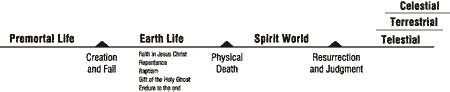



Common concepts
Across traditions several broad models recur. These include:
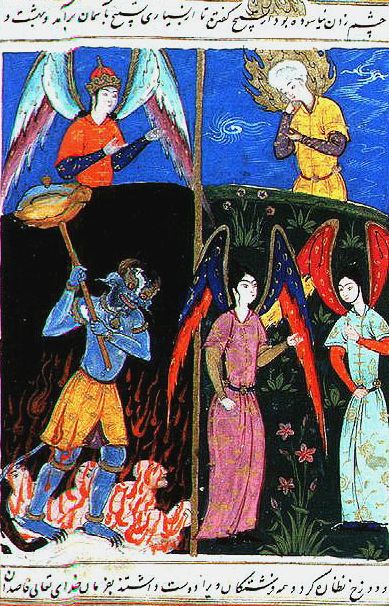
- Heaven and hell — moral reward or punishment as separate realms.
- Reincarnation — repeated births influenced by past actions.
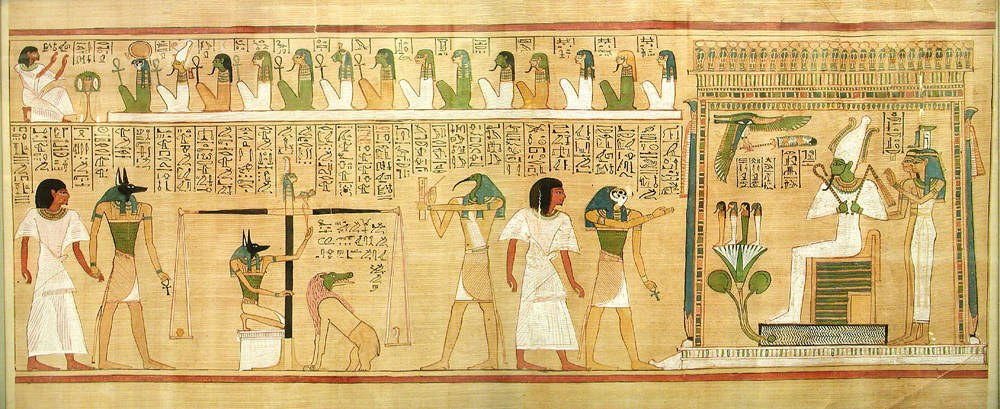
- Resurrection — bodily rising at a future time.
- Annihilation or extinction — permanent end of individual consciousness.
Religious and cultural variety
Religious traditions differ sharply about details and purpose. For example, many branches of Christianity emphasize resurrection and judgment, while Hindu and Buddhist frameworks commonly describe rebirth and karma. Indigenous and folk beliefs often combine ancestral presence with ritual obligations. Surveying religious perspectives highlights these contrasts and how they shape rituals around death.
Practices and social roles
Belief in an afterlife affects burial customs, mourning, ethics and law. Funerary rites—burial, cremation, offerings, memorials—express convictions about what follows death and support communal coping. Concepts of justice, charity and meaning are often tied to expectations about posthumous fate.
Philosophical and scientific perspectives
Philosophers have debated continuity of personal identity, the nature of consciousness, and whether claims about survival are coherent. Empirical science studies brain processes and does not provide evidence of consciousness beyond death; many scientists treat afterlife claims as metaphysical rather than empirical. Contemporary thought includes naturalistic, religious, and hybrid views.
Historical development and modern relevance
Ideas about the afterlife have evolved with theology, social change and contact among cultures. In modern times secularization, medical advances and interfaith exchange have diversified how societies imagine and respond to death. The afterlife remains a central theme in literature, art, law and personal belief, reflecting enduring human concerns about mortality and meaning.
Tags
Related articles
Author
AlegsaOnline.com Afterlife: beliefs, traditions, and interpretations Leandro Alegsa
URL: https://en.alegsaonline.com/art/1308
Sources
- himalayanacademy.com : himalayanacademy.com
- biblehub.com : John 14:6