
Scripture: Sacred Writings, Authority, and Religious Tradition
An overview of scripture as written texts regarded as authoritative in religious traditions, including origins, types, canonization, interpretation, and examples such as the Bible and Qur'an.
Overview
Scripture commonly denotes writings that a religious community regards as authoritative, normative, or inspired. The English word derives from the Latin scriptura, meaning "a writing" or "that which is written." In everyday use, "scripture" often refers to the canonical books of a tradition, but the term can also apply to other revered or foundational texts.
Image gallery
4 Images


Characteristics and forms
Scriptural works vary widely in form and function. Some are narrative histories, others poetry, law codes, hymns, prophetic speeches, or philosophical discourses. Many traditions treat scripture as conveying divine revelation, ethical instruction, liturgical material, or a combination of these. In practice, communities may value literal wording, the text's traditional interpretation, or its role within a wider living tradition.
Examples and traditions
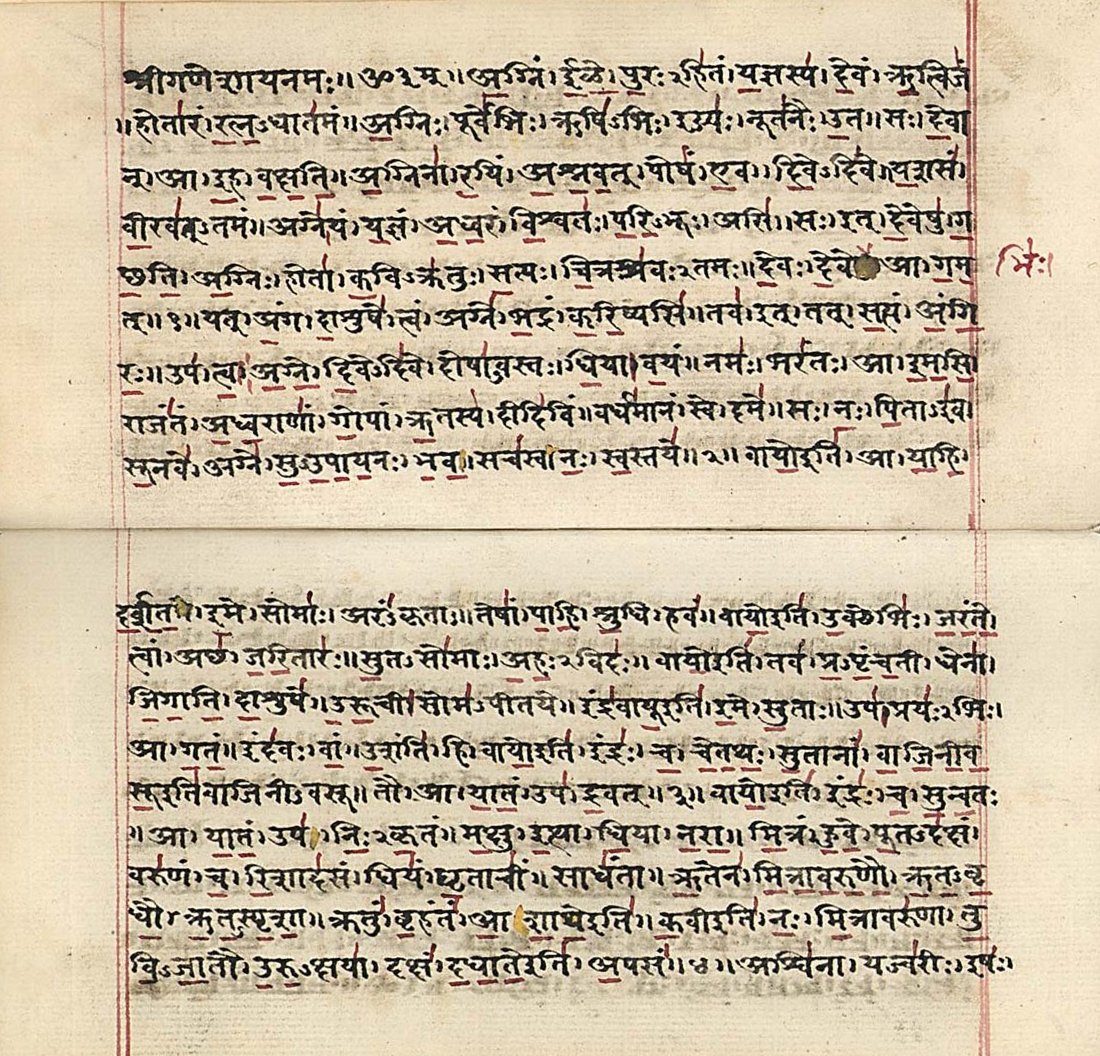
Different faiths identify different collections as scripture. For example, the term is commonly used for the Bible in Christianity. The word also applies to books regarded as sacred across religions. Major instances include the Jewish Torah, the Christian Bible, the Muslim Qur'an, and various Hindu texts often referred to collectively as Hindu scripture. More broadly, almost every religion recognizes some texts as especially central to belief and practice.
Development and canonization
Which writings become scripture is often the result of historical processes: collection, preservation, communal recognition, and sometimes formal canonization. Decisions about inclusion or exclusion reflect theological, liturgical, and social factors. In many traditions there are also secondary literature and interpretive bodies—commentaries, law codes, and devotional writings—that interact with the canonical texts.
Interpretation and use
Scriptures are used in worship, ethical teaching, legal reasoning, personal devotion, and communal identity formation. Approaches to interpretation range from literalist readings to allegorical, historical-critical, and contextual methods. Differences in interpretive practice can lead to varied religious expressions even around the same scriptural passages.
Notable distinctions
- Scripture vs. sacred texts: "Scripture" often implies recognized authority within a community; "sacred text" is broader and can include apocryphal or inspirational writings.
- Canonical vs. non-canonical: Canonical texts are those accepted as part of the official corpus; others may be valued without being canonical.
- Translation and transmission: Translation choices and textual transmission affect how scriptures are read and applied across languages and eras.
As living sources of meaning, scriptures continue to shape religious thought, moral debate, art, and public life. Their study crosses disciplines—history, philology, theology, and comparative religion—and remains central to understanding how communities remember, teach, and organize belief.
Related articles
Author
AlegsaOnline.com Scripture: Sacred Writings, Authority, and Religious Tradition Leandro Alegsa
URL: https://en.alegsaonline.com/art/88222