
Baphomet: history, symbolism, and cultural influence
Baphomet is a contested name and image first attested in medieval trial records and later reshaped by 19th‑century occultists into a goat‑headed symbol used in modern occultism, Satanism, and popular culture.
Overview. Baphomet is a name and icon that has carried shifting meanings from the Middle Ages to the present. It first appears in medieval legal records and later became central to modern occult imagery. Over time Baphomet has been interpreted variously as a misunderstood foreign name, a fabricated charge in religious trials, an esoteric emblem of balance, and a provocative symbol adopted by occultists, Satanists, artists and popular culture.
Image gallery
8 Images



Medieval references and contested origins
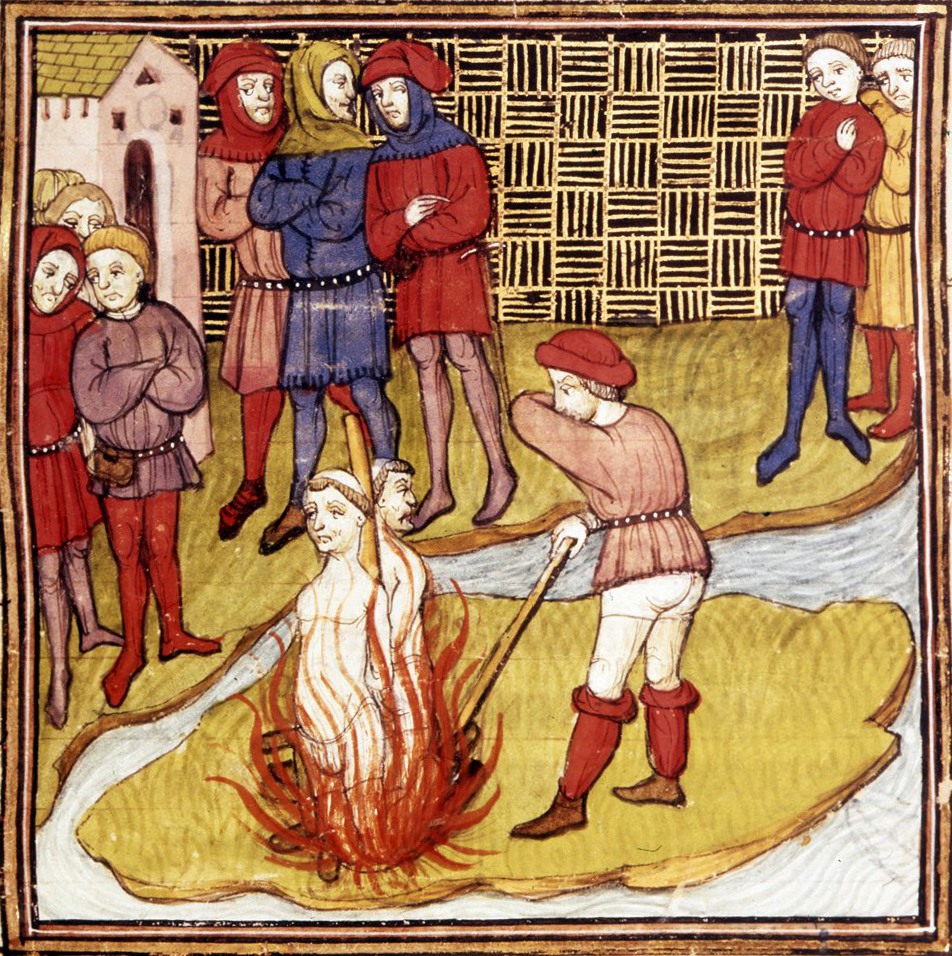
The earliest known uses of the word occur in trial transcripts from the early 1300s concerning the Knights Templar. During the suppression of the order, some arrested Templars were accused of worshiping an entity or image called "Bafomet". These accusations formed part of broader charges of heresy, including alleged denials of Christ and offensive gestures such as spitting on the cross. Many historians emphasize that confessions from these trials were frequently extracted under duress and the political context—rivalry with the Templars—makes the reliability of the records problematic.
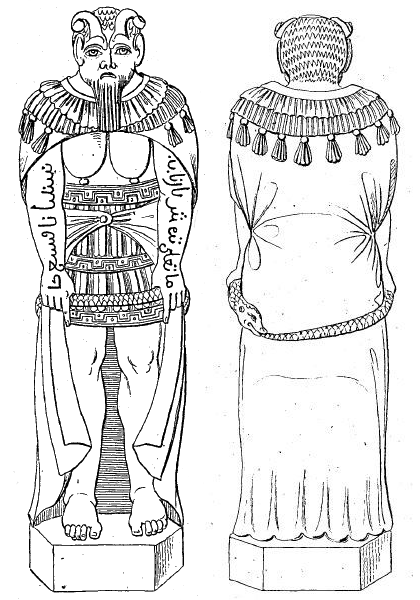
Scholarly proposals about the word's origin vary. One common hypothesis is that "Baphomet" represents an Old French or corrupted form of "Mahomet" (a medieval Western name for Muhammad), reflecting misunderstandings and anti‑Islamic sentiment in Crusader Europe; others treat the term as a mistranscription or as a deliberately invented accusation. The debate remains cautious because documentary evidence is limited.
19th‑century occult reinterpretation
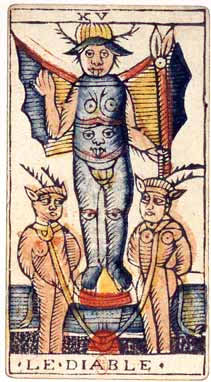
In the 1800s the occult revival reframed Baphomet entirely. French esotericist Eliphas Lévi portrayed Baphomet as a symbolic figure embodying the reconciliation of opposites: male and female, human and animal, light and dark. Lévi's drawing depicted an androgynous, winged figure with a goat's head, breasts, a torch between its horns, and gestures combining masculine and feminine elements. Lévi described this image within his broader occult philosophy as an emblem of equilibrium and the pursuit of a transcendent unity rather than as a literal demon.
Iconography, the Sigil, and modern groups
From Lévi's illustration developed several related emblems. The Sigil of Baphomet, a goat's head inscribed within an inverted pentagram, became closely associated with 20th‑century Satanic movements. Today the inverted pentagram with a goat's head is widely recognized and is used by the Church of Satan as an identifying logo. The image also appears frequently in popular culture, notably within heavy metal music and visual art; bands like Slayer and Venom used similar imagery, helping to cement its public associations with rebellion and anti‑religious sentiment.
Cultural impact, controversies, and uses
Baphomet functions in several overlapping arenas: as a subject of academic inquiry into medieval accusations and language; as a symbol in occult and esoteric traditions; as a provocative emblem for some Satanic or anti‑religious movements; and as an aesthetic motif in music, fashion and visual arts. Its adoption has also fueled controversies: in the nineteenth and twentieth centuries anti‑Masonic writers sometimes asserted a link between Freemasonry and Baphomet, and some evangelical Christians and other religious groups have continued to view Masonic and occult imagery with suspicion. Accusations that groups secretly worship Baphomet are a recurring theme in anti‑Masonic and conspiracy literature.
Scholarly perspective and notable facts
Modern historians and scholars of religion treat Baphomet as a layered phenomenon: a contested medieval term preserved in biased court records, reimagined by nineteenth‑century occultists, and popularized in the twentieth century as a clear symbol of Satanism and counterculture. While the precise medieval meaning remains uncertain, the figure's later symbolic life is well documented. For further background see contemporary studies of the Middle Ages, research on the suppression of the Templars and analyses of modern occult movements. Additional resources discuss the interplay between Baphomet imagery and claims against Freemasonry, and trace how visual motifs moved into mainstream culture.
- Primary medieval attestations: trial transcripts and chronicles.
- Key modern reinterpretation: depiction by Eliphas Lévi in the 19th century.
- Contemporary uses: occult practice, Satanic organizations (see Church of Satan), music and popular culture (see heavy metal, Slayer, Venom).
- Related topics: language transmission (Old French), medieval Christian‑Muslim perceptions (Muhammad), and the politics of heresy accusations (heresy).
Because Baphomet has been repurposed repeatedly, any account must distinguish between medieval records, nineteenth‑century esotericism and modern cultural practices to avoid conflating historically separate phenomena.
Further reading: accusations in trial records · Knights Templar background · occult symbolism · anti‑Masonry claims
Related articles
Author
AlegsaOnline.com Baphomet: history, symbolism, and cultural influence Leandro Alegsa
URL: https://en.alegsaonline.com/art/8821