
Olive (fruit): biology, processing, uses, and cultural significance
Comprehensive overview of the olive (Olea europaea): its botany, varieties, curing and oil production, culinary and economic uses, history, and cultural meanings.
The olive (Olea europaea) is the small fruit of the olive tree, a long-lived evergreen shrub or tree cultivated primarily across the Mediterranean basin and in other regions with similar climates. Olives are valued both for their flesh, eaten as table fruit after processing, and for the oil pressed from them. The fruit and its oil have shaped diets, economies and cultures for millennia: they are central to Mediterranean cuisine, have significant nutritional properties, and are produced commercially on a large scale.
Image gallery
10 Images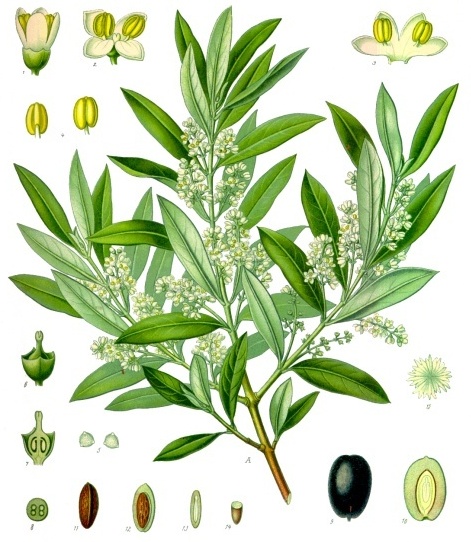




Botany and characteristics
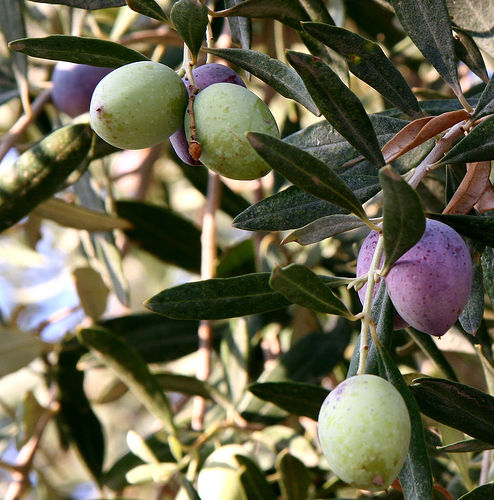
Olives grow on trees that may live for hundreds of years. The fruit is a drupe with a single pit; depending on variety and ripeness it ranges in color from green to purple to black. Olives contain a high proportion of oil in their mesocarp and skin, composed mainly of monounsaturated fatty acids such as oleic acid. Fresh, unprocessed olives are naturally very bitter because they contain phenolic compounds, notably oleuropein. The size, shape, flesh-to-stone ratio, flavor and oil yield vary widely among cultivars.
Processing and culinary uses
Because of their bitterness, most olives undergo curing or fermentation before consumption. Methods include brine fermentation, lye treatment, dry-salting and water curing; the chosen method affects texture, flavor and shelf life. Olive oil is produced by crushing and pressing or centrifuging the fruit to separate oil from water and solids. Extra virgin olive oil refers to oil extracted by mechanical means and meeting quality criteria for acidity and sensory attributes. Table olives are eaten as snacks, appetizers or ingredients in salads, sauces and cooked dishes; olive oil is used for cooking, dressings and finishing dishes.
History, cultivation and economic importance
Olive cultivation dates back several thousand years, with archaeological and historical evidence linking its domestication to the Mediterranean region. Olive trees are suited to hot, dry summers and mild, wet winters and are widely cultivated in southern Europe, northern Africa, the Middle East and other Mediterranean-climate regions. Olives and olive oil have been important trade goods and staples in traditional diets; today olive oil remains a valuable agricultural commodity with global markets and regional designations of origin for quality assurance.
Varieties and notable distinctions
There are hundreds of cultivated olive varieties, often selected for oil yield, disease resistance or eating quality. Some cultivars are primarily oil-producing, others are grown for table use, and some are dual-purpose. Well-known table cultivars include Kalamata and Manzanilla; well-regarded oil cultivars include Picual, Arbequina and Koroneiki. Flavor profiles range from mild and buttery to robust and peppery, influenced by cultivar, ripeness at harvest and processing.
Nutrition and health aspects
Olives and olive oil are calorie-dense due to their fat content, but the fat is largely monounsaturated and has been associated with beneficial effects on heart health when used to replace saturated fats. Olive oil also contains minor components such as polyphenols and vitamin E, which contribute antioxidant activity and flavor. Nutrition recommendations emphasize balance: olive oil can be a healthful part of a diet when consumed in sensible amounts.
Cultural and symbolic importance
The olive branch and the olive tree carry symbolic meanings in many cultures, often associated with peace, prosperity and longevity. Olive oil has ceremonial and religious uses in several traditions, and ancient literature and iconography frequently depict olive cultivation and oil production. The tree’s longevity and the central role of the fruit in traditional life have given the olive a special cultural status across regions where it has been cultivated.
Practical considerations and preservation
- Storage: Olive oil is sensitive to light, heat and oxygen; it keeps best in a cool, dark place in a tightly sealed container.
- Table olives: Cured olives are typically stored in brine or oil to preserve flavor and texture.
- Cooking: Extra virgin olive oil is prized for dressings and low-to-medium heat cooking; refined oils may be used where higher smoke points are needed.
For further information and specific resources on varieties, cultivation techniques, olive oil standards and culinary uses, see the links below:
- General overview of the olive fruit
- Information on the olive tree (Olea europaea)
- Olives as a food crop
- Mediterranean agriculture and olives
- Mediterranean climate and olive cultivation
- Olive oil production and types
- Comparisons of common cooking oils
- Cooking oil categories and uses
- Vegetable oils comparison
- Classical references to the olive in Roman literature
- Religious symbolism of the olive
- Symbolic meanings associated with olives
- Biblical associations and stories
- Doves and olive branches in symbolism
- The olive branch motif
- Flood narratives and cultural symbols
- Microbial fermentation in olive curing
- Phenolic compounds in olives
- Kalamata olives and regional varieties
- Greece and traditional olive cultivation
Note: The curing, processing and culinary treatment of olives differ widely by region and tradition; the brief overview above summarizes common practices and widely observed characteristics without exhaustive technical detail.
Related articles
Author
AlegsaOnline.com Olive (fruit): biology, processing, uses, and cultural significance Leandro Alegsa
URL: https://en.alegsaonline.com/art/72386