
Orange flower water (orange blossom water)
A fragrant hydrosol made by distilling orange blossoms; used in cooking, perfumery, and traditional rituals across North Africa, the Middle East and Europe.
Overview
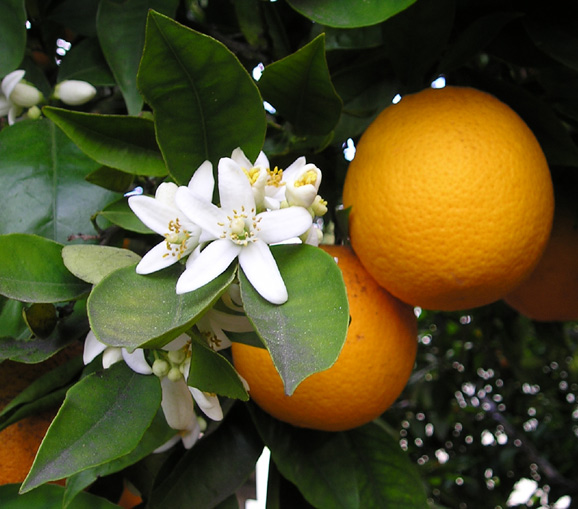
Orange flower water, often called orange blossom water, is a fragrant hydrosol obtained during the distillation of orange blossom petals. The distillation process yields a small amount of essential oil and a larger aromatic water that captures water‑soluble floral notes. It is commonly produced from bitter orange (Citrus aurantium) blossoms and appears across culinary and cultural traditions in Mediterranean, North African and Middle Eastern regions. distillate and the raw botanical source are both central to its identity: the flowers of the bitter orange tree are the most frequent starting material.
Image gallery
2 Images
Production and characteristics
Producers steam or hydrodistill fresh blossoms. The essential oil (neroli) separates as tiny droplets while the remaining floral water is collected as orange flower water. This hydrosol is pale, lightly aromatic, and less intense than essential oil, making it suitable for culinary use. It usually carries a sweet, honeyed floral aroma with subtle citrus undertones.
Culinary and cultural uses
Orange flower water is a traditional ingredient in many cuisines. In the Middle East it flavors confections, milk‑based drinks and pastries; in North Africa it perfumes wedding foods and celebratory breads. It is also used in some European baking recipes and in syruping desserts. Beyond food, it appears in cosmetics, toiletries and folk remedies because of its pleasant scent and soothing character.
- Common culinary uses: pastries, syrups, sherbets, custards and rice puddings.
- Non‑culinary uses: perfumes, facial tonics and ceremonial fragrances.
Differences, tips and notable facts
Orange flower water should be distinguished from neroli oil: neroli is a concentrated essential oil while orange flower water is the diluted hydrosol. A little goes a long way in cooking; recipes typically call for teaspoons rather than tablespoons. Store it tightly sealed and kept cool. For regional context and recipes, see resources on Middle Eastern and North African culinary traditions.
Related articles
Author
AlegsaOnline.com Orange flower water (orange blossom water) Leandro Alegsa
URL: https://en.alegsaonline.com/art/72942