
Olive tree (Olea europaea)
Olea europaea, the olive tree, is an evergreen Mediterranean tree valued for its fruit, oil, wood and cultural significance. It is drought‑tolerant, long‑lived, and adapted to rocky, calcareous soils in coastal climates.
Overview
The olive tree (Olea europaea) is a small to medium evergreen tree or large shrub widely associated with the Mediterranean basin. Cultivated for millennia for its fruit and the oil extracted from it, the olive is also grown for timber, shade and landscape use. Many varieties are selected for oil production, others for table olives.
Image gallery
10 Images



Characteristics and parts
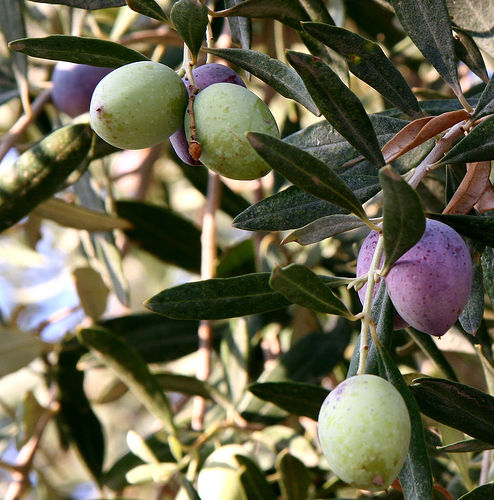
Olive trees have narrow, leathery leaves and bear small, fragrant flowers that develop into oval fruits commonly called olives. The fruit contains a single hard pit and yields oil when pressed. Trees are noted for their gnarled trunks, slow growth, deep root systems and remarkable longevity. Cultivars differ in size, yield, oil quality and ripening time.
Origin and historical spread
Wild ancestors of the cultivated olive arose in the eastern Mediterranean coastal region, including areas now known as Syria, parts of Asia Minor and northern Iran near the southern edge of the Caspian Sea. Human selection and grafting began thousands of years ago; ancient peoples such as the Ancient Greeks played a major role spreading olives westward around the Mediterranean, where the tree became central to diet and economy.
Uses and importance
- Oil production: Olive oil is a staple in Mediterranean cuisine and valued for culinary and non culinary uses.
- Table fruit: Many cultivars are processed into cured or brined olives.
- Cultural role: Olives and olive branches symbolize peace, victory and continuity in many cultures.
- Other uses: Wood for carving, biomass and ornamental planting.
Habitat and cultivation
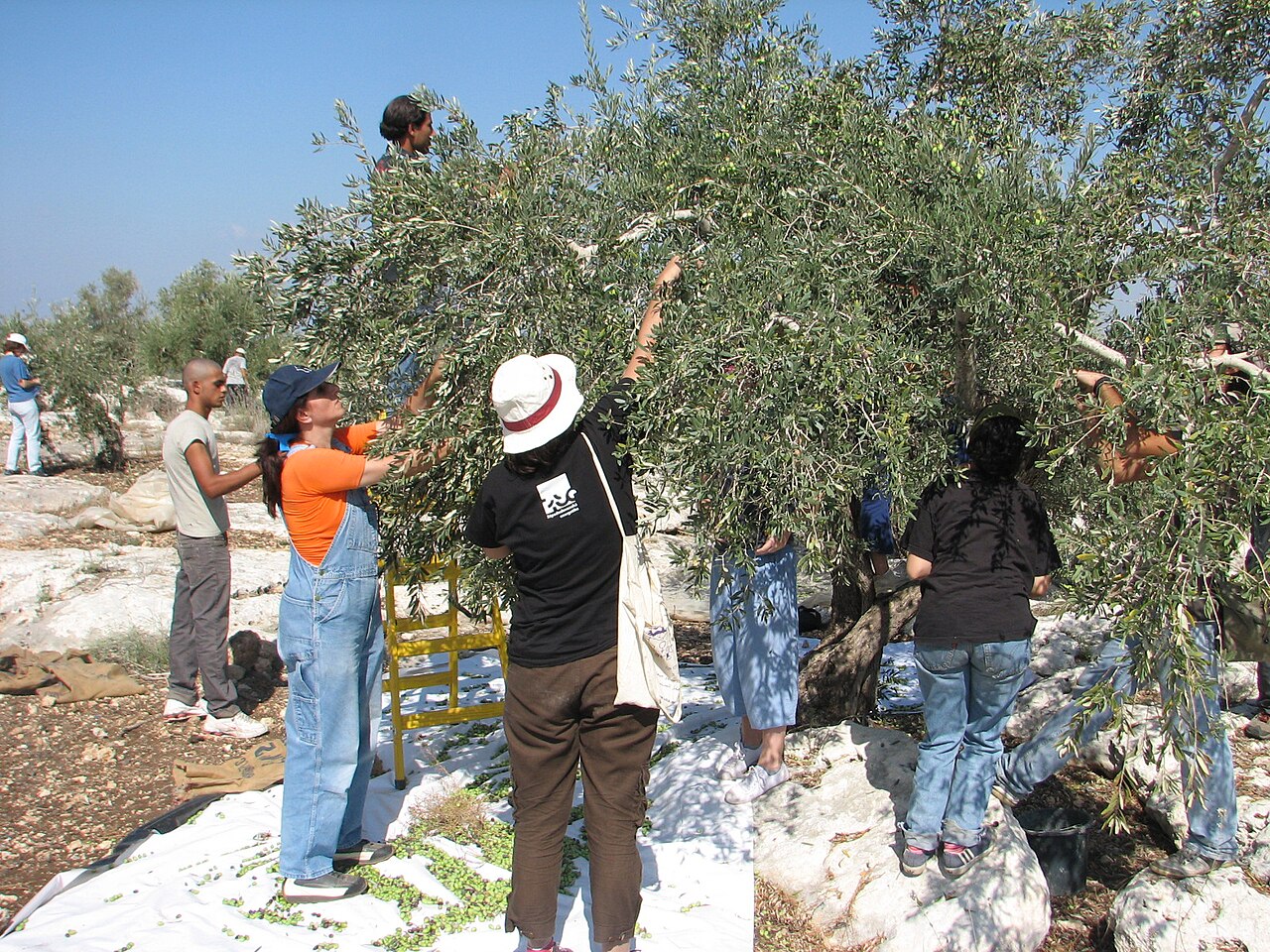
Olives prefer well drained, often calcareous soils and survive in dry, rocky environments. They commonly grow on limestone slopes and crags and tolerate soils high in chalk. A Mediterranean or maritime exposure—mild winters and dry summers—is ideal; coastal or coastal climates moderate extremes. Cultural practices include pruning, grafting and irrigation where rainfall is insufficient. Olive groves may face threats from pests and diseases, and modern agriculture balances tradition with phytosanitary measures.
Notable facts and distinctions
Olive trees are remarkable for their longevity; some ancient specimens remain living and productive. Varietal diversity provides a wide range of flavors and uses. Sustainable management of groves supports biodiversity and landscapes long associated with human settlement. For practical guidance on planting, varieties and care see resources linked to this article via soil and local cultivation guides (overview).
Questions and answers
Q: What is the scientific name of the olive tree?
A: The scientific name of the olive tree is Olea europaea.
Q: Where did the olive tree originate from?
A: The olive tree originated from the coastal areas of the eastern Mediterranean, specifically Syria and the maritime parts of Asia Minor and northern Iran at the south end of the Caspian Sea.
Q: Who farmed the olive tree a long time ago?
A: The Ancient Greeks farmed the olive tree a long time ago.
Q: Where did the Ancient Greeks spread the olive trees to?
A: The Ancient Greeks spread the olive trees to the western part of the Mediterranean.
Q: What type of soil do olive trees prefer?
A: Olive trees prefer soil with lots of chalk in it.
Q: Where do olive trees grow best?
A: Olive trees grow best on limestone slopes and crags in coastal climates.
Q: How long has the olive tree been farmed?
A: The olive tree has been farmed for a very long time.
Related articles
Author
AlegsaOnline.com Olive tree (Olea europaea) Leandro Alegsa
URL: https://en.alegsaonline.com/art/72391