
Crop (cultivated plant)
A crop is a plant intentionally grown and managed by people for food, fibres, medicines or other products; this article explains types, history, cultivation and significance.
Overview
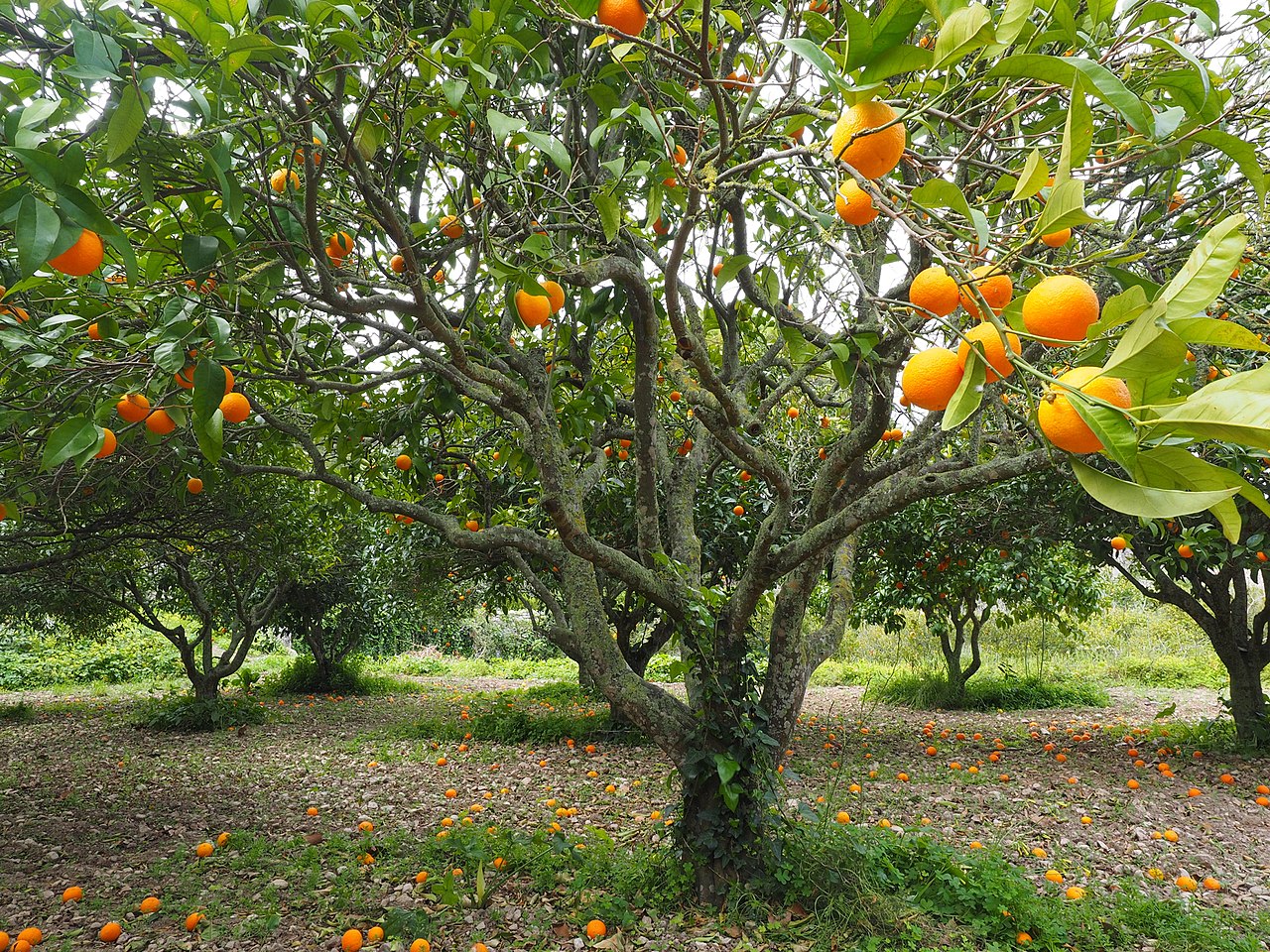
A crop is any plant intentionally raised and managed by farmers or growers for human use. Crops supply the majority of food consumed worldwide and also provide raw materials such as cotton, rubber and wood. Most crop production takes place on dedicated farms, and many important varieties are domesticated forms of wild plants that have been changed by human selection over centuries.
Image gallery
8 Images




Types and characteristics
Crops are commonly grouped by their primary use or botanical type. Common categories include:
- Cereals and grain crops (for example wheat, rice, maize) that form global calorie staples.
- Vegetables and fruit cultivated for vitamins, minerals and fresh consumption.
- Legumes and oilseeds used for protein and cooking oil.
- Root and tuber crops such as potatoes and cassava that support local food security.
- Industrial and medicinal crops, including plants grown for drugs or extracts such as quinine.
History and development
The transition from foraging to farming began when people began to manage wild species, selecting traits such as larger seeds, reduced seed dispersal and improved taste. Over millennia, farmers used selection and breeding to create the crops known today. In the 20th century, advances in agronomy and plant breeding greatly increased yields; however, many regions still rely on traditional varieties for resilience.
Cultivation practices and challenges
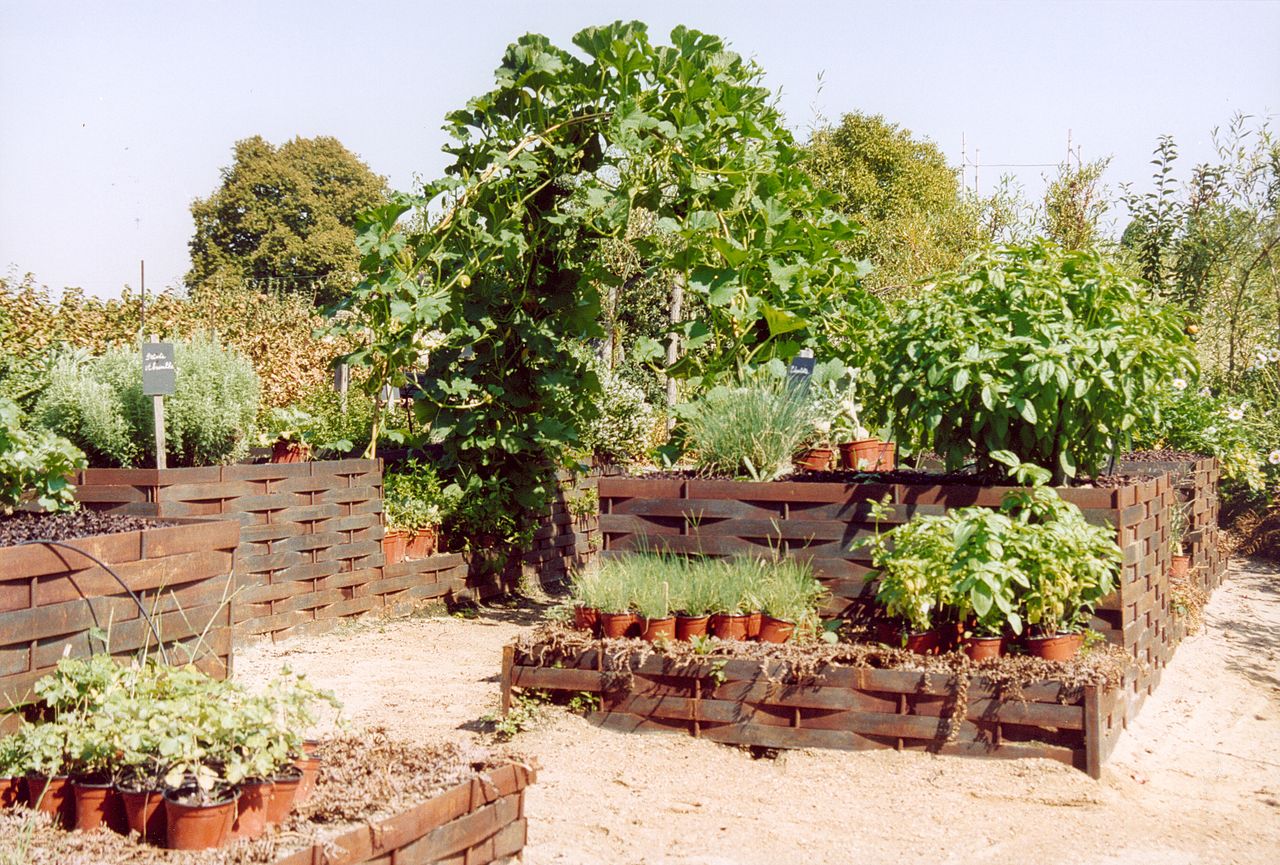
Modern cropping systems range from small-scale mixed gardens to large-scale monocultures. Monoculture, where a single crop species dominates a field, can simplify management but increase vulnerability to pests and diseases; monoculture systems are often balanced with practices such as crop rotation, intercropping and integrated pest management. Staple crops are evaluated not only by yield but by nutritional contribution measured in kilocalories and other nutrients.
Uses, examples and significance
Crops serve multiple roles: direct human food, animal feed, textile fibers, construction materials, bioenergy and pharmaceuticals. For example, cotton supplies textile fiber, rubber trees supply latex for industrial uses, and medicinal plants provide sources of traditional and modern drugs. Economically, crops are central to rural livelihoods and national trade, and they shape landscapes and ecosystems.
Notable distinctions
Key distinctions include subsistence versus cash crops, annual versus perennial crops, and domesticated varieties versus wild relatives. Sustainable cropping aims to maintain soil health, conserve biodiversity and adapt to climate change while meeting human needs. For further reading on specific crops and practices consult a general agriculture resource or local extension services (see farmers and farms for practical guidance).
Related articles
Author
AlegsaOnline.com Crop (cultivated plant) Leandro Alegsa
URL: https://en.alegsaonline.com/art/24301