
Vegetable oil: composition, types, uses, and environmental issues
Overview of plant-derived oils: chemistry, common varieties (olive, palm, soybean, sunflower, rapeseed, peanut, maize), culinary and industrial uses, health considerations, production and sustainability.
Overview
Vegetable oils are liquid fats obtained from seeds, fruits, or other plant parts. Chemically they are predominantly triglycerides, molecules made of glycerol bound to three fatty acids, and they are produced from a range of plants. These oils serve many roles in modern life: as cooking fats and salad dressings in food, in industrial formulations, and historically as fuel for oil lamps before widespread use of kerosene and electricity.
Image gallery
4 Images

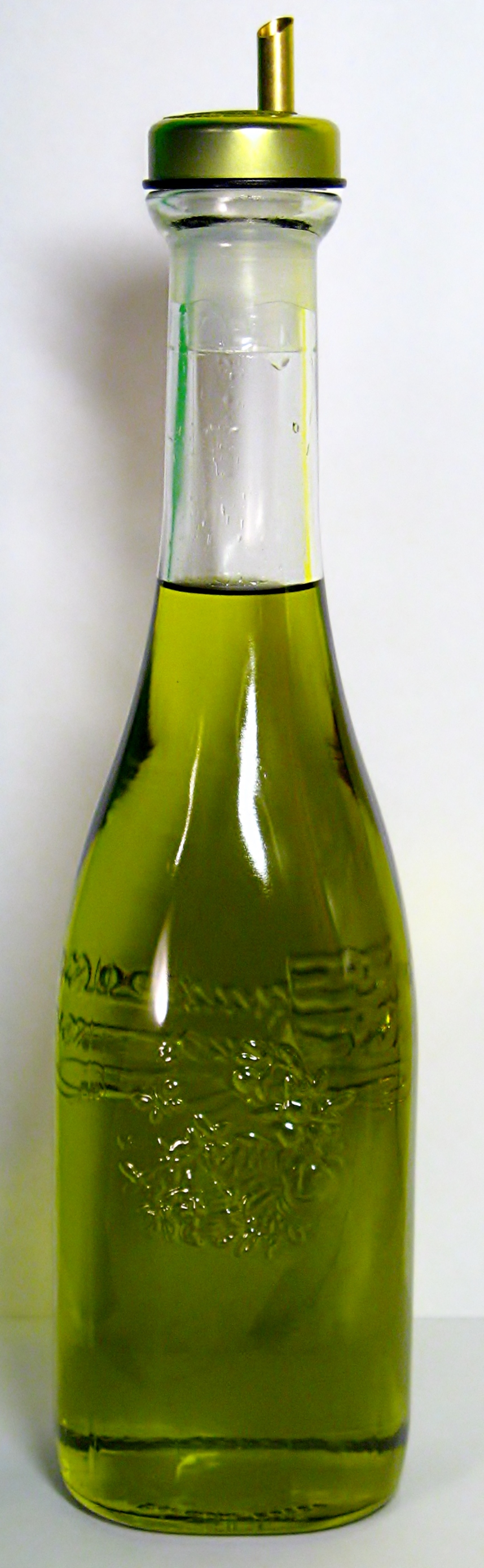

Common types and characteristics
Major commercial vegetable oils include palm oil, maize (corn) oil, olive oil, peanut oil, rapeseed oil (often sold as canola), sunflower oil, and soybean oil. Oils vary by fatty acid profile: some are high in monounsaturated fats (olive), others in polyunsaturated fats (sunflower, soybean), and some contain more saturated fats (palm). These differences influence flavor, shelf life, and the smoke point used in frying.
Production and processing
Vegetable oil is typically extracted by mechanical pressing or by solvent extraction, then refined to remove impurities. Less processed forms — labelled as cold-pressed or extra-virgin for particular crops like olive — retain more flavor and minor nutrients. Industrial processing can include hydrogenation to solidify oils for spreads; that process historically produced trans fats and has been reduced or avoided in many markets.
Uses and examples
- Culinary: frying, baking, dressings and as ingredient in sauces.
- Food manufacture: margarine and shortenings — for example, margarine is produced from vegetable oils as an alternative to dairy butter.
- Industrial: biodiesel feedstock, soaps, cosmetics and lubricants.
Health, quality and storage
Nutritionally, replacing saturated animal fats with unsaturated vegetable oils can be beneficial for heart health, but oxidised or repeatedly heated oils can form harmful compounds. Oils should be stored in cool, dark places and used according to their smoke point and flavor profile.
Environmental and economic considerations
Some oil crops, notably palm, have been linked to deforestation, habitat loss and social impacts when cultivated unsustainably. Crop choice, yield per hectare and local practices strongly affect the environmental footprint. Certification schemes and improvements in agricultural practice aim to reduce negative consequences while meeting global demand.
For further technical or historical detail see sources and guides linked below.
Related topics: triglyceride chemistry, plant oil crops, food uses, lamp fuel history, palm, maize, olive, peanut, rapeseed, sunflower, margarine, butter alternatives.
Related articles
Author
AlegsaOnline.com Vegetable oil: composition, types, uses, and environmental issues Leandro Alegsa
URL: https://en.alegsaonline.com/art/104457