
Omelette (omelet): an egg-based cooked dish
An omelette is a quick-cooked dish of beaten eggs folded around fillings such as cheese, vegetables or meats. It appears in many cuisines with regional styles like French, Spanish, Italian and Japanese.
Overview
An omelette is a simple food prepared by beating eggs and cooking them in a hot pan until they set. Most recipes rely primarily on eggs, often with a little butter or oil, and they may include a wide range of fillings and seasonings. In many places, particularly the United States, omelettes are commonly served at breakfast, but they are equally appropriate for lunch or a light dinner.
Image gallery
10 Images


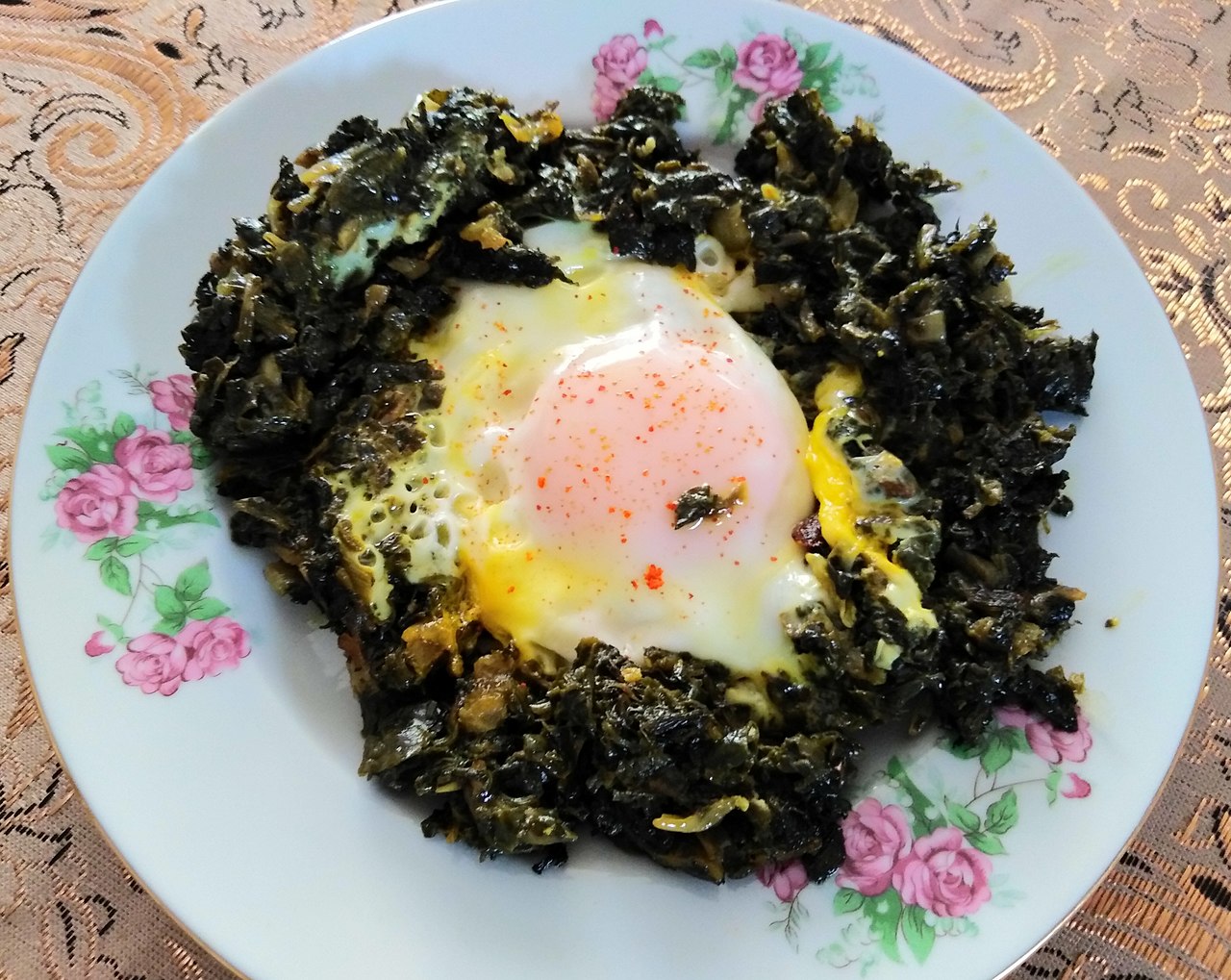


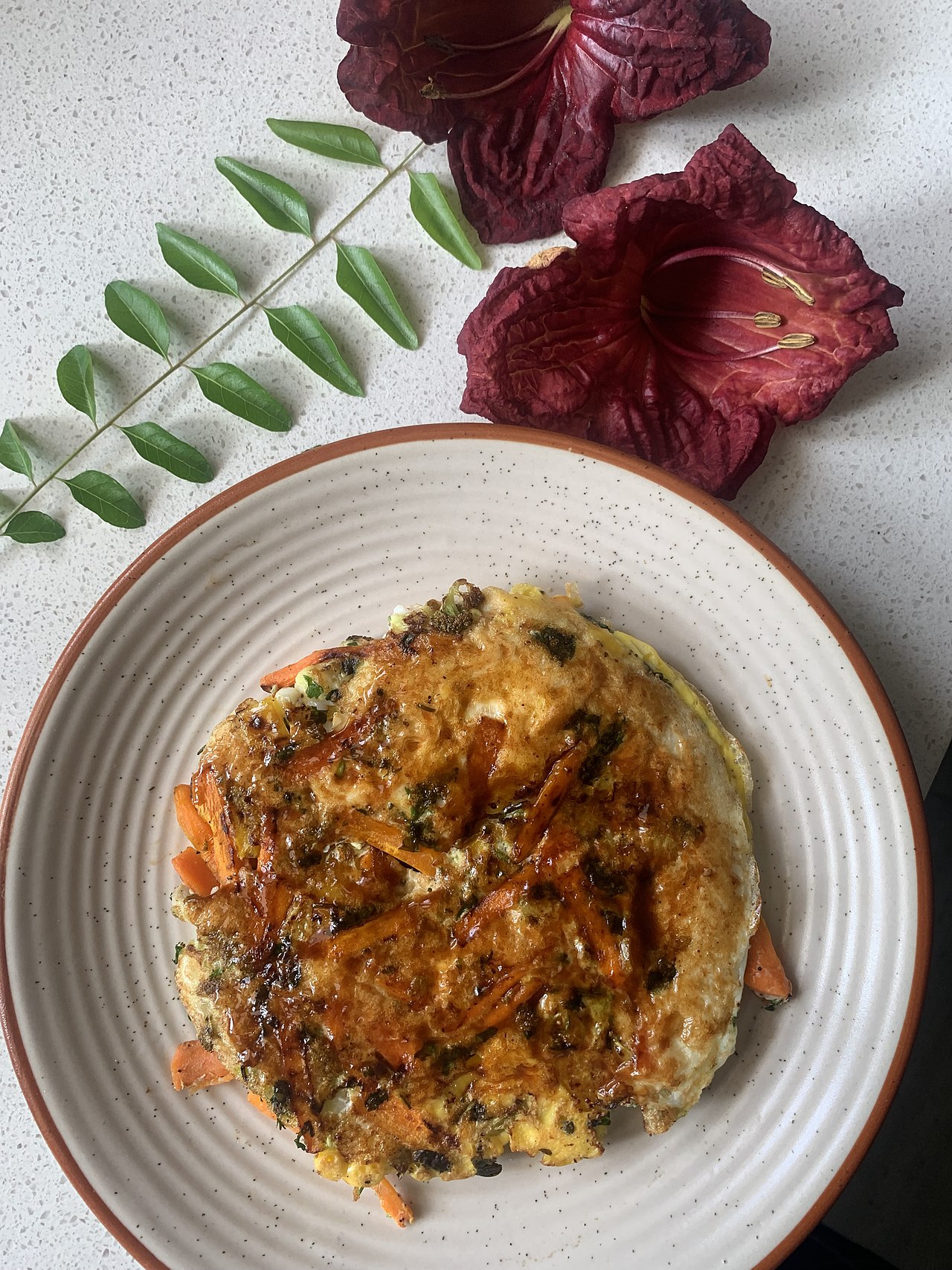

Characteristics and basic technique
Omelettes are typically made by whisking eggs, sometimes with a splash of milk or water, then pouring the mixture into a hot, greased skillet. Cook time and heat determine texture: lower heat yields a tender, custardy interior, while higher heat gives a firmer, browned surface. Many cooks fold or roll the cooked egg around fillings to create a neat parcel, but open-faced styles also exist.
Common fillings and presentations
- Cheeses: cheddar, Gruyère, feta and others add creaminess.
- Vegetables: onions, peppers, spinach, tomatoes and mushrooms are popular choices.
- Proteins: ham, smoked salmon, bacon or leftover meats often appear in omelettes.
- Herbs & seasonings: chives, parsley, dill, salt and pepper.
Presentation varies from a smooth French-style omelette, gently rolled and pale in color, to the heartier American diner omelette that is fully cooked through and often heavily filled.
Variations and related dishes
Many cultures have similar egg preparations: the Italian frittata is finished in the oven and served open, the Spanish tortilla (tortilla española) combines eggs with potatoes, and Japan's tamagoyaki is a sweetened, layered roll. Other named forms include the Denver omelette (ham, peppers, onions) and soufflé-style omelettes that incorporate whipped egg whites for lift.
Omelettes are valued for their speed, adaptability and nutritional protein content. They are a common home and restaurant dish, easily modified for dietary preferences and available ingredients.
Related articles
Author
AlegsaOnline.com Omelette (omelet): an egg-based cooked dish Leandro Alegsa
URL: https://en.alegsaonline.com/art/72498
Sources
- eggyguru.com : "Napoleon and the Omelette"
- en.wikibooks.orgCookbook.html : Cookbook
- Omelette
- Omelettes