
Mediterranean climate: characteristics, distribution, and significance
A temperate climate with dry summers and wet winters found around the Mediterranean and in five other world regions; overview, classification, causes, vegetation, uses, and notable facts.
Overview
A Mediterranean climate is a temperate climate type characterized by a strong seasonal contrast: summers that are dry and warm to hot, and winters that are mild to cool with most of the annual precipitation. The name derives from the climate that dominates much of the lands bordering the Mediterranean Sea, but similar climates also occur in geographically separate belts roughly between 30° and 45° latitude in both hemispheres.
Image gallery
9 Images

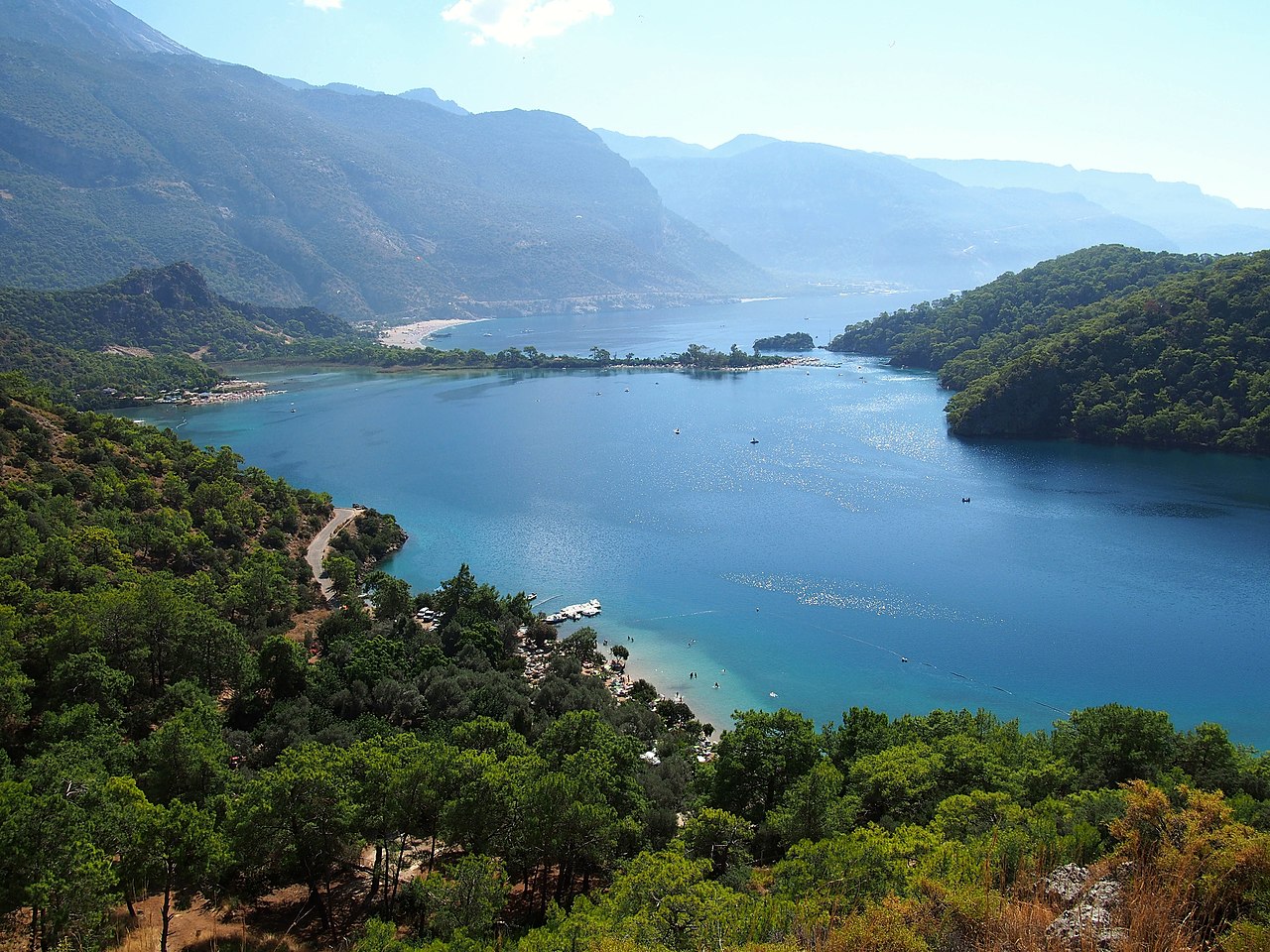


Classification and examples
Climatologists commonly use the Köppen climate classification to separate Mediterranean climates into variants based on summer temperatures and seasonality. The main subdivisions are:
- Csa — hot-summer Mediterranean (summers often quite hot); typical cities: Rome, Lisbon, Adelaide.
- Csb — warm- or cool-summer Mediterranean (more moderate summer temperatures); typical cities: Porto, Cape Town, San Francisco.
- Csc — cool-summer Mediterranean, which is rare and generally restricted to locations at very high elevations or unusual coastal settings (high-altitude occurrences).
Key characteristics
The Mediterranean climate is defined more by its seasonal rainfall pattern than by absolute temperature extremes. Typical features include:
- Dry summers caused by the seasonal expansion of subtropical high-pressure systems, which suppress cloud formation and precipitation.
- Wet winters brought by mid-latitude cyclones and frontal systems that develop poleward of the subtropical ridges.
- Moderate annual temperature ranges in coastal areas due to maritime influence; interior or higher-elevation sites may experience greater temperature variability.
- Vegetation adapted to summer drought, such as sclerophyllous shrubs, evergreen oaks, and drought-tolerant grasses; soils vary but often reflect winter leaching and summer dryness.
Causes and regional variations
The distinctive seasonal pattern arises from the annual migration of the Hadley circulation and associated subtropical anticyclones. In summer, these high-pressure systems move poleward, producing persistent dry conditions. In winter, the jet stream and extratropical storms shift equatorward, allowing moist air masses to reach the regions. Local factors — including proximity to the sea, mountain ranges, and ocean currents — modify temperature and rainfall patterns, producing the hot, warm, and cool subtypes.
Human uses, ecology, and risks
Mediterranean climates support highly productive agriculture: vineyards, olive groves, citrus, and various horticultural crops have long thrived under the pattern of wet winters and dry summers. The combination of attractive weather and scenic landscapes also makes these regions important for tourism and urban development. However, the same dry summers contribute to a heightened risk of wildfires, and water scarcity can be an ongoing management challenge, particularly where seasonal rains are variable.
Distribution and notable facts
Outside the Mediterranean Basin, characteristic zones occur in coastal California, central Chile, the Western Cape of South Africa, and parts of southern and southwestern Australia. Although globally limited in area compared to other climate zones, Mediterranean regions are biodiversity hotspots with many endemic plants adapted to periodic drought and fire. They are also sensitive to climate change: shifts in the timing and amount of rainfall, hotter summers, and more intense droughts could alter ecosystems, agriculture, and water supplies.
For further reading on definitions, regional studies, and practical implications consult specialized climate resources and regional guides: climate overview, Mediterranean basin studies, and classification references such as Köppen-based descriptions. Additional regional examples and case studies are available via resources linked to major city climates: Rome, Lisbon, Adelaide, Porto, Cape Town, San Francisco, and high-elevation instances noted at selected sites.
Related articles
Author
AlegsaOnline.com Mediterranean climate: characteristics, distribution, and significance Leandro Alegsa
URL: https://en.alegsaonline.com/art/63443