
Kalamata — city in southern Greece
Kalamata, capital of Messenia in southern Greece, lies where the Taygetos mountains meet the Messinian Gulf. Known for its olives, port, beaches and cultural life, it blends urban services with agricultural hinterland.
Overview
Kalamata is a city in southern Greece and the administrative capital of the Messenia region. It sits on the coast of the Messinian Gulf at the foot of the Taygetos range. The urban area has roughly 54,000 residents, and the city serves as a commercial, cultural and transport hub for the surrounding countryside.
Image gallery
10 Images


Geography and setting
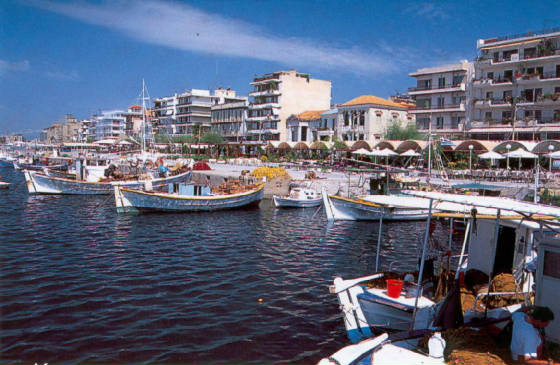
The city occupies a coastal plain with a long sandy waterfront facing the Gulf and steep hills rising immediately inland to the Taygetos mountains. This location gives Kalamata a mix of maritime and mountain influences: mild coastal climate, fertile agricultural land for olive groves, and nearby trails and peaks for outdoor recreation.
History and development
Kalamata has roots in antiquity and developed through Byzantine and medieval periods; its harbour and inland position made it an important local centre over centuries. The modern city expanded in the 19th and 20th centuries. A significant earthquake in 1986 heavily damaged parts of the town, after which much reconstruction and modernization took place.
Economy and culture
The economy combines agriculture, light industry, services and tourism. The name of the well-known Kalamata olive originates from the area; olive cultivation and oil production remain important. The city also sustains a busy regional port, markets, cafés and restaurants that highlight local cuisine.
Landmarks and events
Visitors encounter an old town with historic churches, a waterfront promenade and a hilltop castle overlooking the harbour. Notable contemporary attractions include cultural festivals such as the summer dance festival, museums, and galleries. Typical points of interest include:
- the castle and historic quarters
- The long central beach and marina
- local markets and olive-related sites
Practical notes and distinctions
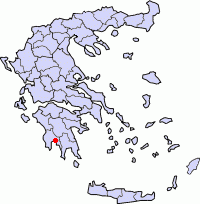
Kalamata is often referenced for its olives, its position between mountain and sea, and as a gateway to the Peloponnese interior. Travelers find a mix of urban amenities and access to rural attractions. For regional context, the city is located in the southwest of the Peloponnese peninsula and functions as a focal point for the surrounding Messenian plain.
Related articles
Author
AlegsaOnline.com Kalamata — city in southern Greece Leandro Alegsa
URL: https://en.alegsaonline.com/art/51940