
Literature: forms, history, and cultural significance
An overview of literature as a verbal art: its major forms, historical development from oral epics to modern genres, functions in society, and ways works are classified and studied.
Literature is the body of written and oral works created primarily through language. As a verbal art, literature is composed of words arranged to convey stories, ideas, feelings, or arguments. The term itself comes from the Latin litteratura, a root associated with English words for learning, writing and grammar. In everyday use, literature often denotes works valued for their aesthetic qualities and imaginative power as well as those with social, historical, or intellectual importance.
Image gallery
10 Images



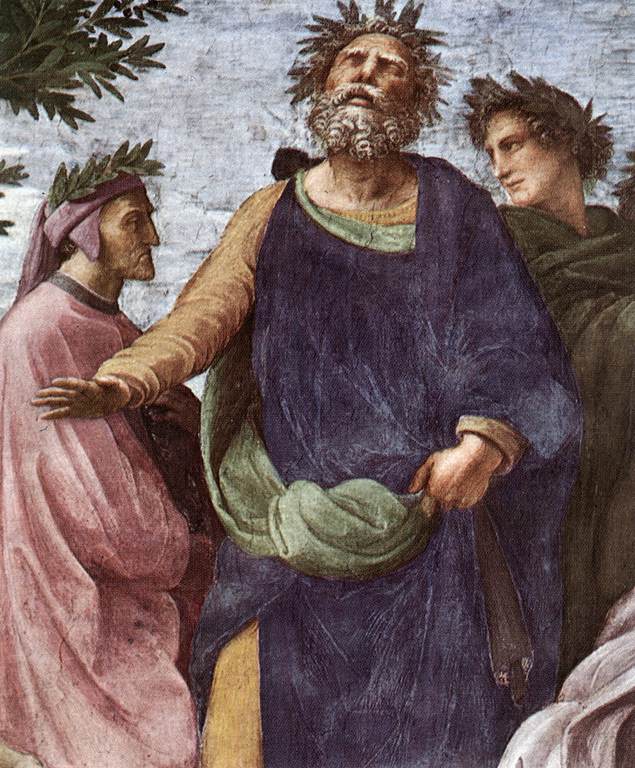

Forms and common classifications
Literary works are commonly grouped by form, genre, language and historical context. Major forms include:
- Poetry — compact, rhythmical language that emphasizes sound, imagery, and condensed meaning.
- Drama — works intended for performance on stage, ranging from tragedy to comedy.
- Novels and other prose narratives — extended fictional or factual accounts in prose.
- Oral literature — stories, songs and epics preserved by spoken transmission before or alongside writing.
Scholars also sort literature by language, historical period, genre and subject matter (for example, romance, satire, autobiography or religious writing).
Historical development
Early literary traditions often began in oral form. Long narrative poems or epics recorded foundational myths and communal memory; well-known examples that continue to be read include the Indian epics the Ramayana and the Mahabharata, and the Greek epics the Iliad and the Odyssey, associated with the poet Homer. Over centuries, many cultures developed writing systems and literary genres that reflected changing social structures, technologies and modes of production.
From medieval chronicles and religious poetry to the rise of the novel in early modern Europe, literature has continuously adapted. In modern times, the label creative or imaginative writing highlights works produced chiefly for artistic expression rather than technical instruction or purely documentary purposes.
Functions and importance
Literature serves multiple roles: it can entertain and move readers, preserve language and cultural memory, offer moral or ethical reflection, and provide material for scholarly inquiry. Through narrative and form, literature allows societies to examine identity, power, and human experience. Literary study bridges historical context, formal analysis and interpretation, helping readers understand individual works and broader movements.
Because literature is diverse and evolving, its boundaries are flexible: some texts are prized for artistic innovation, others for social impact or historical insight. Whether oral or written, poetic or prosaic, literature remains a central means by which humans express, record and rethink their lives.
Questions and answers
Q: What is literature?
A: Literature is a group of works of art made up of words, usually meaning a work of poetry, theatre or narrative.
Q: What are some different kinds of literature?
A: Some different kinds of literature include poetry, plays, and novels.
Q: How can literature be categorized?
A: Literature can be categorized through its language, historical period, origin, genre, and subject.
Q: Where does the word "Literature" come from?
A: The word "Literature" comes from the Latin word "Literatura," which means "Learning," "Writing," and "Grammar."
Q: What were some of the earliest works of literature?
A: Some of the earliest works of literature were epic poems, such as the Ramayana and Mahabharta from India, and the Odyssey and Iliad from Greece.
Q: What are epic poems?
A: Epic poems are long stories or myths about adventures.
Q: What is another meaning of literature?
A: Literature can also mean imaginative or creative writing, which is looked at for its artistic value.
Related articles
Author
AlegsaOnline.com Literature: forms, history, and cultural significance Leandro Alegsa
URL: https://en.alegsaonline.com/art/58434
Sources
- britannica.com : "literature -- Britannica Online Encyclopedia"
- etymonline.com : "Online Etymology Dictionary"