
Deluge myth — flood narratives, motifs, and cultural meanings
Overview of deluge (flood) myths: their common motifs (ark, survivor, divine wrath), principal cultural examples, historical interpretations, and enduring symbolic roles.
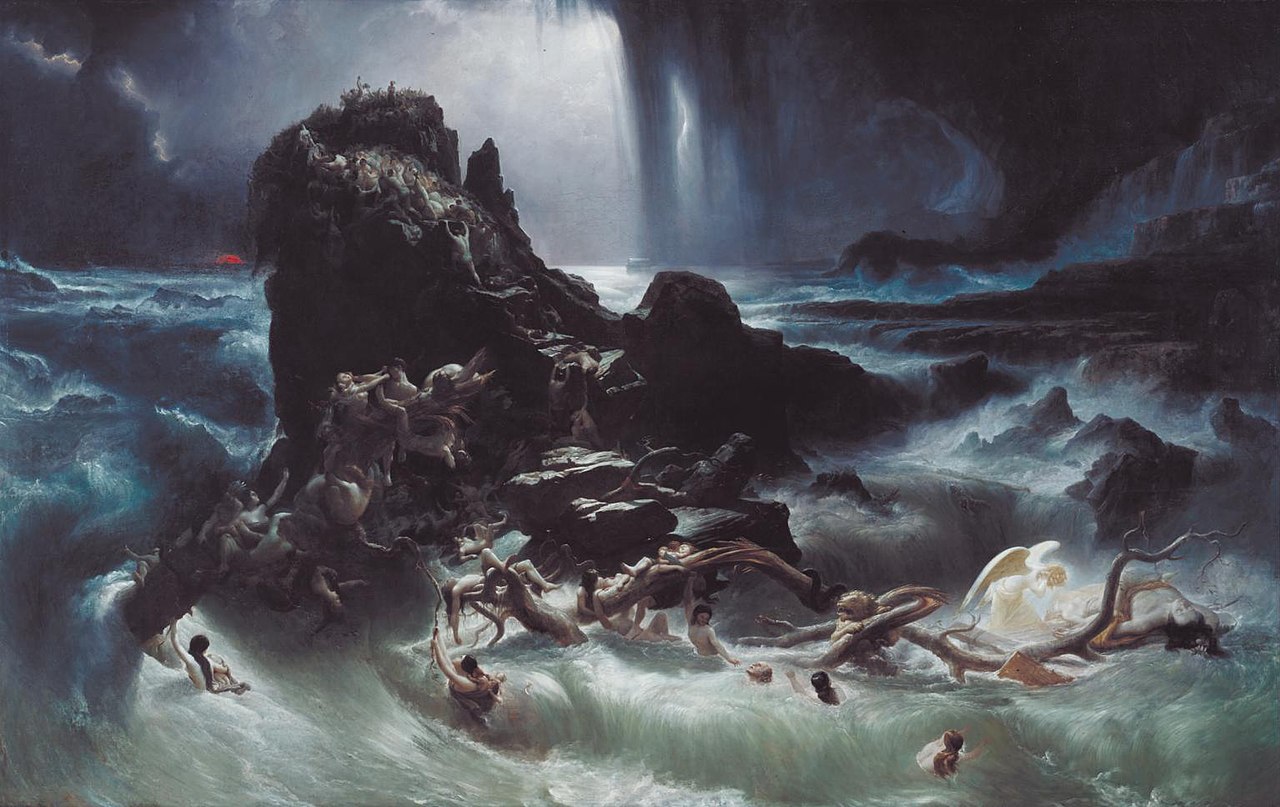
A deluge myth, commonly called a flood myth, is a traditional story in which a large inundation destroys human society or the world. Many such narratives describe a deity or divine power releasing the waters to punish, cleanse, or renew creation. These tales appear across widely separated regions and eras and are treated by scholars as a recurring thematic group rather than a single historical event. For a general entry on the natural phenomenon see flood, while the agent behind many myths is typically a deity acting in response to human conduct, sometimes framed as a form of punishment or moral correction. Their wide distribution among many cultures invites comparative study.
Image gallery
9 Images




Common motifs
Although details vary, several elements recur in deluge narratives. Typical motifs include a warned or chosen survivor, construction of a vessel or refuge, preservation of animals or seeds, drifting to a mountain or high ground, sending out birds to find land, a sacrificial offering after the waters subside, and a subsequent covenant or sign guaranteeing the flood will not repeat. These motifs function as structural markers that let scholars group diverse accounts as variations on the deluge theme.
Major examples
- Noah's Ark — the best-known Western variant, told in the Hebrew scriptures and later traditions; see Noah's Ark in the context of the Bible.
- Manu — a Hindu account preserved in Puranic literature where Puranic sources relate how Manu is warned and saved by a fish-avatar.
- Deucalion — the Greek tale of Deucalion, who survives a storm sent by Zeus and repopulates the earth.
- Utnapishtim — an extended flood story appears in Mesopotamian literature; the survivor Utnapishtim is central to the Epic of Gilgamesh.
These examples illustrate the cross-cultural distribution: the narrative core (destruction by water and a preserved remnant) is adapted to local cosmologies, moral frameworks, and ritual practices. In some traditions the flood is global in scope; in others it is clearly regional or symbolic. The language and ritual surrounding the stories often serve to explain geographic features, agricultural cycles, or the foundation of social norms.
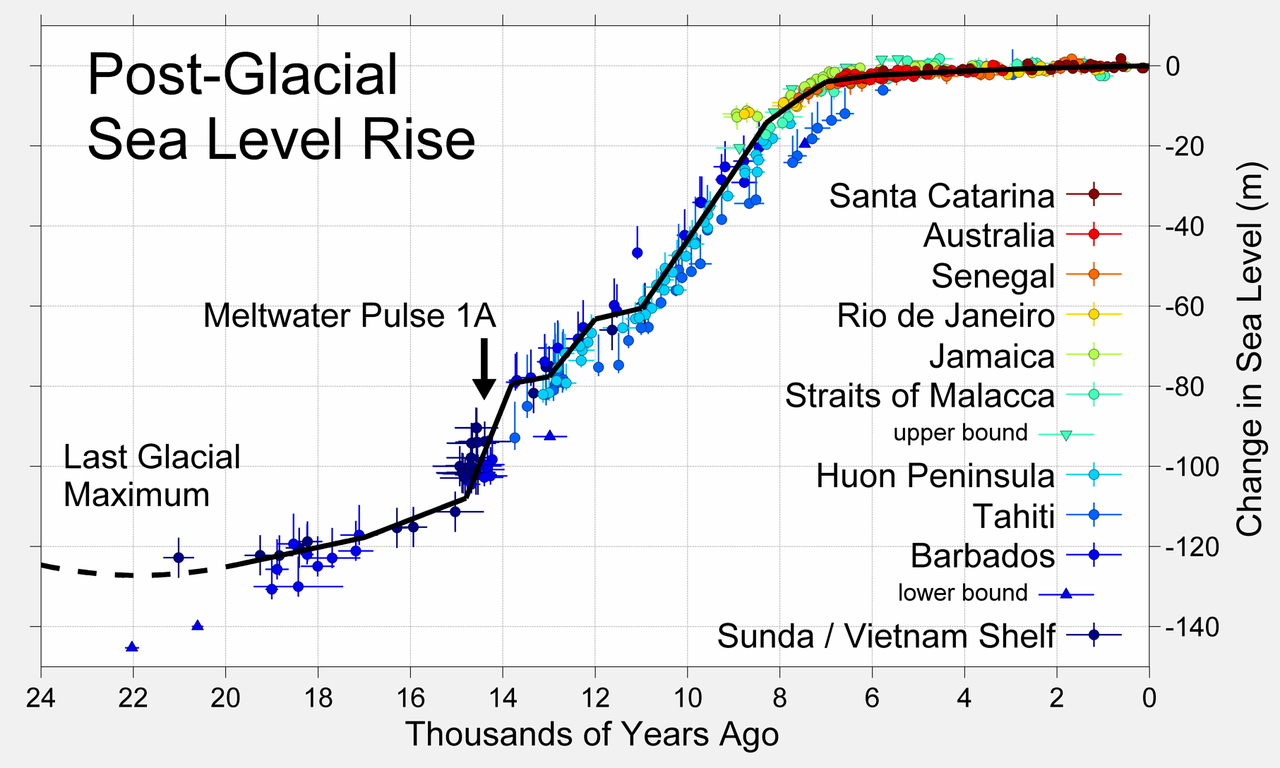
Scholars have proposed multiple nonexclusive origins and functions for deluge myths. Some suggest these tales encode communal memory of catastrophic floods or rising sea levels; others emphasize their role as mythic explanations for cultural breaks, political changes, or rites of renewal. Comparative mythology treats the shared motifs as evidence of deep structural patterns in how human communities imagine catastrophe and survival. Archaeology and geology provide data to test specific historical hypotheses, but the mythic accounts themselves primarily express meaning rather than precise chronology.
Today deluge myths remain influential in literature, visual arts, and popular media, shaping modern retellings and ethical interpretations. They continue to be studied for what they reveal about human responses to disaster, moral order, and the relationship between people and the natural world. For further study, readers may consult comparative surveys and regional treatments that trace how a single narrative pattern can produce many culturally specific stories.
Related articles
Author
AlegsaOnline.com Deluge myth — flood narratives, motifs, and cultural meanings Leandro Alegsa
URL: https://en.alegsaonline.com/art/26455