
Organic farms: practices, benefits, certification, and challenges
Overview of organic farming: methods that avoid synthetic chemicals, soil and pest management, animal welfare, certification and labeling, environmental and economic trade-offs, and guidance for consumers.
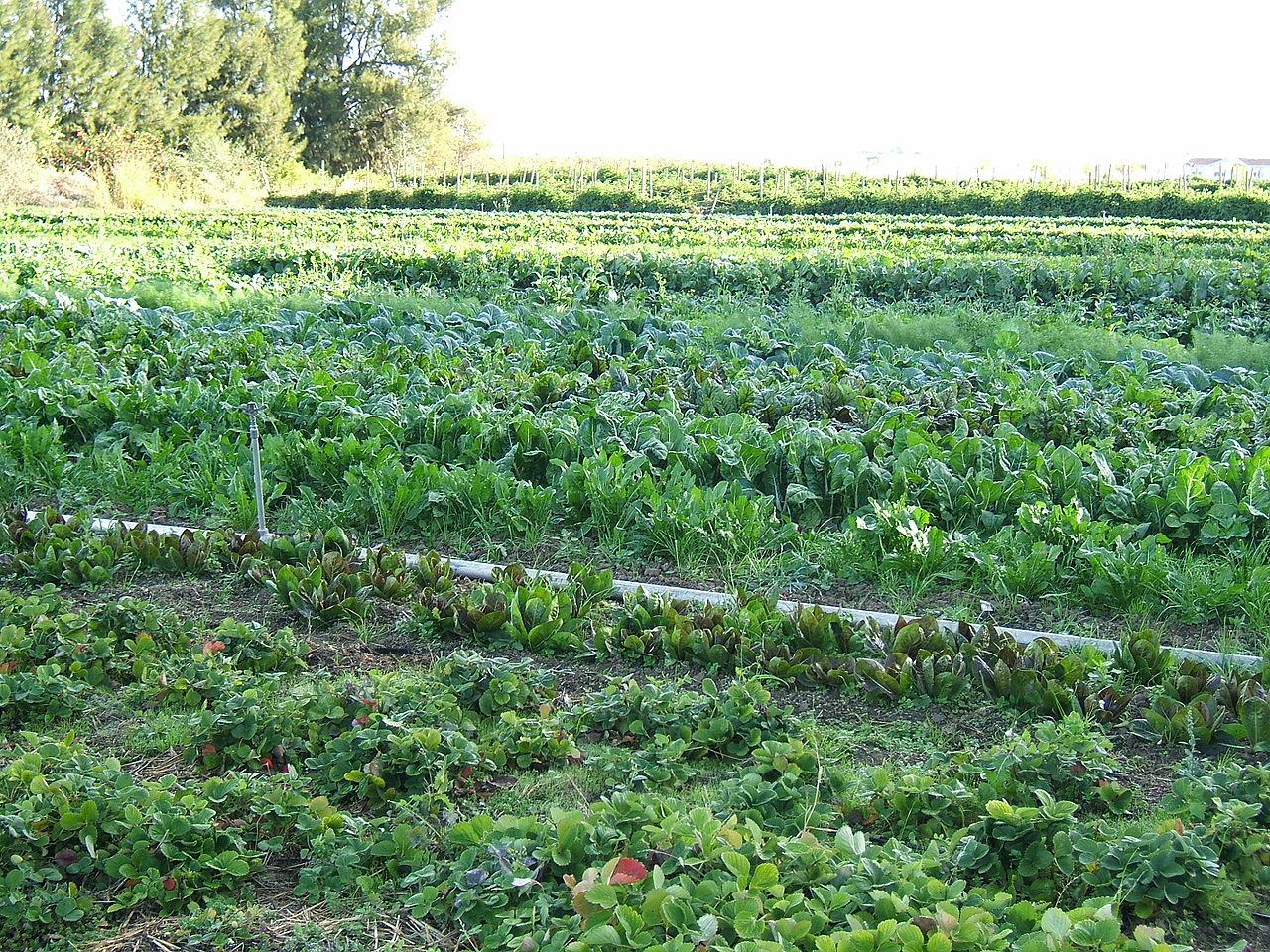
Overview — Organic farms cultivate crops and raise livestock using methods intended to maintain ecological balance, conserve biodiversity and protect soil and water. They avoid most synthetic pesticides, herbicides and fertilizers, instead relying on biological processes, farm inputs of natural origin, and management practices that build long‑term soil health and resilience.
Image gallery
9 Images




Characteristics and common practices
- Soil management: building organic matter with compost, cover crops and rotations; using reduced tillage where possible to protect soil structure.
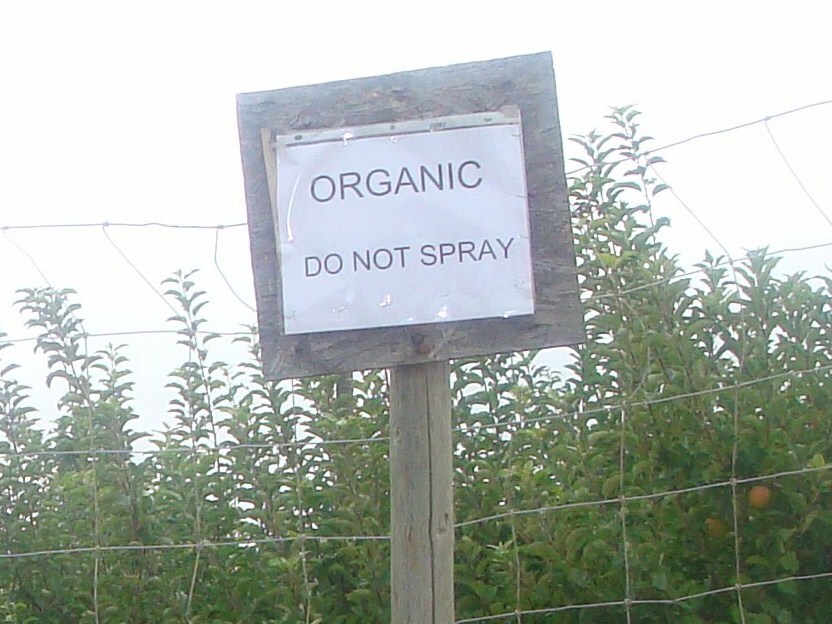
- Pest, disease and weed control: emphasis on prevention through crop diversity, timing and habitat for beneficial organisms; use of mechanical, biological and approved natural substances rather than routine synthetic pesticides.
- Seeds and inputs: many standards restrict genetically modified seed and limit synthetic additives; permitted inputs are usually documented on a national or regional list.
- Livestock care: requirements commonly include access to the outdoors, organic feed, prevention‑focused health care and limits on routine antibiotics or growth promoters.
History and regulation
Organic farming grew from diverse 20th‑century movements that sought alternatives to industrial agriculture. Since mid‑century, many countries have developed national or regional organic standards and certification programs. Producers generally undergo a conversion period, often about three years, during which land and practices must meet the standard before products may be labeled organic.
Benefits and impacts
Proponents highlight reduced synthetic chemical use, improved soil organic matter, increased on‑farm biodiversity and lower risk of chemical runoff to waterways. Organic systems can offer market premiums for some producers and stronger connections to consumers through direct sales and community‑supported agriculture.
Challenges and criticisms
Criticisms include potentially lower yields for some crops in some regions, higher labor and certification costs, and questions about scalability and land use efficiency. Consumers and regulators also face challenges from inconsistent labeling and occasional misleading marketing claims.
Certification and consumer guidance
Certified organic products carry a seal or label issued by a recognized authority. Consumers who wish to support organic practices can look for certified labels, ask farmers about specific methods, or choose local producers where transparency and farm visits are possible. Understanding both benefits and trade‑offs helps inform purchasing and policy choices.
Related articles
Author
AlegsaOnline.com Organic farms: practices, benefits, certification, and challenges Leandro Alegsa
URL: https://en.alegsaonline.com/art/73091
Sources
- ncbi.nlm.nih.gov : "Pesticide use and colorectal cancer risk in the Agricultural Health Study"
- doi.org : 10.1002/ijc.22635
- ncbi.nlm.nih.gov : 2928992
- pubmed.ncbi.nlm.nih.gov : 17390374
- hsph.harvard.edu : "Pesticides in produce linked with reduced fertility in women"
- americanpregnancy.org : "Pesticides and Pregnancy - Pesticide Use During Pregnancy"
- ec.europa.eu : "Organic farming"