
Cooking oil: types, characteristics, history and culinary uses
Overview of cooking oil from plant and animal sources, its composition, common varieties, selection for cooking methods, storage and health considerations.
Cooking oil is a culinary fat derived from plant seeds, fruits or from animal sources and is typically liquid at room temperature. It is used to transfer heat, prevent food from sticking, and to carry flavors in a wide range of preparations from frying and sautéing to dressings and marinades. Definition and basics are useful when comparing different products.
Image gallery
7 Images



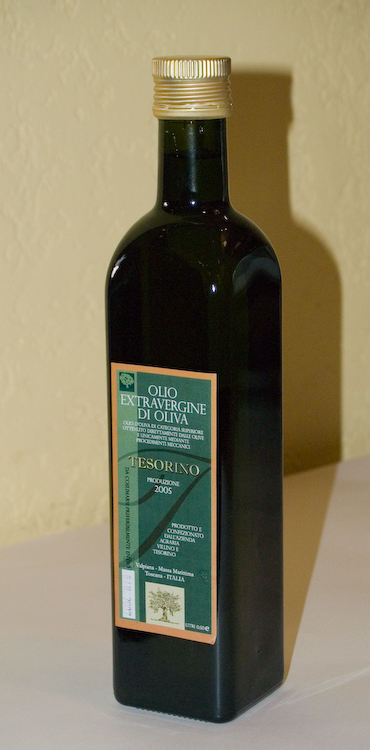
Composition and properties
Oils are mixtures of triglycerides made up of saturated, monounsaturated and polyunsaturated fatty acids. These proportions determine an oil’s texture, nutritional profile and oxidative stability. Important practical properties include the smoke point (the temperature at which oil begins to break down and smoke), flavor intensity, and how resistant the oil is to rancidity. Oils may be refined to increase smoke point and shelf life or cold-extracted to preserve aroma and nutrients; see production methods.
Common types
- Olive oil (extra virgin to refined)
- Canola (rapeseed) oil
- Sunflower, safflower and soybean oils
- Peanut and sesame oils
- Coconut oil and palm oil
- Avocado oil and grapeseed oil
- Animal fats used as cooking fats: butter, ghee, lard and tallow
For comparisons of flavor and best uses, see general lists of types of cooking oil.
History and production
Use of plant oils is ancient: olive oil has long been associated with Mediterranean cuisines, sesame and peanut oils have long histories in Asia, and rendered animal fats were common worldwide. The 19th and 20th centuries brought large-scale extraction of seed oils and modern refining techniques, expanding availability and changing dietary patterns. For background on historical development, consult resources on oil history and industry.
Uses and selection tips
Choose oil based on heat level and desired flavor. High-smoke-point, neutral oils suit deep-frying; unrefined, flavorful oils are better for dressings or finishing. Cold-pressed oils retain more aroma for raw applications but may have lower heat tolerance. A simple decision approach: consider smoke point, taste and nutritional balance. Practical guidance and recipes are available at cooking and selection guides.
Health, storage and safety
Different oils vary in saturated and unsaturated fat content; dietary guidelines encourage variety and moderation. Oils can oxidize and become rancid if exposed to light, heat or air; store them in cool, dark places and use within recommended timeframes. Reusing oil repeatedly for high-temperature frying accelerates breakdown and can produce off-flavors and harmful compounds, so monitor color, smell and foaming. For safety and disposal recommendations, see storage and safety advice.
Notable distinctions: the culinary difference between an oil and a solid fat often comes down to melting point, while the culinary difference between refined and unrefined products reflects tradeoffs between stability and flavor. Understanding these factors helps cooks choose the best oil for technique, taste and health goals.
Related articles
Author
AlegsaOnline.com Cooking oil: types, characteristics, history and culinary uses Leandro Alegsa
URL: https://en.alegsaonline.com/art/22884