
New Netherland: Dutch colony in North America (1614–1674)
New Netherland was a 17th-century Dutch colony in North America centered on present-day New York, known for the fur trade, diverse settlements and its transfer to English control in the 1660s–1670s.
Overview
New Netherland was a Dutch colony in northeastern North America established as part of the Dutch Empire. Dutch presence began in the early 17th century (commonly dated to 1614) and continued through a first phase ending in 1664, with a brief Dutch recovery in 1673 before final cession in 1674. The territory served primarily as a trading and maritime foothold rather than a densely settled agricultural colony.
Image gallery
10 Images





Geography and principal settlements
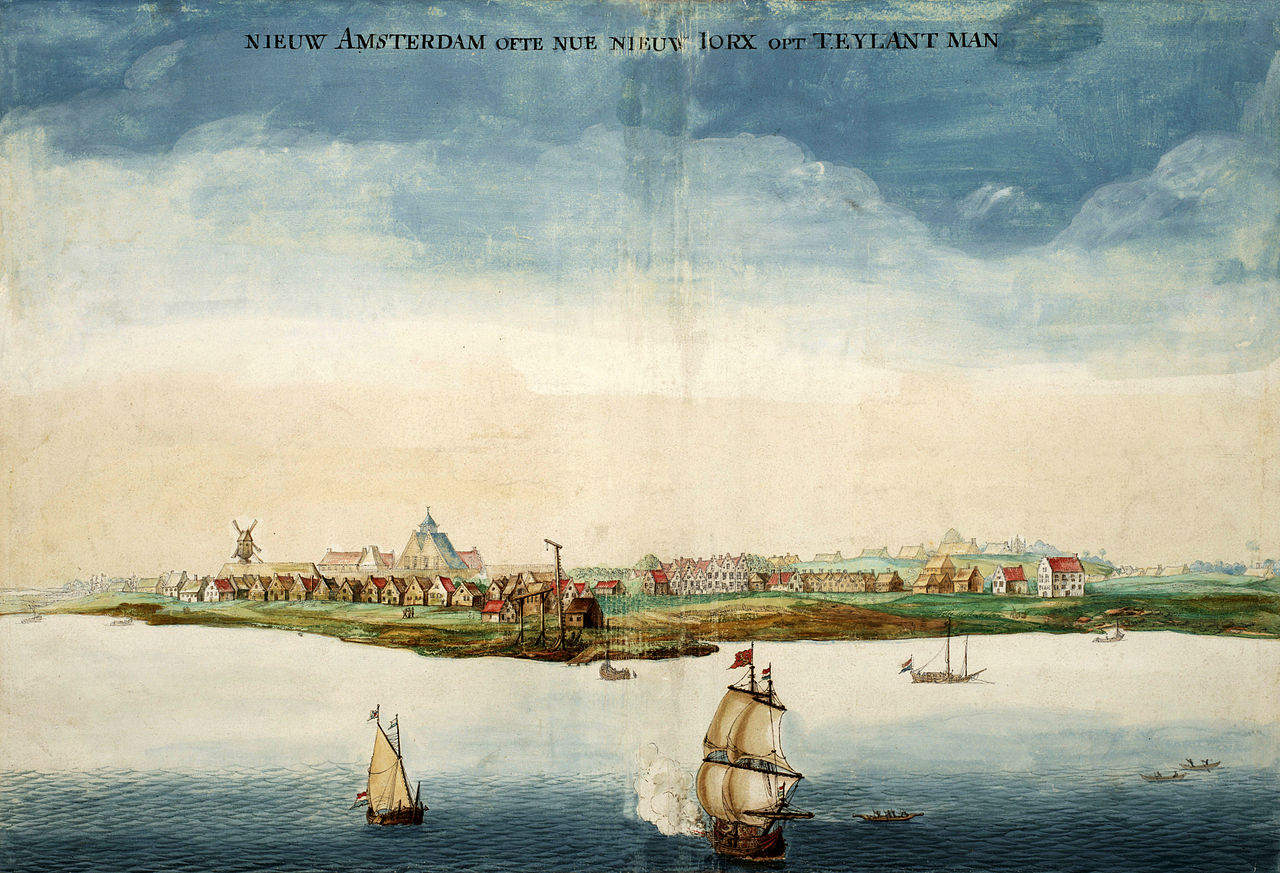
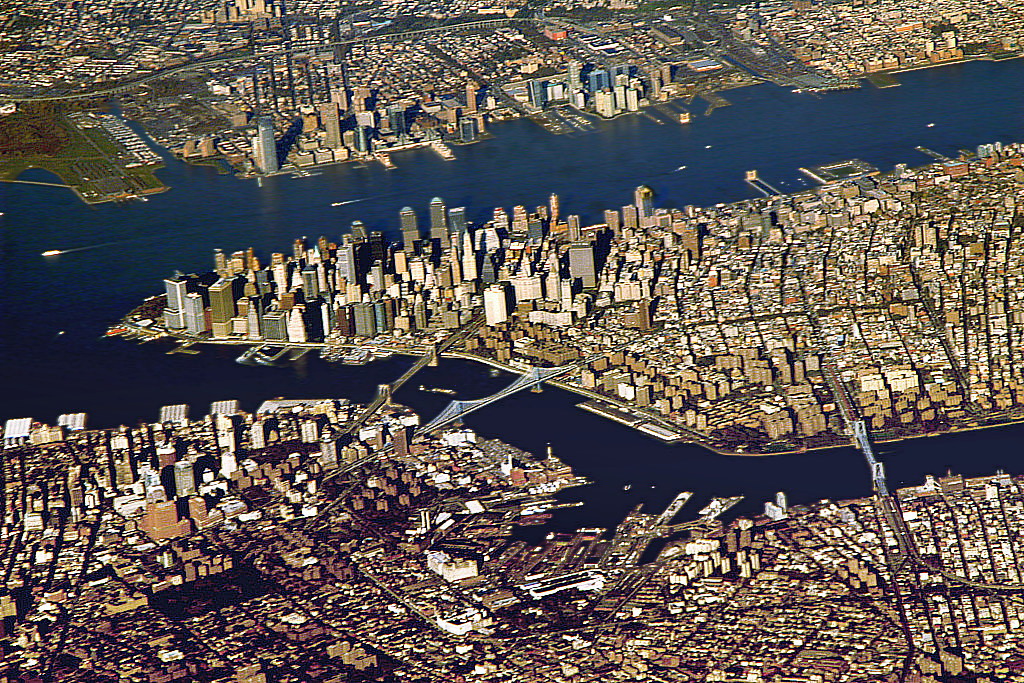
The colony occupied parts of the modern northeastern United States, with most activity along the Hudson River. Its capital was New Amsterdam on Manhattan Island (New Amsterdam), and another important post was Fort Orange at the site of present-day Albany (Fort Orange). Small villages, farms and trading stations extended outward from these centers; some colonists also settled on Long Island and along nearby bays and rivers.
Economy, population and institutions
Economic life in New Netherland revolved around trade—especially the North American beaver fur market—and maritime commerce managed by Dutch companies and local traders (fur trade). The population was ethnically and religiously mixed: Dutch, other Europeans, enslaved and free Africans, and numerous Indigenous nations with whom the Dutch maintained both trade relationships and occasional conflicts. The colony developed commercial towns, a system of land grants to encourage settlement, and a reputation for comparatively pragmatic local governance.
Conflict, transfer and diplomatic exchange
New Netherland lay geographically between English colonial holdings, and the rising Kingdom of England sought to consolidate its Atlantic possessions. During the era of the Anglo-Dutch Wars English naval pressure and expeditionary forces compelled the Dutch to surrender key posts rather than see cities destroyed by the Royal Navy. In subsequent negotiations the Dutch accepted territorial exchanges in which they retained or acquired possessions elsewhere—notably Surinam in South America and the spice island of Run in the East Indies—while ceding their North American holdings to England.
Legacy and successor colonies
After transfer to English control the former New Netherland territory was reorganized and renamed. The central province became the colony of New York, with adjacent areas forming New Jersey and contributing land claims to neighboring English colonies. Portions of the old Dutch sphere were later incorporated into or contested by Massachusetts, Rhode Island, Connecticut, Pennsylvania, Delaware and Maryland. Remnants of Dutch influence survived in place names, legal customs and aspects of urban development, most visibly in what became New York City.
- Major posts: New Amsterdam, Fort Orange
- Important economic activity: fur trade, shipping and port services
- Notable outcomes: territorial exchange including Surinam and Run
New Netherland occupies an important place in early American history as a commercial, multicultural and strategically located colony whose institutions and urban centers helped shape the later development of the northeastern United States.

See also
- List of governors of Nieuw Nederland
Related articles
Author
AlegsaOnline.com New Netherland: Dutch colony in North America (1614–1674) Leandro Alegsa
URL: https://en.alegsaonline.com/art/69577