
Rhode Island: Overview, Geography, History, and Notable Facts
A concise encyclopedia overview of Rhode Island: its geography, early inhabitants, colonial history, role in maritime trade, statehood and the 2020 name change, plus cultural and economic notes.
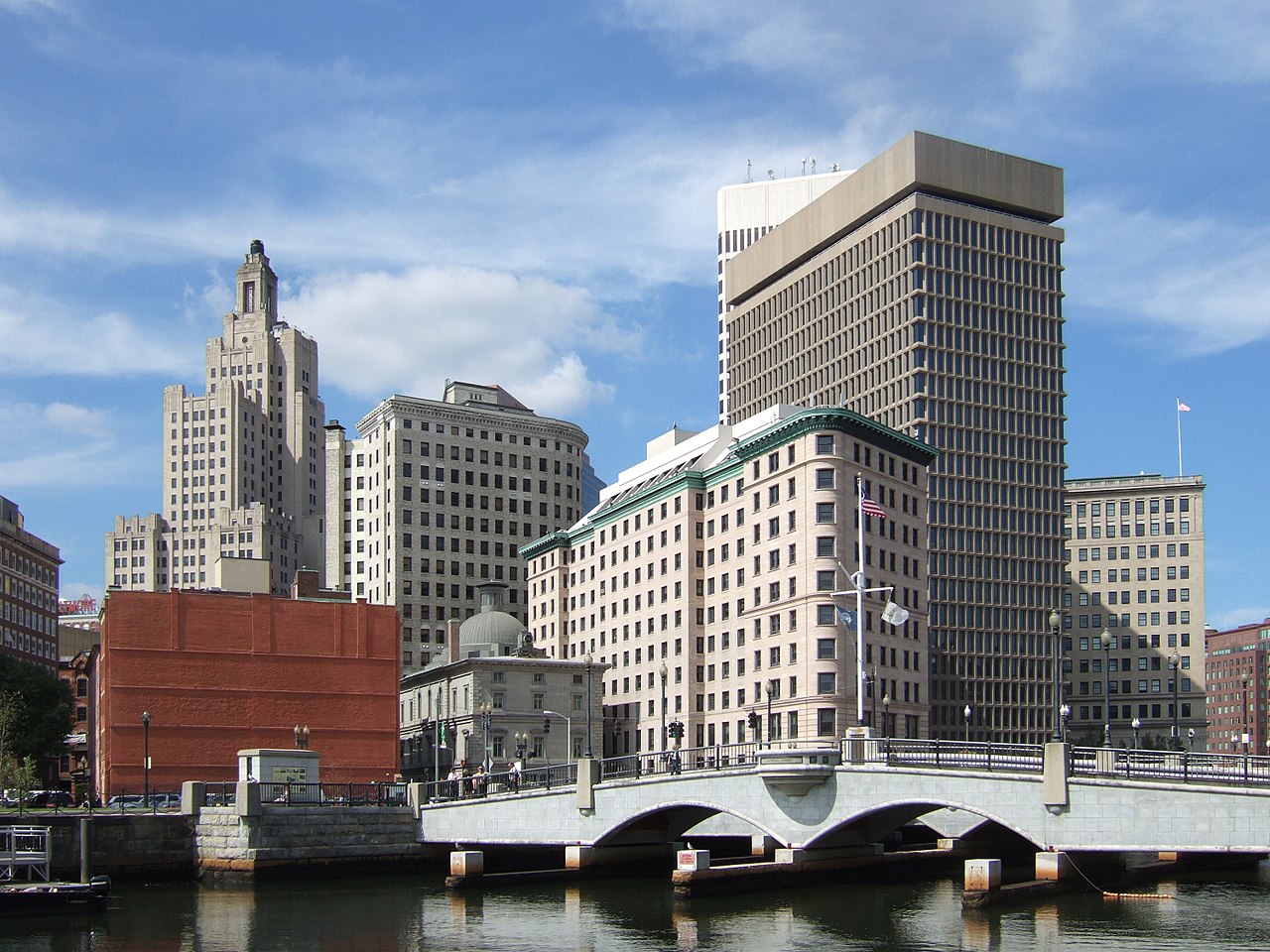
Rhode Island is the smallest state in the United States by land area, widely known by the nickname "The Ocean State" because of its many bays, inlets and long coastline. The state capital and largest city is Providence, a historic port and cultural center. Despite its modest size, Rhode Island contains a variety of urban, suburban and coastal landscapes and has played an outsized role in early American history and commerce. For reference to its small scale, see the designation as the smallest state and discussions of its area in geographical sources.
Image gallery
10 Images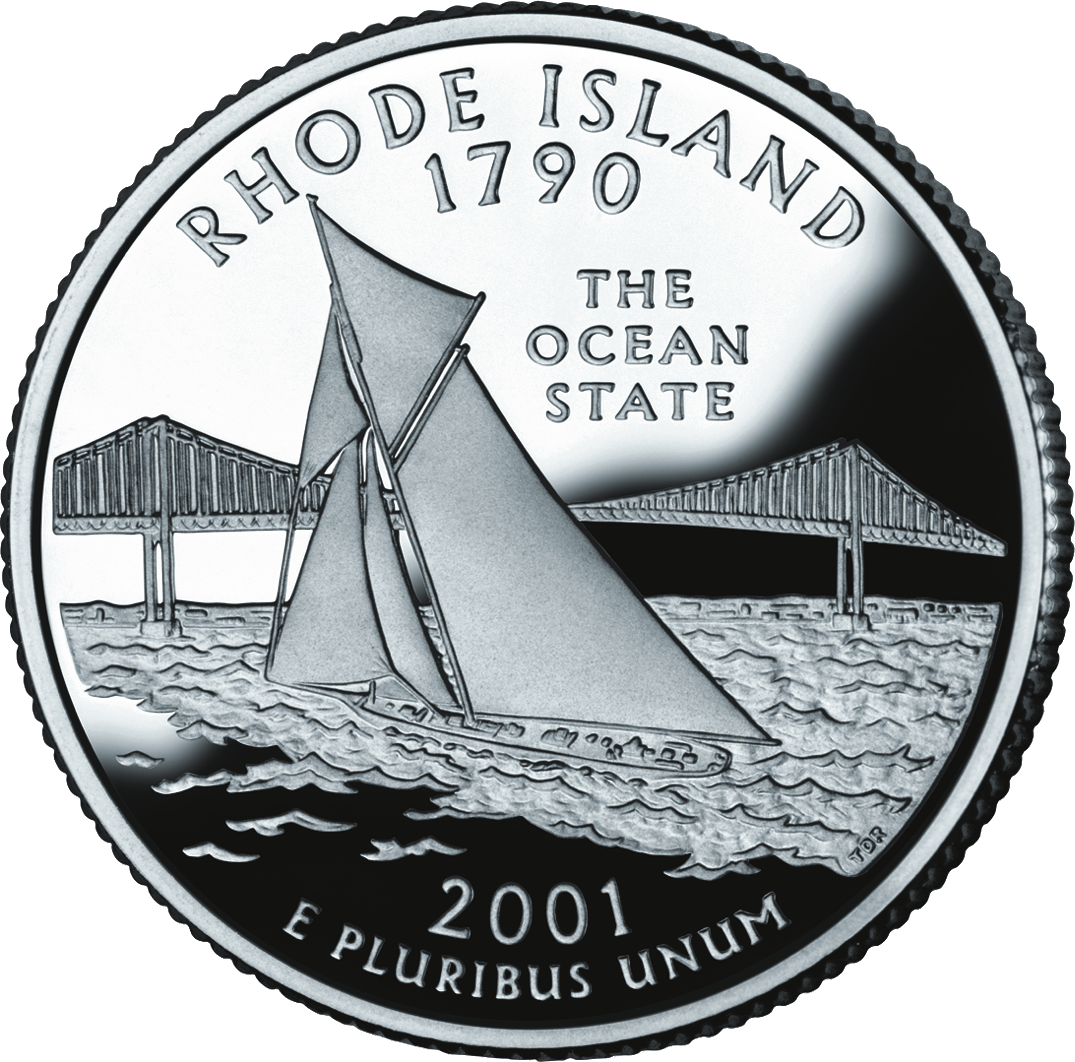




Geography and place names
Rhode Island lies in the New England region of the northeastern United States. It is bordered to the north and east by Massachusetts, to the west by Connecticut, and to the south by the Atlantic Ocean and Rhode Island Sound. The state also shares a maritime boundary with New York. Much of Rhode Island’s identity is tied to Narragansett Bay and numerous smaller waterways. The state’s name has long been associated with a prominent island in the bay; some early observers compared that island to the Greek island of Rhodes, which is one possible explanation for the name, though other origins have been suggested over time.
Early inhabitants and colonial foundation
The lands now called Rhode Island were home to Indigenous peoples for thousands of years, notably the Narragansett and other Algonquian-speaking groups. In the 17th century, English settlement increased. Roger Williams, an English minister and proponent of religious liberty, established a settlement that became a haven for people seeking freedom of conscience; he is a central figure in Rhode Island’s founding and is associated with the colony’s early policies on religious tolerance. Tensions between colonists and Native communities, however, resulted in violent conflicts such as those in the era of King Philip’s War, which caused severe disruption and loss of life among Indigenous populations and colonial settlers. Rhode Island was one of the original Thirteen Colonies.
Economy, maritime trade, and slavery
From the colonial period onward, maritime commerce shaped Rhode Island’s economy. Ports such as Newport became important centers for trade, shipbuilding and fishing. In the 18th century, merchants from Rhode Island participated in transatlantic commerce that included the movement of enslaved people; historians emphasize the colony’s involvement in the Atlantic slave trade and the role of Rhode Island ships in voyages to and from Africa. Studies indicate that a large share of the English North American slave trade passed through Rhode Island ports, with profound moral and economic consequences for the region and the people affected.
Statehood, governance and the 2020 name change
After the American Revolution, Rhode Island was the last of the original thirteen colonies to ratify the United States Constitution, doing so in 1790. Its political institutions evolved from colonial charters into a modern state government. In 2020, Rhode Island revisited the official wording of its long-form name to address language that referenced "Providence Plantations," a phrase many regarded as linked to the history of slavery. An executive action by Governor Gina Raimondo and a subsequent public vote led to removing that phrase and adopting the simpler official designation, the "State of Rhode Island." The capital Providence remains the seat of state government and the focal point of civic life.
Culture, institutions and notable facts
Rhode Island is home to a range of cultural institutions, colleges and historic neighborhoods. Its coastal geography supports tourism, seafood industries and recreational boating. The state’s compact size means many communities lie within short distances of each other, creating dense networks of transportation and commerce. Contemporary Rhode Island continues to wrestle with the legacies of its colonial past while promoting arts, education and maritime industries. For further topical overviews and references, consult state and regional resources linked from official guides and historical summaries available online, including general reference material about the state’s founding figures and the broader context of early colonial conflicts such as the clashes described in period accounts referenced here (conflict accounts).
- Historical distinctions: one of the original Thirteen Colonies and the last to ratify the U.S. Constitution.
- Ports and commerce: Newport and Providence served as centers of maritime trade and shipbuilding (Newport, Providence).
- Legacy issues: acknowledged involvement in the transatlantic slave trade and related historical debates about memory and place names (scholarship on slave trade).
Related articles
Author
AlegsaOnline.com Rhode Island: Overview, Geography, History, and Notable Facts Leandro Alegsa
URL: https://en.alegsaonline.com/art/82524
Sources
- commons.wikimedia.org : Rhode Island
- census.gov : "Rhode Island: Population estimates"
- kff.org : "Median Annual Household Income"