
Fur trade: history, commerce, and cultural and environmental effects
Comprehensive overview of the global fur trade: origins, major regions and eras, methods and routes, economic and cultural impacts, decline and modern controversies.
Overview
The fur trade is the commercial buying and selling of animal pelts and related products, a practice that linked hunters, traders and markets across continents. Historically the trade revolved around prized furs such as beaver, fox, mink and sable and supplied European fashion and practical markets with luxury and functional garments. For a general definition see animal fur.
Image gallery
10 Images



Geographic origins and early development
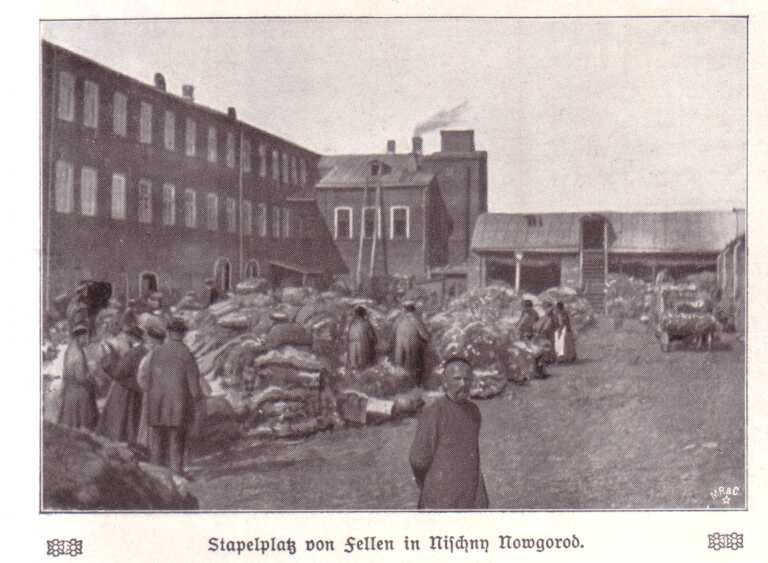
Before the large-scale colonization of the Americas, northern Eurasia — especially Russia and Siberia — was a major source of furs for Western Europe and parts of Asia. Independent networks of indigenous hunters and regional traders supplied pelts that were transported by river, sled and sea to coastal trade centers. With European expansion into North America, a second large and highly organized fur economy developed across North America, shaping early patterns of contact in The New World.
North American eras and institutions
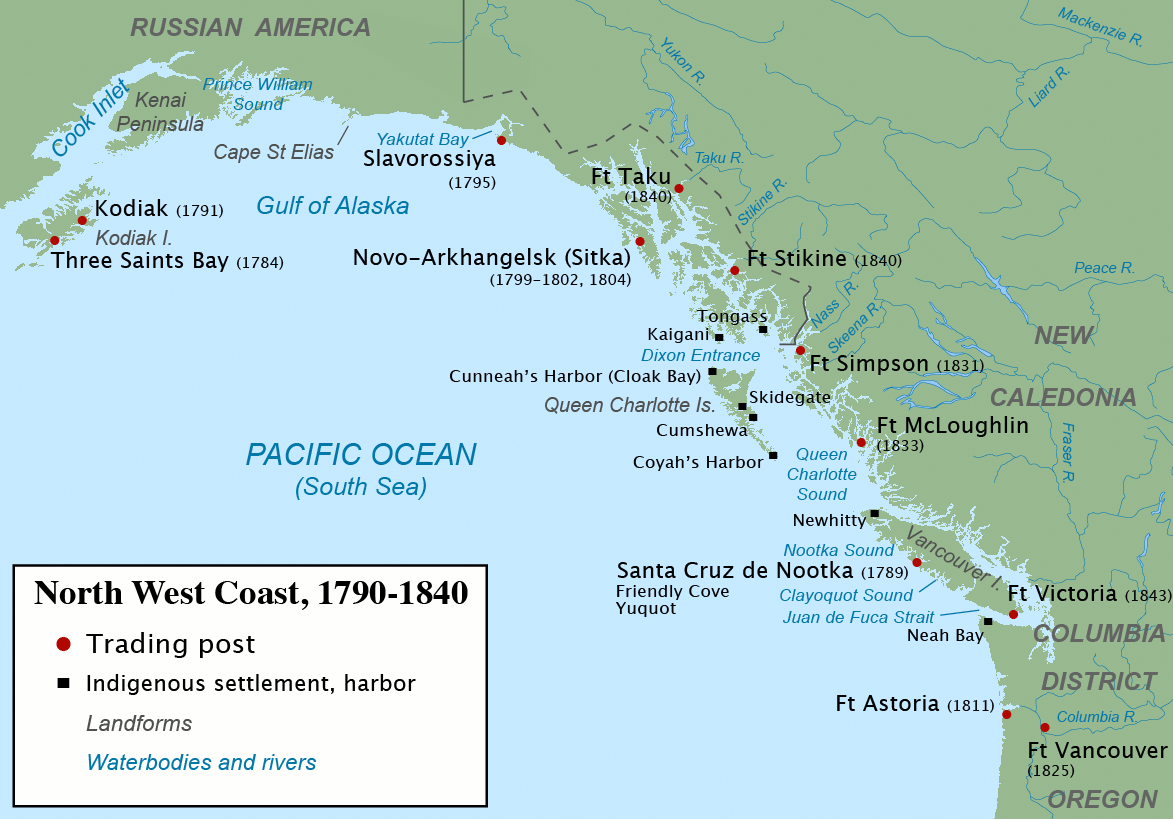
The North American fur trade is often described in three broad periods. The "French Era" extended from the early 1600s until mid‑18th century, characterized by voyageurs and the coureur de bois who acted as intermediaries with Indigenous nations. The "British Era" followed, and then the "American Era" of the early 19th century, which included entrepreneurs such as John Jacob Astor. Major companies established during these times created long-lived institutions; one of the best known is the Hudson's Bay Company, originally formed under an royal charter granted by English monarchs in 1670.
Organization, methods and trade goods
Trappers, Native hunting parties, and company voyageurs used rivers, canoes and later overland routes to move pelts from interior regions to trading posts and ports. Trade was reciprocal: pelts and skins were exchanged for manufactured items such as metal tools, cloth, firearms and other goods. The industry created specialized roles (trappers, middlemen, packers) and infrastructure (posts, forts and supply lines).
- Primary furs: beaver, otter, mink, fox, sable.
- Transport: canoes, sleds, pack horses and boats.
- Trading items in exchange: metal tools, cloth, beads and other manufactured goods.
Social, economic and environmental impacts
The fur trade had profound effects on indigenous societies, colonial economies and regional ecologies. It created new wealth and dependency, altered alliances and rivalries among Indigenous nations and between them and European powers, and drove territorial competition. Overhunting of target species, especially beaver, changed landscapes and aquatic ecosystems in many regions. The trade also planted the seeds of settlement patterns, economic networks and legal claims that influenced later boundary-making and colonization.
Decline, legacy and modern issues
By the mid‑19th century changing fashions (decline in felted beaver hats), overexploitation, shifting markets and new transportation and industrial systems reduced the fur trade's centrality. Some historic trading companies transformed into other businesses and retail operations; the Hudson's Bay Company, for example, later moved into retail and operates department stores today. Contemporary debate around fur involves animal welfare, conservation, regulation and alternatives such as synthetic furs. Historical study of the fur trade remains important for understanding colonial contact, economic globalization and environmental change.
For further context on the peoples and legal histories involved, see entries on Native Americans, the First Nations of Canada, and the formation of the United States as related to trade-driven expansion.
Related articles
Author
AlegsaOnline.com Fur trade: history, commerce, and cultural and environmental effects Leandro Alegsa
URL: https://en.alegsaonline.com/art/37058
Sources
- www2.hbc.com : "Our History"
- hrtlandbooks.com : Exploring the Fur Trade Routes of North America