
Albany, New York: Capital city, history, and regional profile
Albany, the capital of New York State, is a historic Hudson River city and the core of the Capital District, known for government institutions, higher education, and transportation links.
Overview
Albany is the capital city of the U.S. state of New York and the county seat of Albany County. Positioned on the west bank of the Hudson River, the city forms the core of New York's Capital District and sits roughly 150 miles north of New York City. Albany's role as a regional center derives from its long history, concentration of state government, and a cluster of colleges and cultural institutions.

Image gallery
10 Images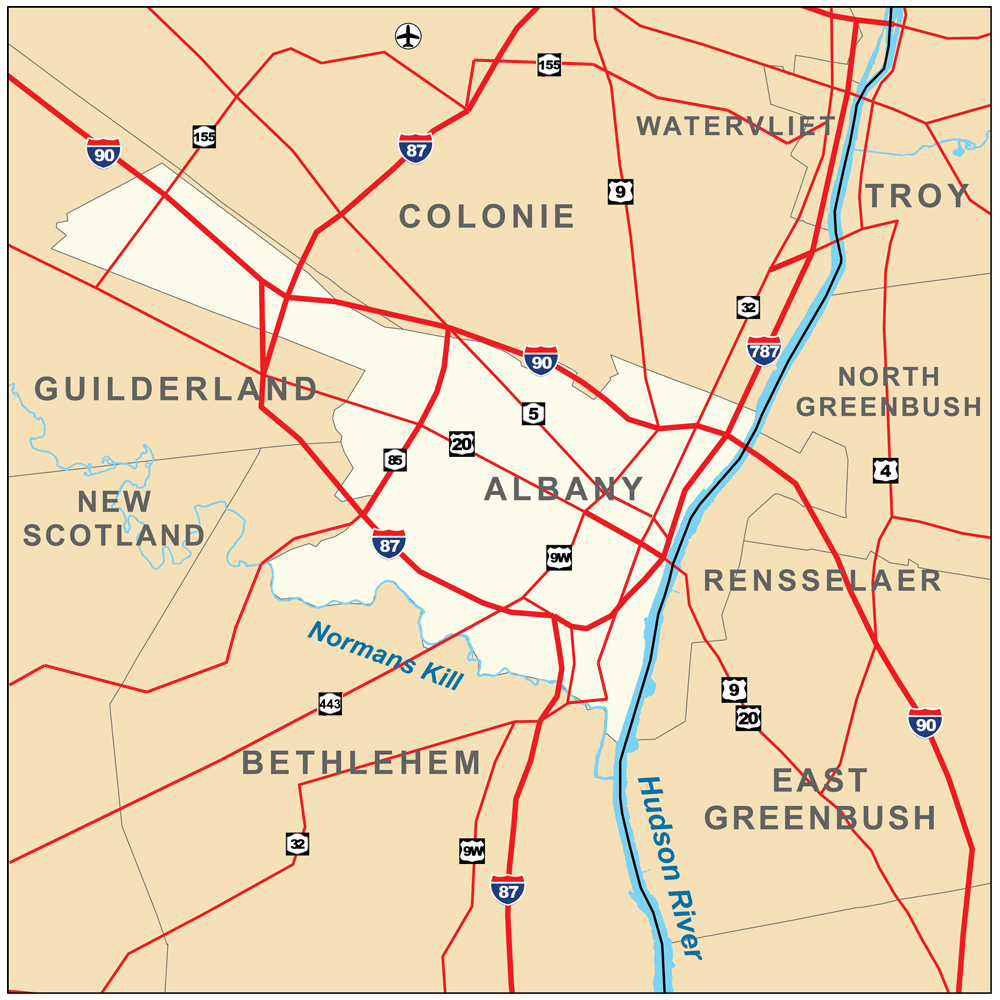


Geography and urban character
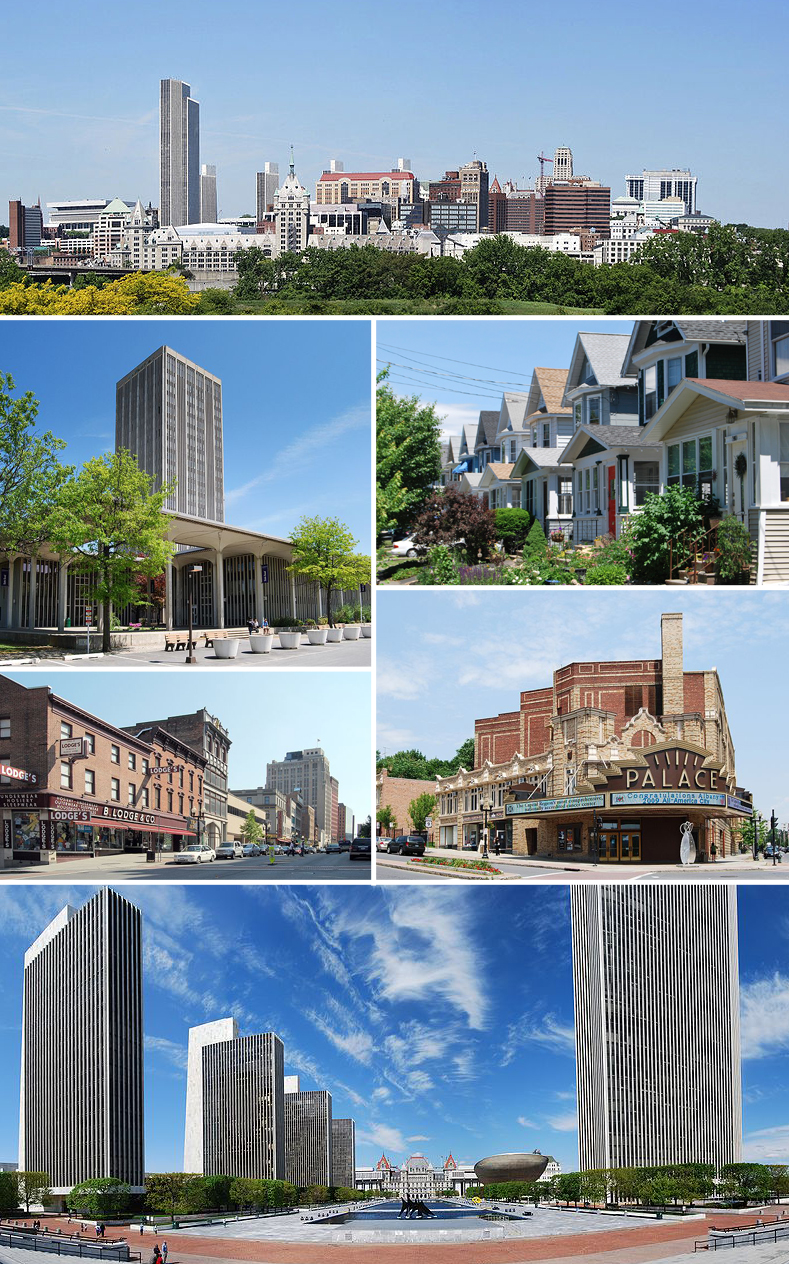
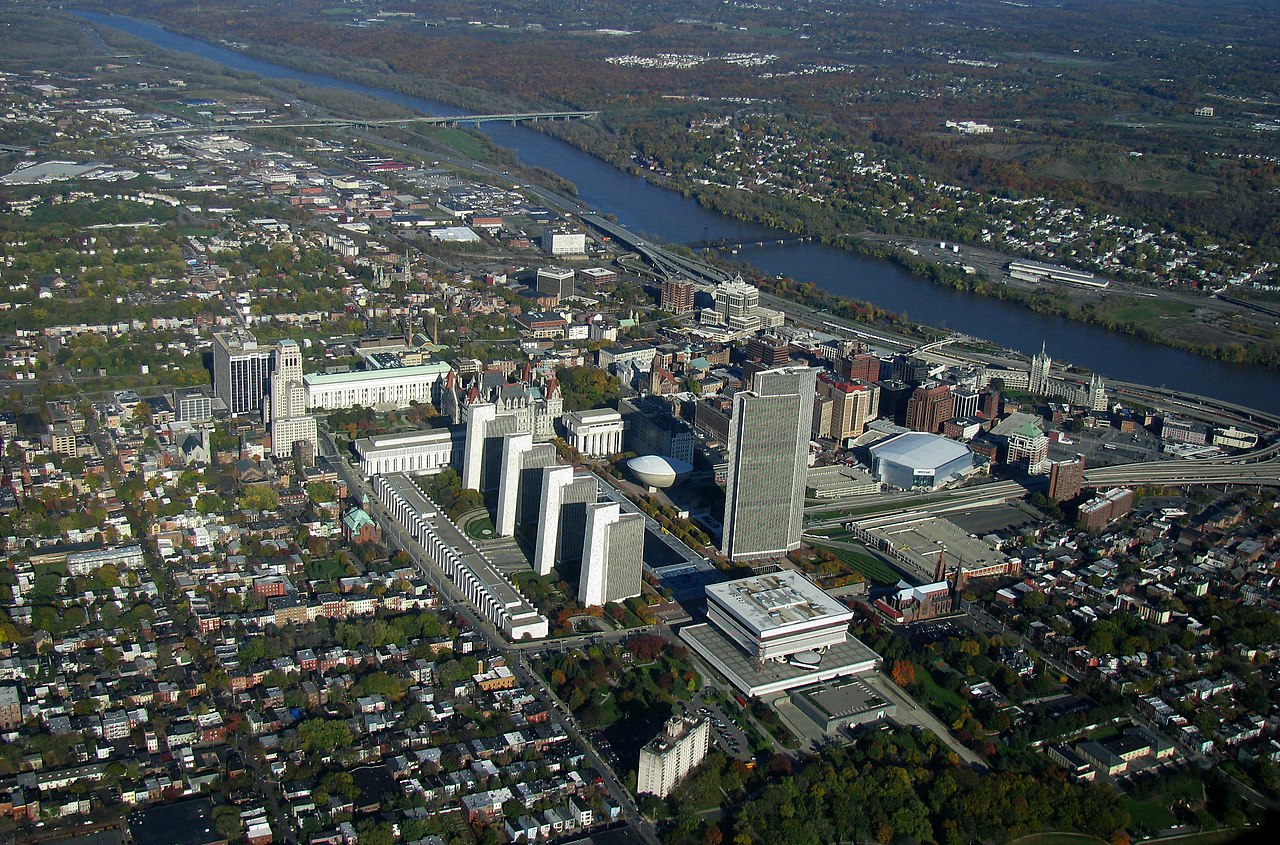
Albany occupies a strategic location near the confluence of the Mohawk and Hudson rivers, which historically made it a hub for trade and transportation. The city blends civic buildings, residential neighborhoods, and pockets of industry. Its downtown contains major state offices and several notable public plazas, while surrounding neighborhoods display a mix of nineteenth- and twentieth-century architecture.
History and development
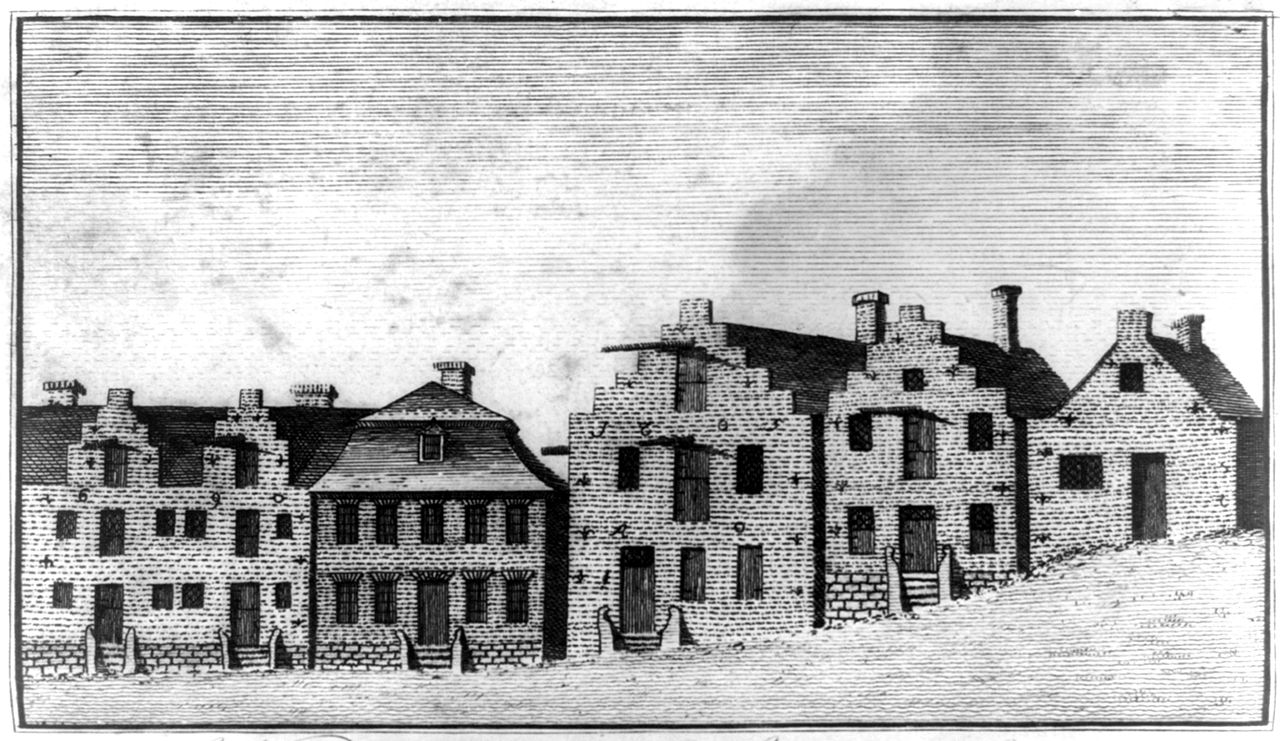
European settlement in the Albany area dates to Dutch trade posts in the 17th century; the community later developed under British rule and grew through the 18th and 19th centuries. Albany benefited from inland waterways and the Erie Canal era, which increased trade and helped the city become a regional administrative and commercial center. One enduring legacy of early municipal governance is a colonial-era charter that shaped its development; over time, Albany evolved into the political heart of New York State.
Government, economy, and institutions
State government is a principal employer in Albany, with the New York State Capitol and related agencies concentrated in the city. Beyond government, the local economy includes higher education, health care, law, and a range of private-sector services. Albany has hosted regional banking offices and other corporate operations; some financial institutions that were once prominent locally have since merged or relocated. Examples of major economic contributors and institutions include:
- state administrative offices and legislative functions
- public and private colleges and universities such as the University at Albany and law schools
- health-care networks and research facilities
Culture, education, and landmarks
Albany is home to museums, performing arts venues, and public spaces that reflect its civic role. Notable landmarks include the ornate New York State Capitol and the modernist complex of plazas and government buildings constructed in the twentieth century. The city supports a range of cultural institutions, from historical societies to contemporary arts organizations, and hosts annual events that attract regional visitors.
Transportation and regional connections
Albany acts as a transportation hub for the Capital District. It is served by an international airport and intercity rail and highway connections that link the region to other Northeastern cities. Local transit, commuter services, and regional roads support daily commuting and regional commerce. For example, air travel is anchored by the Albany International Airport, while rail and road corridors connect to nearby communities and larger metropolitan areas.
Notable facts and recent trends
In recent decades, Albany's identity has remained tied to its role as a state capital, while also adapting to broader economic shifts such as changes in banking, manufacturing, and education. The city has hosted professional and minor-league sports teams and has pursued urban revitalization efforts in its downtown and waterfront districts. Visitors and residents alike often note Albany's mix of historical architecture, civic institutions, and its position within the broader Capital District region.
Further reading and resources about Albany's government, history, transit, and cultural offerings can be found through local municipal pages and regional organizations; for general information consult official state and city resources and university research centers that document Albany's civic life and development. Additional resources include regional planning documents and visitor information from local cultural institutions and tourism offices. For rail, river, or highway details see transportation authorities and planning agencies covering the Hudson corridor and the Mohawk connection; for higher-education details consult institution-specific sites such as those linked above and educational directories covering the metropolitan area. County and municipal sources provide official records and services, while historic archives and libraries maintain records of Albany's long municipal history and cultural heritage.
Related articles
Author
AlegsaOnline.com Albany, New York: Capital city, history, and regional profile Leandro Alegsa
URL: https://en.alegsaonline.com/art/2057
Sources
- books.google.com : The History of the City of Albany, New York, from the Discovery of the Great River in 1524 by Verrazzano to the Present Time
- worldcat.org : 337558