
Kingdom of England: history, institutions and legacy
A concise overview of the Kingdom of England: its formation, political development, institutions, relations with Wales and Scotland, and its legacy up to the 1707 union.
The Kingdom of England was a political unit on the island of Great Britain that developed from the early medieval period until the early 18th century. Centered in the southern and central parts of the island, it is the predecessor state of the modern home nations of England and Wales. In other languages it has been known by different names, for example in French as Royaume d'Angleterre. Geographically it occupied territory on the island of Great Britain and was one of the historical polities of Western Europe, recognized as a distinct country by contemporaries and later historians.
Image gallery
10 Images






Origins and early consolidation
After the end of Roman rule in the 5th century, the island fragmented into multiple Anglo-Saxon and Celtic kingdoms, often called the Heptarchy. Over the 8th and 9th centuries a process of conquest, alliance and overlordship gradually reduced that diversity. Several kings of Wessex, most notably Egbert in the early 9th century and later Alfred the Great and his descendants, extended control over neighboring realms. By the 10th century rulers such as Athelstan are often described as the first to exercise effective authority over much of what became England. This gradual unification created a single royal institution with common administration, coinage and law.
Institutions and society
The Kingdom of England developed distinctive administrative and legal systems. Royal government relied on shires (counties) and local courts; the common law grew from customary practice and royal judgments. Important milestones in constitutional development include the issuance of the Magna Carta in 1215, which limited arbitrary royal power in specific ways, and the gradual formation of a representative assembly that became Parliament. Religion was central to society: the English church was part of the wider Latin Church until the 16th century, when Henry VIII established the Church of England.
Conquest, integration and relations with Wales and Scotland
Conquest and dynastic change shaped England's borders and identity. The Norman Conquest of 1066 introduced new elites and legal customs while strengthening royal authority. Wales was brought progressively under English control through military campaigns in the late 13th century and later legal incorporation by statutes in the 16th century, integrating Welsh governance into English institutions. Relations with Scotland fluctuated between alliance, dynastic ties and conflict; the two crowns and kingdoms remained separate until the union of 1707.
Key events and political change
- Early medieval consolidation under West Saxon kings and later monarchs.
- Norman takeover in 1066, which altered landholding and governance.
- Legal and parliamentary developments including Magna Carta and a growing role for Parliament.
- Religious change and the Reformation in the 16th century.
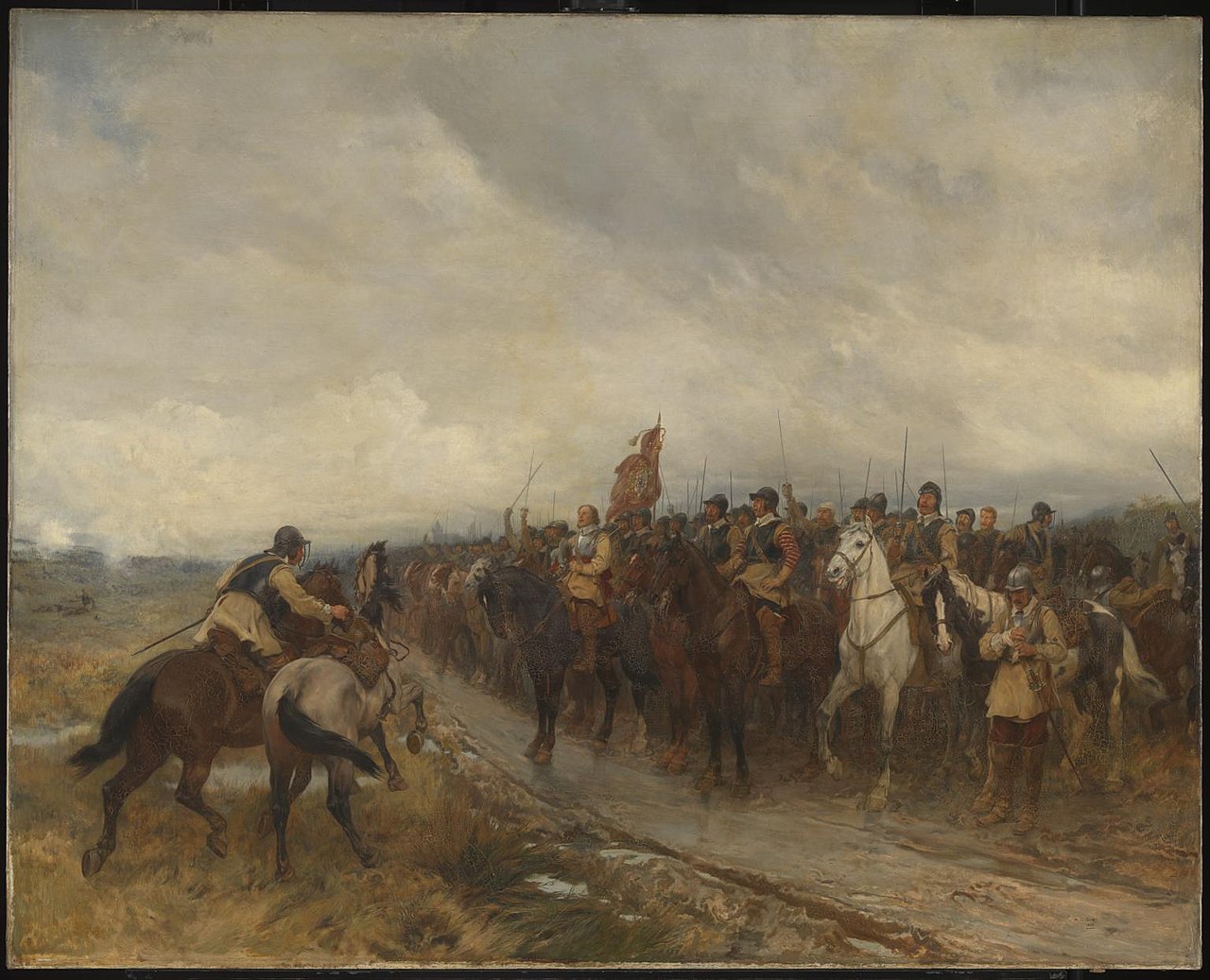
- Civil War (mid-17th century), the temporary republic, and restoration of the monarchy; the Glorious Revolution in 1688 shaped constitutional monarchy.
End of the kingdom and legacy
The independent Kingdom of England ceased to exist on 1 May 1707 when the English and Scottish parliaments passed the Acts of Union 1707, creating the Kingdom of Great Britain. The institutions, legal traditions and language of the English state, however, continued to influence the new British polity and later overseas expansion. English common law, parliamentary practices and administrative frameworks became foundational elements exported beyond the British Isles and remain significant in many modern legal and political systems.
Notable characteristics
- Administrative unity: long-term development of county government and royal courts.
- Legal influence: the common law tradition and statutory practice.
- Cultural continuity: the English language and institutions shaped national identity.
- Political evolution: from early kingship through feudal monarchy to constitutional forms.
For further background on people, places and documents associated with the Kingdom of England, consult specialized histories and primary sources via reliable repositories and academic treatments (see related resources at French sources and other collections linked from general reference portals). Additional material on the island context and neighboring polities can be found through resources addressing Western Europe and the broader history of Great Britain.
References to modern successor entities and regional histories are available through national archives and scholarly works that trace the transformation from a medieval kingdom into the united state established in 1707 and its subsequent global connections.
Related articles
Author
AlegsaOnline.com Kingdom of England: history, institutions and legacy Leandro Alegsa
URL: https://en.alegsaonline.com/art/53591