
1614 — Key events and global context
A concise overview of the year 1614, highlighting major political, scientific, and cultural developments worldwide, including Napier's work on logarithms, the Addled Parliament, the Siege of Osaka, and Pocahontas's marriage.
Overview
The year 1614 falls in the early modern period, a time of expanding global contact, scientific innovation, and political tension across Europe, Asia and the Americas. Although not dominated by a single catastrophic war that year, 1614 saw events and institutions whose consequences were felt for decades: advances in mathematics, colonial encounters, strained parliaments and the consolidation of ruling powers.
Image gallery
9 Images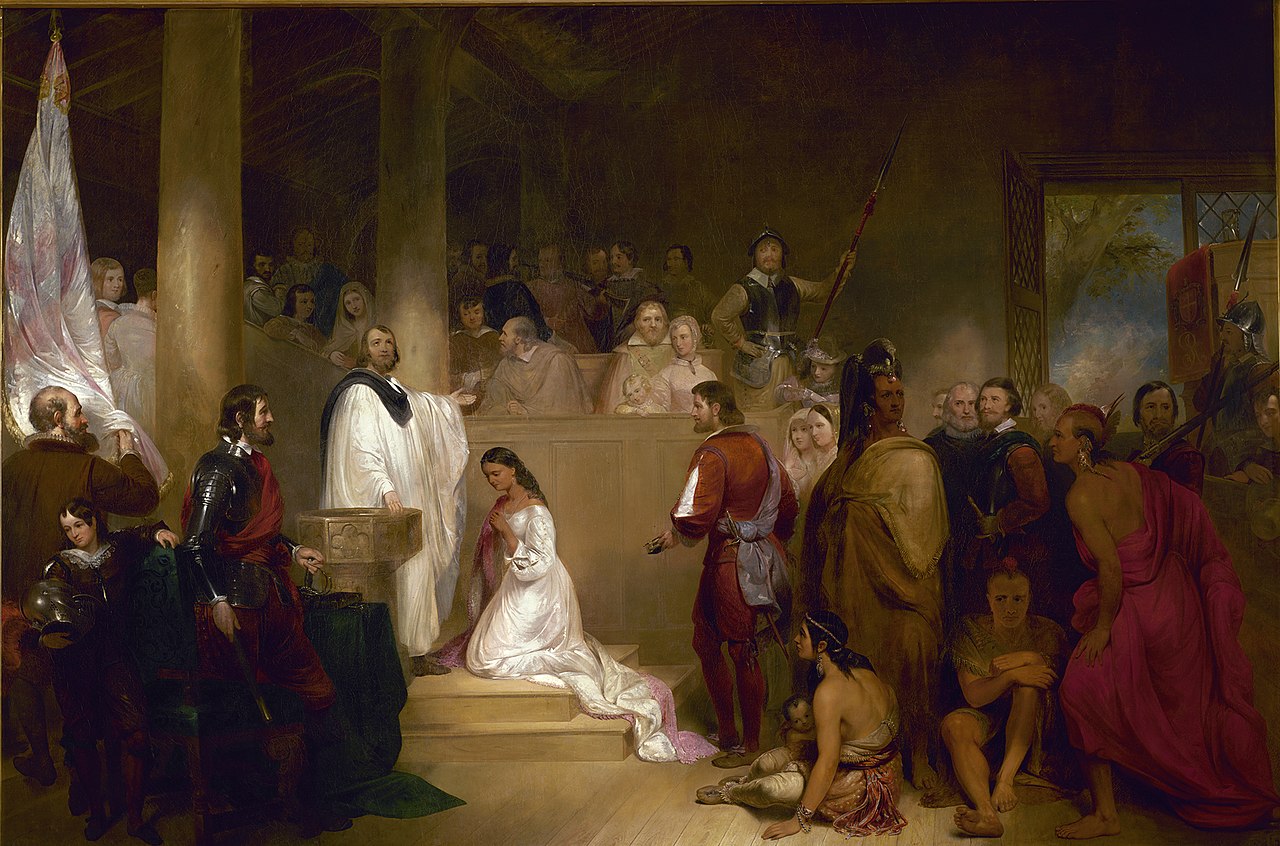







Science and ideas
One of the most enduring intellectual landmarks of 1614 was the publication of John Napier’s work on logarithms. Napier’s introduction of logarithmic calculation transformed arithmetic and navigation by simplifying large multiplications and divisions and helped accelerate developments in astronomy, engineering and commerce throughout the 17th century.
Political and military events
In England, the national parliament summoned by King James I in 1614 earned the nickname the "Addled Parliament" because it sat only briefly and passed no legislation; its failure illustrated growing tensions between crown and representative institutions that would intensify later in the century. In France, the Estates-General met in 1614 — the next time it would convene nationally would not be until the eve of the French Revolution.
In Japan, the Tokugawa shogunate moved to eliminate a lingering rival power base: the winter campaign of the Siege of Osaka began in 1614, a major military confrontation between Tokugawa Ieyasu and the Toyotomi clan which would conclude the following year and consolidate Tokugawa control.
Colonial encounters and cultural notes
Across the Atlantic, the English colony at Jamestown and surrounding settlements continued to develop. In 1614 a notable personal and political event was the marriage of Pocahontas, a Native American woman associated with early Virginia colonists, to the English planter John Rolfe; the marriage has been remembered as a moment of uneasy cross-cultural contact during the early decades of English colonization.
Institutions and legacy
Also in 1614 the University of Groningen was founded in the Dutch Republic, reflecting the Netherlands’ growth as a center of learning, trade and religious pluralism. Taken together, the events of 1614 illustrate a world in which scientific innovation, colonial expansion, administrative struggles and military consolidation advanced in parallel, shaping trajectories that defined much of the 17th century.
Related articles
Author
AlegsaOnline.com 1614 — Key events and global context Leandro Alegsa
URL: https://en.alegsaonline.com/art/111549