
Delaware (U.S. state)
Delaware is a small Mid-Atlantic U.S. state known as the First State for early ratification of the Constitution. Capital: Dover; largest city: Wilmington. Noted for its coastal plain, history, and corporate law.
Delaware is a state in the Mid-Atlantic region of the United States. It is often called the "First State" because it was the first colony to ratify the new U.S. Constitution in 1787. The state's capital is Dover and its largest city is Wilmington. Despite its small land area—it ranks among the smallest U.S. states—Delaware has a mix of coastal plain, small rivers, and suburban and urban zones that link it closely to nearby Pennsylvania, New Jersey and Maryland.

Image gallery
10 Images




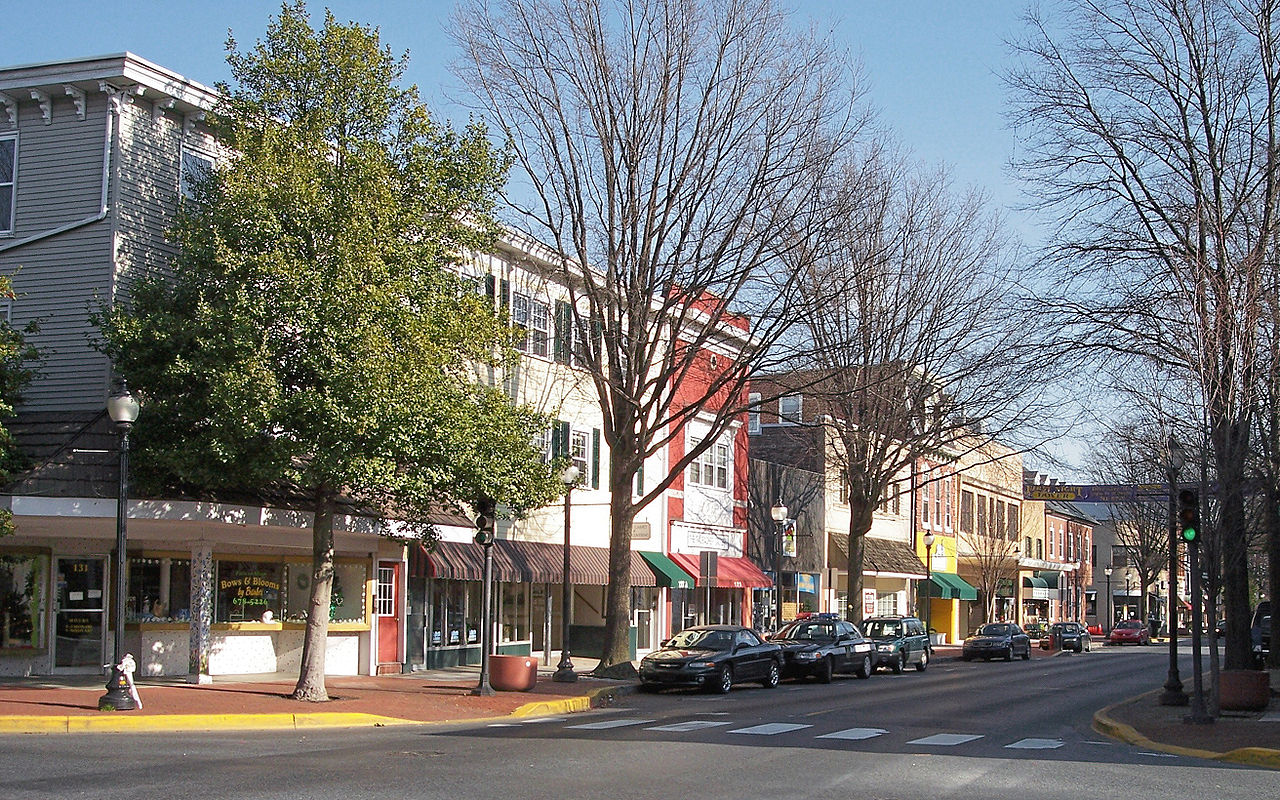

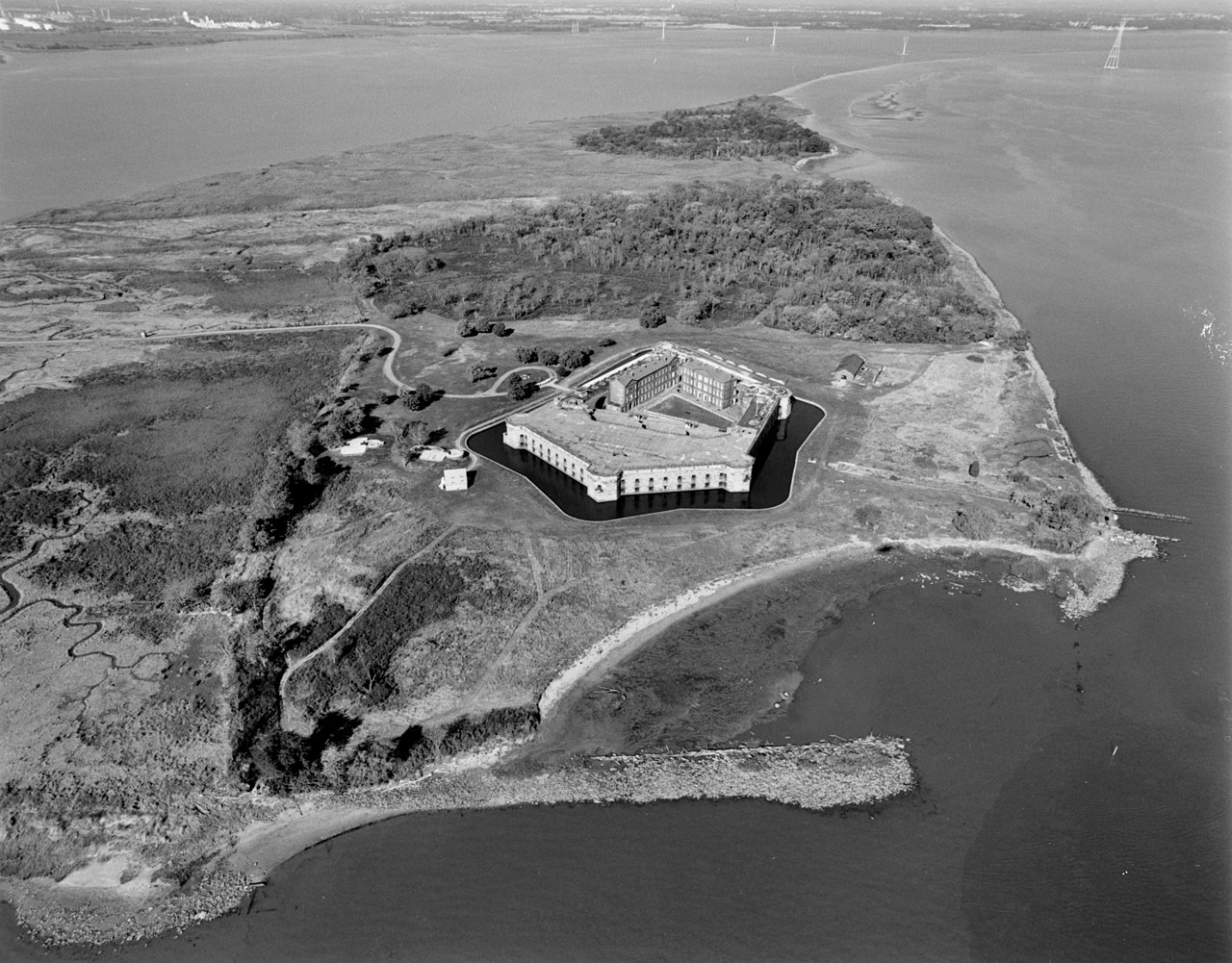

History
The region that became Delaware was home to Indigenous peoples before European contact. In the 17th century it attracted colonial powers: early settlements were established by the Dutch, and not long after the area came under Swedish influence in the mid-1600s. Control later shifted to the English and Delaware developed as part of the English colonies along the Atlantic seaboard. Its early and decisive vote to accept the U.S. Constitution has given the state a symbolic place in American history.
Government, law and economy
Delaware has its own state government with an executive branch led by a governor, a bicameral legislature, and a judiciary. It is widely known for a legal and corporate environment that many businesses find favorable: Delaware's corporate statutes and court system have shaped its economy and national role in corporate registration and governance. At the same time, traditional industries such as agriculture, manufacturing and service sectors remain part of the state's economy.
Geography and communities
Geographically, Delaware features a low-lying coastal plain with beaches, estuaries and inland wetlands. Its population is concentrated around Wilmington and other urban centers in the northern part of the state, while central and southern areas include smaller towns, farmlands and recreational shorelines. The state's compact size makes travel between communities relatively quick and contributes to regional ties with nearby metropolitan areas.
Culture, uses and notable facts
- Nickname: "The First State" for its role in early U.S. history.
- Legal prominence: a popular state of incorporation for many companies due to well-developed corporate law and courts.
- Recreational appeal: coastal beaches and historic towns attract visitors and support local tourism.
Delaware's blend of colonial history, coastal geography and a distinctive legal reputation gives it a profile that is larger than its physical size might suggest. For more on its cities, institutions and cultural sites, see resources about Dover, Wilmington and the state's historical landmarks.
Geography
The state has a total area of 6,447 km², of which 1,387 km² are water bodies. This makes Delaware the second smallest US state in terms of area after Rhode Island. The majority of Delaware's land area lies on the Atlantic coastal plain. The state borders Pennsylvania to the north. The Delaware River and the Atlantic Ocean form the eastern border with New Jersey; the state of Maryland lies to the west and south. The largest city is Wilmington and the capital is Dover. One of the largest American air force bases, Dover Air Force Base, is located near Dover.
See also: Delmarva Peninsula, List of rivers in Delaware and Delaware Bay.
Structure
→ Main article: List of counties in Delaware
Climate
Delaware has a moderate year-round climate with average temperatures in the range of 0 to 24 °C and a statistical 208 days of sunshine. The seasons are distinct, though the climate is influenced by the Atlantic Ocean and is temperate to humid year-round. In summer, temperatures can reach 32 °C; in winter, snow sometimes falls - temperatures can drop to -5 °C.
Related articles
Author
AlegsaOnline.com Delaware (U.S. state) Leandro Alegsa
URL: https://en.alegsaonline.com/art/26374
Sources
- census.gov : "Delaware: Population estimates"
- kff.org : "Median Annual Household Income"
- delawareonline.com : "Delaware's new tourism brand: Endless Discoveries"
- delaware.gov : About Delaware
- census.gov : "Extreme and Mean Elevations by State and Other Area"
- doi.org : 10.1641/0006-3568(2001)051[0933:TEOTWA]2.0.CO;2
- worldcat.org : 0006-3568
- gis.wwfus.org : "Terrestrial Ecoregions of the World: A New Map of Life on Earth"
- delawareonline.com : "Cleaning up contamination"
- legis.delaware.gov : "Mourning Those Lost in the Recent Earthquake and Related Disasters that have Befallen Japan, and Expressing the Thoughts and Prayers of All Delawareans for the Citizens of Our Sister State of Miyagi Prefecture During These Difficult Times"