
Ninji (Japanese era name, 1240–1243)
Ninji (仁治) was a Japanese era name (nengō) from August 1240 to January 1243, spanning the end of Emperor Shijō's reign and the accession of Emperor Go-Saga during the Kamakura period.
Overview
Ninji (仁治), sometimes romanized as "Jinji," is the name of a Japanese era (年号, nengō) that lasted from August 1240 through January 1243. Era names in Japan mark periods for official dating and are typically changed for political, ceremonial, or auspicious reasons. Ninji falls within the broader Kamakura period, when military government institutions exercised much of the country's real power.
Image gallery
2 Images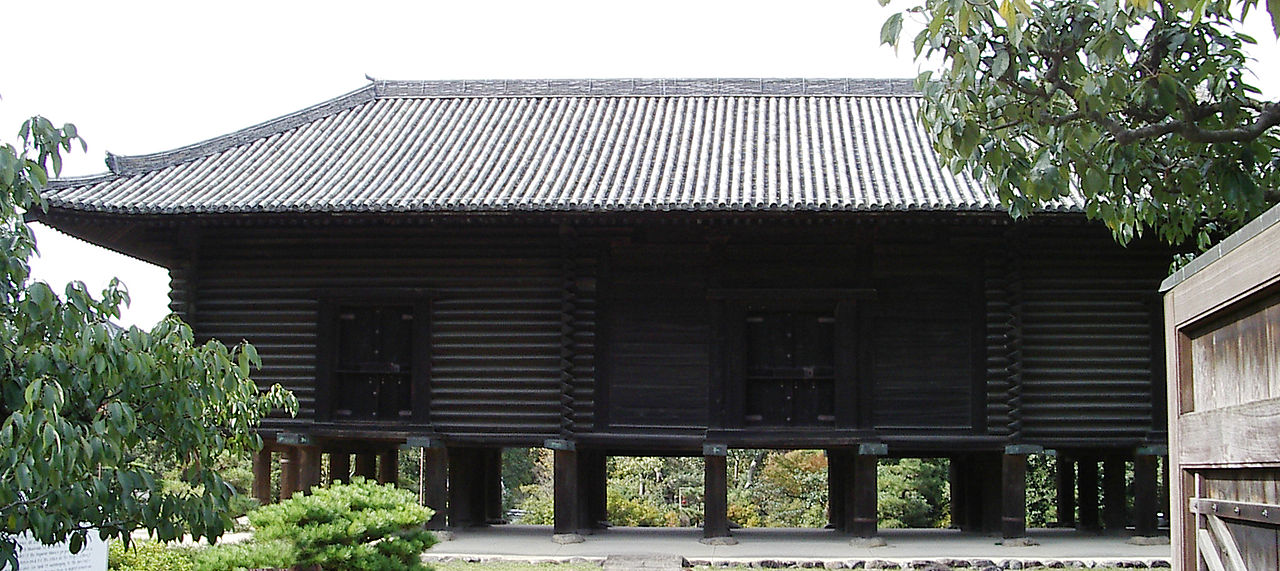

Name and meaning
The two kanji that form Ninji, 仁 (jin or nin) and 治 (ji), carry meanings such as "benevolence" or "humanity" and "rule" or "governance," respectively. Together they evoke the idea of "benevolent governance," a common motif for era names intended to express imperial hopes for stability and good administration.
Historical context
Ninji began after the En'ō era and was succeeded by the Kangen era. The change to Ninji reflected court decisions about dating and nomenclature customary in the period. The era overlapped with continuing developments in the Kamakura shogunate, where the shōgun and the regent families handled much of the day-to-day political and military authority, while the imperial court retained ceremonial and cultural leadership.
Key events and imperial succession
Two emperors are associated with the Ninji era: Emperor Shijō (四条天皇) and his successor, Emperor Go-Saga (後嵯峨天皇). During Ninji the court recorded the transition of imperial authority that accompanied Shijō's death and the accession of Go-Saga. Such successions were important causes for era-name changes and for many court rituals surrounding legitimacy and continuity.
Chronology and notable facts
- Preceded by the En'ō era (En'ō).
- Initiated in August 1240 according to the Japanese lunisolar calendar.
- Ended in January 1243, when the Kangen period began (Kangen).
- Falls within the Kamakura period, an era characterized by dual court-and-shogunate governance.
Importance and legacy
While Ninji was a relatively brief era, it illustrates how Japan's era-name system functioned as a tool of imperial symbolism and chronological organization. Documents, poetry, and official records from the time are dated using nengō, so identifying and understanding eras like Ninji is essential for historians reconstructing political events, court life, and cultural production in 13th-century Japan.
Related articles
Author
AlegsaOnline.com Ninji (Japanese era name, 1240–1243) Leandro Alegsa
URL: https://en.alegsaonline.com/art/70276
Sources
- books.google.com : "Ninji"
- books.google.com : Annales des empereurs du Japon, pp. 242-245;
- books.google.com : p. 244
- kunaicho.go.jp : 四條天皇 (87)
- kunaicho.go.jp : Ceremony of Accession (Sokui-no-Rei)
- books.google.com : p. 245;
- books.google.com : p. 246.
- kunaicho.go.jp : 順徳天皇 (84)