
1674
A summary of the year 1674: political events, colonial conflicts, notable rulers, and cultural and scientific currents in the late 17th century.
1674 (MDCLXXIV) was a common year that, in many European calendars, began on a Monday. The year fell in the midst of the late Baroque era and featured diplomatic settlements, dynastic changes, and ongoing colonial rivalries that reflected the shifting balance of power in Europe and overseas.
Image gallery
5 Images
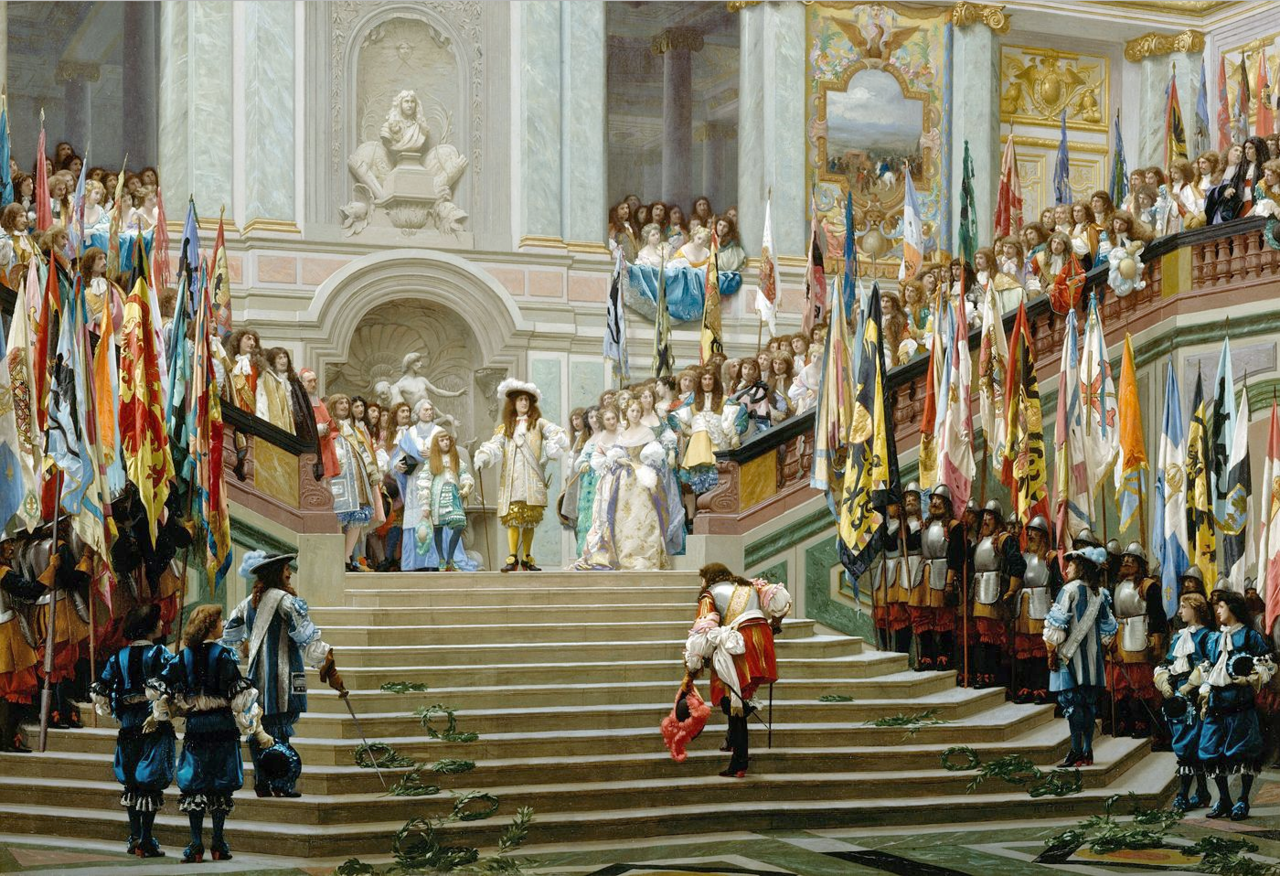


Political and military events
The international landscape of 1674 was marked by the winding down of wartime activity and the reordering of alliances. The Third Anglo-Dutch War drew to a close with agreements between England and the Dutch Republic; those settlements reshaped trade privileges and maritime competition. In Central Europe, the Polish–Lithuanian Commonwealth elected a new monarch, John III Sobieski, who would become an important military and political figure.
Regional developments
1674 also witnessed important events beyond western Europe. In India, the Maratha leader Shivaji was crowned, establishing a formal monarchy that had lasting regional implications. Colonies in North America, the Caribbean and Asia remained focal points of contention among European powers as commercial rivalries continued to drive exploration, settlement, and occasional conflict.
Culture, science and society
The year falls within a period of intense cultural activity: Baroque art and architecture flourished, and courts across Europe patronized music, theater and poetry. Scientific inquiry advanced through the efforts of observers and experimenters who expanded natural history and microscopy; these decades saw growing communication of observations through learned societies and correspondence.
Notable facts and legacy
- Diplomatic settlements of 1674 helped reconfigure maritime trade and colonial claims between rival states.
- Monarchical change in Poland and Shivaji's coronation in India were significant for regional politics.
- The broader trends of the 1670s — consolidation of centralized states, colonial expansion, and cultural patronage — continued to shape later eighteenth-century developments.
While not every event of 1674 is captured here, the year is representative of the wider political realignments and cultural currents of late 17th-century Europe and its overseas empires.
Related articles
Author
AlegsaOnline.com 1674 Leandro Alegsa
URL: https://en.alegsaonline.com/art/111610