
Boat: Types, Design, History and Uses
A boat is a small waterborne vehicle used for transport, work, sport and recreation. This article outlines common designs, materials, propulsion, history and the main uses and distinctions of boats.
Overview
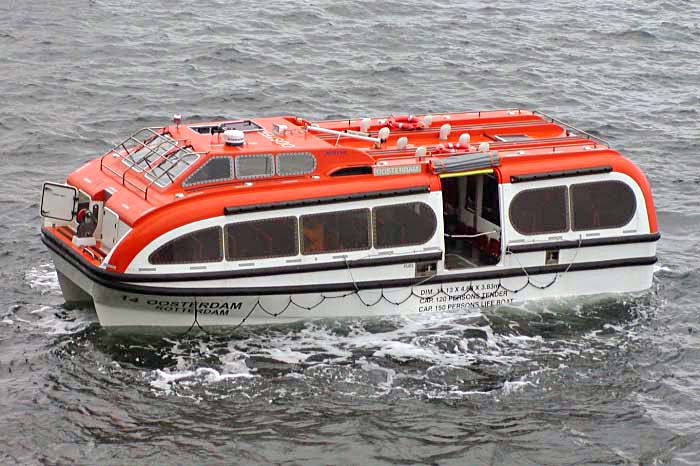
A boat is a watercraft designed to travel on or near the surface of water. In general usage a boat is smaller than a ship and may be carried aboard a larger vessel as a tender or lifeboat. As a broad category it includes craft propelled by human power, wind, engines, or combinations of these, and it ranges from simple dugouts and canoes to modern pleasure craft and commercial workboats. The word is also used in many idioms and legal definitions related to navigation and ownership.
Image gallery
10 Images




Design, structure and materials
Boats share basic structural elements such as a hull to displace water, a deck or open cockpit, and steering and propulsion arrangements. Common hull features include keels or skegs for tracking, rudders for steering, and cabins or shelters on larger small craft. Materials used to build boats have evolved from traditional timber to metals and advanced composites: many boats are still built of wood, while others use steel or aluminium. Recreational and high-performance craft often employ fiberglass or modern composite materials to reduce weight and maintenance.
Propulsion and common types
Propulsion methods define many boat types. Some rely on sails and wind power as traditional sailing vessels, others are rowed using oars, and many modern boats use internal combustion or electric motors. Historical and early industrial craft used steam propulsion; such craft are known as steamboats. Specialized designs include fishing boats, tugboats, motorboats, yachts, kayaks, canoes, and small ferries. Submersible craft that operate below the surface are usually called submarines and are treated separately from surface boats.
History and development
Humans have used watercraft for transport, fishing and trade for millennia. Archaeological finds and coastal settlements indicate that people built simple boats and canoes in the prehistoric period to move across rivers, lakes and short sea crossings. Boat technology developed independently in many regions, leading to diverse forms adapted to local waters and uses. Over time, sailing rigs, hull shapes and propulsion systems evolved alongside materials and navigation techniques.
Uses and importance
Boats serve a wide range of practical and cultural roles. They are vital for commercial fishing and small-scale transport, used by navies and coast guards for security and rescue, and popular for recreation, sport and tourism. Rivers and canals rely on specific craft: for example a narrowboat is a long, slim craft built for canal use and is often referred to as a barge in some regions. Boats can be equipped for research, diving support, surveying, or as platforms for leisure activities.
Distinctions, safety and environmental notes
Distinguishing a boat from a ship is partly a matter of size and function: ships typically operate on the high seas, carry larger loads and are not easily lifted out of the water. Safety on boats involves flotation, proper maintenance, lifejackets, and awareness of weather and navigation rules. Environmental concerns include fuel emissions, waste, and impacts on marine habitats; modern designs and regulations aim to reduce these effects.
Notable facts and language
Terminology around boats varies by region and purpose, and some historical uses of the word appear in literature and law. The concept of a small waterborne vehicle for travel on water is universal, but classifications differ by jurisdiction and maritime tradition. For further reading on specific boat types, construction and navigation practices, consult specialized sources and manuals suitable for the craft and waters you plan to use.
ship | sails | oars | steamboat | wood | steel | aluminium | fiberglass | composite materials | canals | barge
Related articles
Author
AlegsaOnline.com Boat: Types, Design, History and Uses Leandro Alegsa
URL: https://en.alegsaonline.com/art/12459
Sources
- amazon.com : The last Stone Age Hunters of the British Isles