
Uniform (clothing indicating membership, role and function)
Clothing worn by members of an organization to signal membership, role, rank or purpose. Covers characteristics, settings (schools, military, workplaces), history, uses, and social and practical effects.
Overview
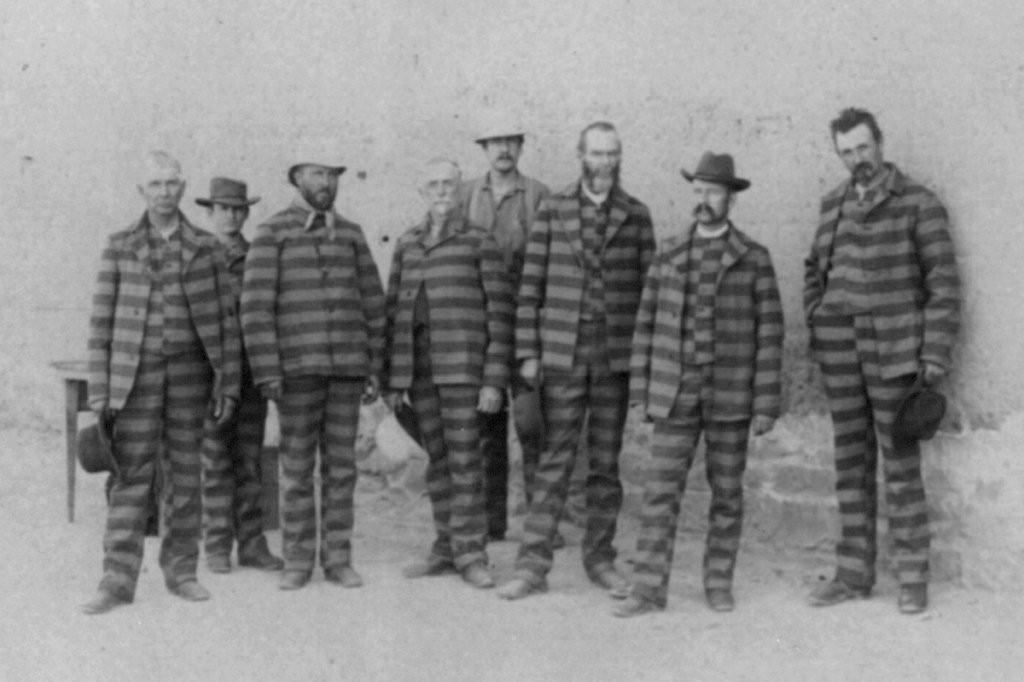
A uniform is a set of clothing that identifies members of a group by giving them a common appearance. Uniforms serve to make membership visible, to communicate role or rank, and to provide practical protection or convenience. In public-facing workplaces such as a department store, a customer can usually find a member of staff by their uniform. The term is also commonly used in educational contexts such as a school to describe a prescribed outfit for pupils.
Image gallery
10 Images





Characteristics and components
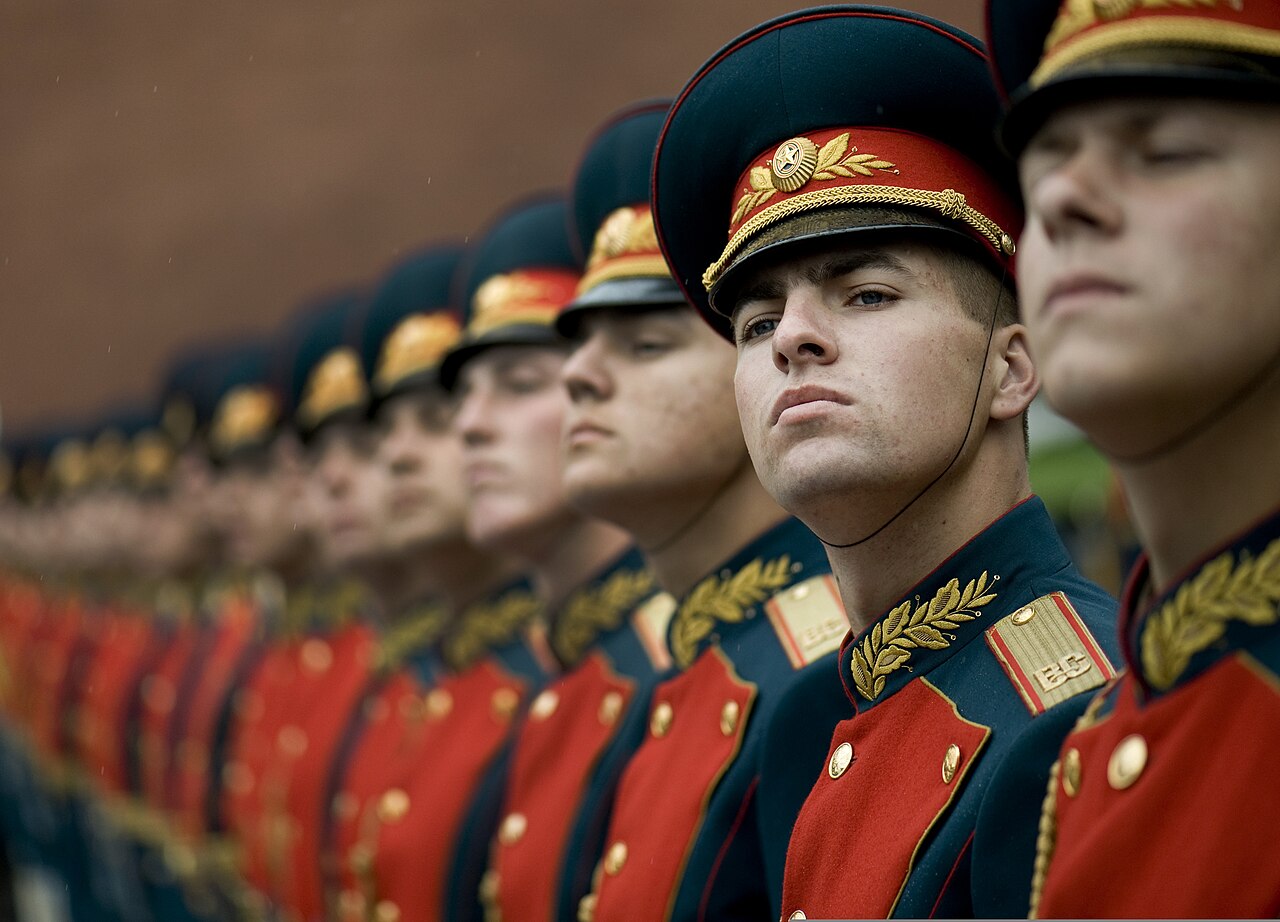
Uniforms range from a simple logo-bearing shirt to a full outfit that includes specialised footwear, headwear and insignia. Typical features include consistent colors, a crest or badge and standard cuts that distinguish the group. In organizations like the army, individual soldiers wear uniforms with additional elements such as badges and rank marks to convey authority and role. In hospital wards, nurses and other clinical staff wear standard garments suited to hygiene and identification; these are widely seen in hospitals.
History and development
Uniforms have existed in some form for centuries. Military outfits and court liveries were early, highly regulated examples that signified allegiance and status. Over time, the practice spread into civil life: from municipal services and trades to modern corporate branding. Cultural adoption differs by country; for example, school uniforms are common in places such as India, Japan, China, Korea, Australia and the United Kingdom, reflecting local traditions and educational policies.
Settings and practical uses
Beyond schools and the military, uniforms appear across many sectors. Service and hospitality workers, including domestic workers, may wear standardized clothing to signal role; employers and managers (employers) sometimes require such dress to present a consistent brand. High-end establishments often use livery—distinctive, formal garments for porters and doormen—at luxury hotels. Uniforms can also embed safety features: high-visibility colors for construction, flame-resistant fabrics for industrial work, or antimicrobial materials in healthcare.
Schools, policy and appearance
School uniforms typically include specific items bearing the institution’s emblem or colors. In many public or state schools, students may wear simple garments such as polo shirts with a school logo, while other institutions—especially private schools—often adopt more formal attire. Some schools require blazers, ties and particular trousers or skirts; others insist on a prominent school colour to maintain unity. Uniform rules vary widely and are shaped by social expectations, climate and administrative policy.
Social effects, debate and distinctions
Supporters argue uniforms foster group identity, reduce visible economic differences, simplify dressing and improve safety. Critics raise concerns about individual expression and the cost burden for families. Distinctions are useful: a uniform is not merely a dress code—its purpose is to create a recognisable collective image and often to reduce ambiguity about authority or function. Practical design, regulation and symbolic meaning combine to make uniforms an enduring feature of many institutions.
Related articles
Author
AlegsaOnline.com Uniform (clothing indicating membership, role and function) Leandro Alegsa
URL: https://en.alegsaonline.com/art/102864