
Special forces (special operations forces)
Elite military units trained for unconventional, high-risk missions behind enemy lines; known for rigorous selection, specialized skills and covert operations.
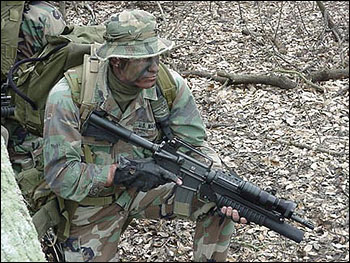
Special forces, also called special operations forces, are highly trained military units organized to conduct operations that differ from routine combat tasks. These units are tailored to perform precise, often covert or deniable missions that require advanced skills, adaptability and initiative. Special forces operate at tactical, operational and strategic levels and are distinct from conventional forces in mission type, training intensity and force size. They are sometimes referenced alongside other military units but remain a separate category because of their role and methods.
Image gallery
10 Images



Characteristics and capabilities
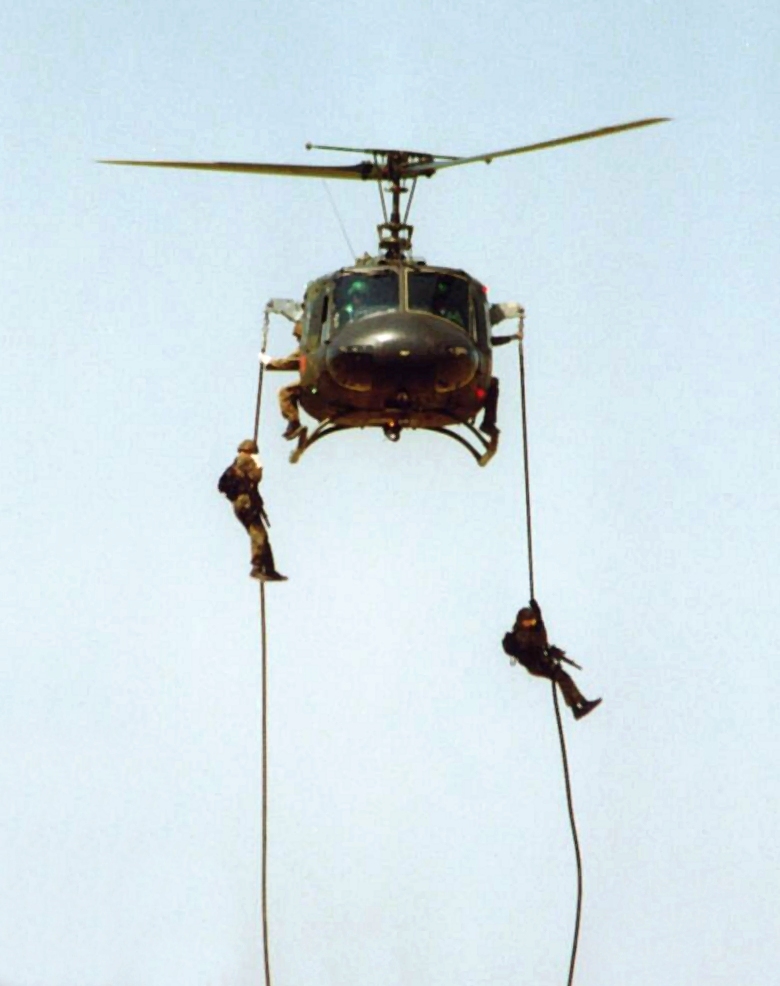
Special forces are typically characterized by small-team tactics, cross-training in multiple disciplines, and the ability to deploy rapidly into austere environments. Common capabilities include reconnaissance, direct action (raids and assaults), unconventional warfare (support for resistance and insurgency), personnel recovery, counterterrorism, and training and advising partner forces. Equipment and logistics are often specialized to support long-range penetration, stealth movement and precision engagement.
History and development
The concept of small, highly skilled units performing irregular tasks dates back centuries, but modern special operations expanded notably during the 20th century. World War II and subsequent conflicts demonstrated the value of reconnaissance parties, commando raids and partisan support, leading nations to institutionalize specialized formations. During the Cold War and later, many countries formalized doctrine, created dedicated commands and developed techniques for clandestine insertion, intelligence-driven targeting and coalition operations.
Selection and training
Selection for special forces emphasizes physical endurance, mental resilience, decision-making under stress and technical proficiencies such as parachuting, diving, demolition, communications and medical care. Training cycles are lengthy and iterative, combining survival, language and cultural training with mission rehearsal. Attrition rates during selection are high; only a fraction of applicants complete qualification.
Typical missions and organization
- Reconnaissance and surveillance deep behind enemy lines
- Targeted raids and assaults against high-value objectives
- Counterterrorism and hostage rescue
- Unconventional warfare and support to allied irregular forces
- Training, advising and capacity-building for partner militaries
Special forces are often grouped into regiments, brigades or commands and may operate under national special operations commands for coordination. Their legal authorities, oversight and rules of engagement can differ from conventional units to account for the political sensitivity and secrecy of many missions.
Distinctions and notable facts
Unlike elite conventional units, special forces focus on a wider range of non-linear tasks rather than purely massed combat. Their success depends heavily on intelligence, interoperability with other services and discretion. While celebrated for effectiveness, special operations raise ethical and legal considerations because of covert activity, use of force in foreign territories and the potential strategic consequences of clandestine actions.
Questions and answers
Q: What are special forces?
A: Special forces are military units that are trained to perform unconventional, difficult, and high-risk missions.
Q: How are special forces different from other military units?
A: Special forces are highly trained and are considered the most valuable units in the world. They specialize in difficult and high-risk missions that require unconventional warfare.
Q: Why are there not many special forces units?
A: There are not many special forces units because of the hard training and high risk involved in their missions.
Q: What types of missions are special forces trained to perform?
A: Special forces are trained to perform unconventional, difficult, and high-risk missions that other military units are not equipped to handle. They are often used to operate deep behind enemy lines.
Q: How are special forces used in times of war?
A: Special forces are often used for unconventional warfare in times of war. They can perform missions that other military units cannot and operate deep behind enemy lines.
Q: Why are special forces considered the most valuable units in the world?
A: Special forces are considered the most valuable units in the world because of their highly specialized training and ability to perform difficult and high-risk missions that other military units cannot.
Q: What is unconventional warfare?
A: Unconventional warfare is a type of military strategy that involves using tactics that are not commonly used by other military units. Special forces are often used for unconventional warfare.
Related articles
Author
AlegsaOnline.com Special forces (special operations forces) Leandro Alegsa
URL: https://en.alegsaonline.com/art/92559